
Before winter arrives, you can always take advantage of the month of November to plant certain plants in your ornamental garden. In fact, despite the temperature drops and gray weather in November, it’s possible to bring some color to brighten up your garden, and some plants thrive well in the fall.
Despite the autumn chill of November, you can decorate your garden by growing flowering plants and ornamental shrubs. Here’s a list of 10 plants to plant in your garden in November to bloom.
What are the 10 plants to grow in the garden in November?
These 10 plants can be planted in your ornamental garden during this month of November.
- Plant daffodils in autumn.
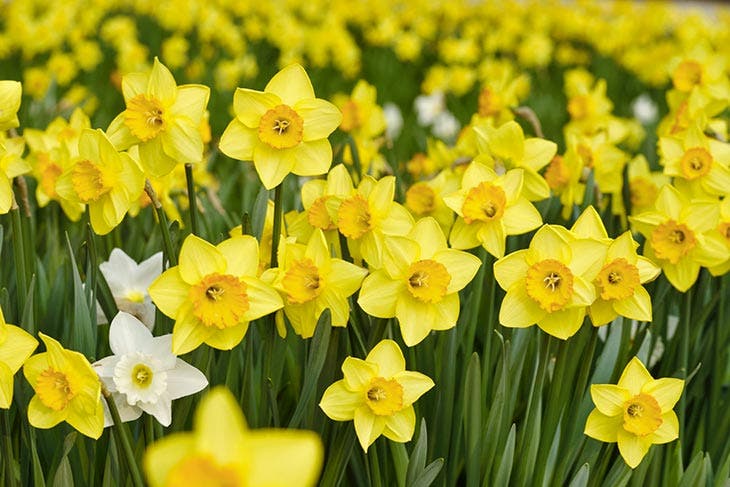
Daffodil. Source: SPM
Native to Western Europe, daffodil is a bulbous, hardy flowering plant. This easy-care plant is characterized by a short flowering period, lasting only 15 days. The daffodil likes cool, clayey soils. Make sure the soil is well-drained to prevent water stagnation around the bulb. Also, keep a 5 cm gap between the bulbs. Planting in the ground takes place in autumn, and lasts until November .
- Plant garden primrose
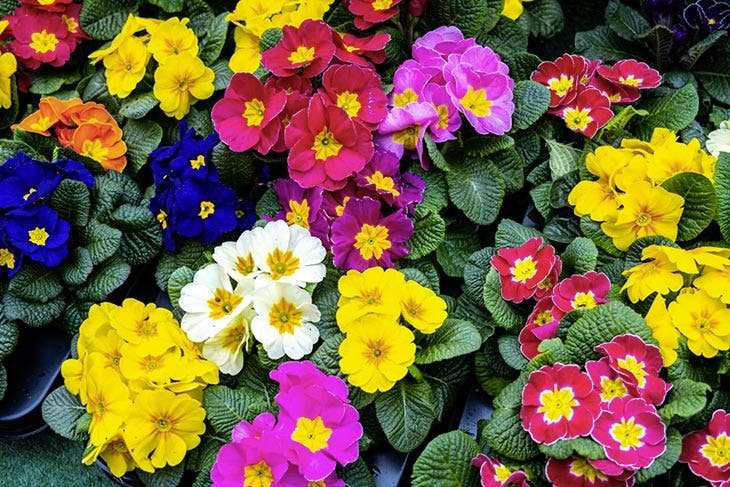
Garden primroses. Source: SPM
Garden primrose is a hardy perennial that is easy to grow in the garden. The primrose likes drained, fresh and humus-rich soils, i.e. rich in humus. This flowering plant also prefers partial shade. You can plant purchased primroses in pots between early fall and late winter.
- Planting the Polyanthus Primrose
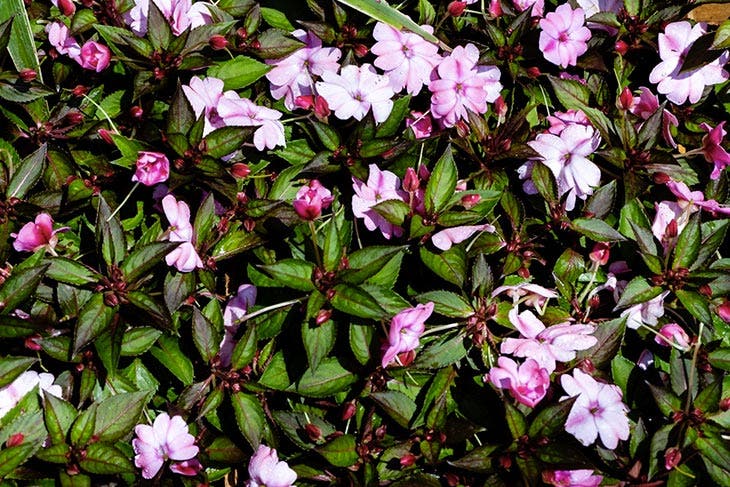
Polyanthus primrose. Source: SPM
The primrose polyanthus is a variety of primroses, resulting from hybridization, that is, the crossing, between the common primrose, whose botanical name is primula vulgaris, and the cuckoo also called primula veris. Polyanthus primroses are hardy flowers. They thrive best in humus-rich, well-drained soil. Be careful not to let the soil dry out and protect your plant from frost.
- Winter honeysuckle plantation
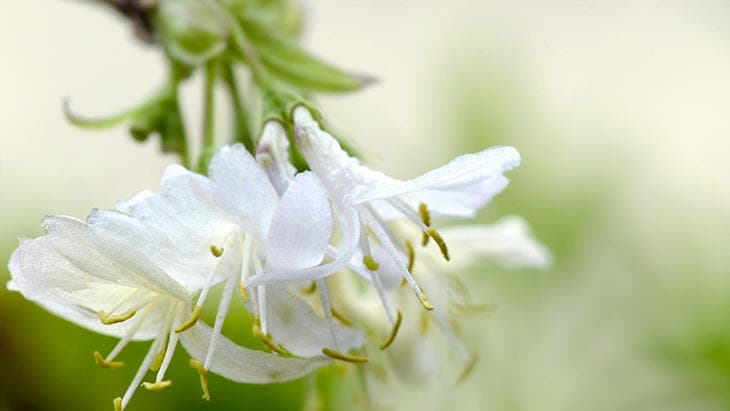
Winter honeysuckle. Source: SPM
Winter honeysuckle is a flowering shrub that is characterized by its smell that perfumes the garden during flowering. This shrub can be placed in partial shade, but sunny exposure will promote abundant flowering. Winter honeysuckle adapts to any soil. Just make sure to work the soil so that it is loose, that is, light, and enrich it with compost.
- Planting the cyclamen coum
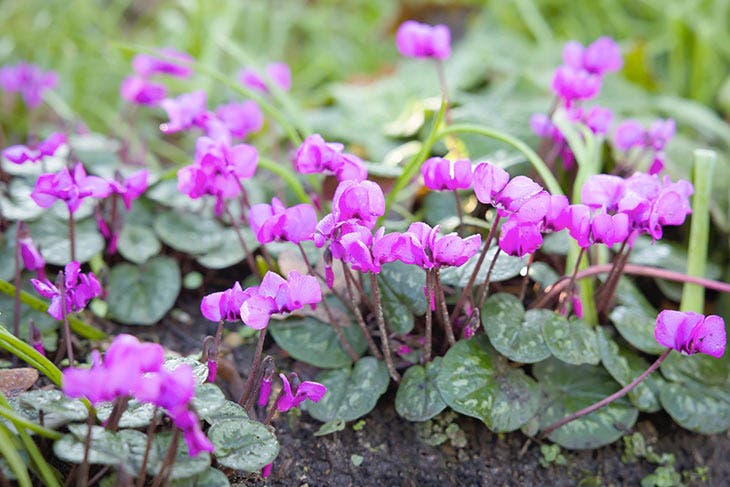
Cyclamen coum. Source: spm
The cyclamen coum or cyclamen of the island of Kos is a very resistant and vigorous variety of cyclamen. In addition, this cyclamen is planted in autumn or winter, in well-drained soil rich in organic matter. If the soil is clay, you can mix it with the sand to promote drainage. Be sure to cover the tubers with 2 to 3 cm of soil.
- Daphne Plant
Nicknamed the pretty wood, daphne is a shrub with waxy, cluster-like flowers that give off a pleasant smell in winter. The most fragrant daphne has the botanical name daphne odora. This shrub likes cool, light soil. Then remember to rinse the soil by mixing it with the sand. You can also cover the ground to keep it moist.
- Planting the Violet
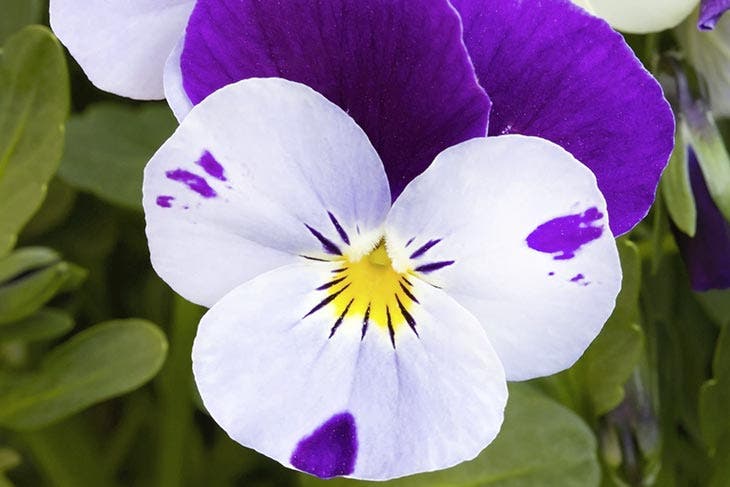
Violet. Source: SPM
Violet is a perennial flowering plant that belongs to the same pansies family, but is hardier than this one. Depending on the variety, the violet blooms in winter or spring. This medicinal and edible plant adorns gardens with its beautiful and varied colors. The horned violet appreciates drained and light soils, as for the fragrant violet, it prefers cool and rich soils.
- Plant the thought
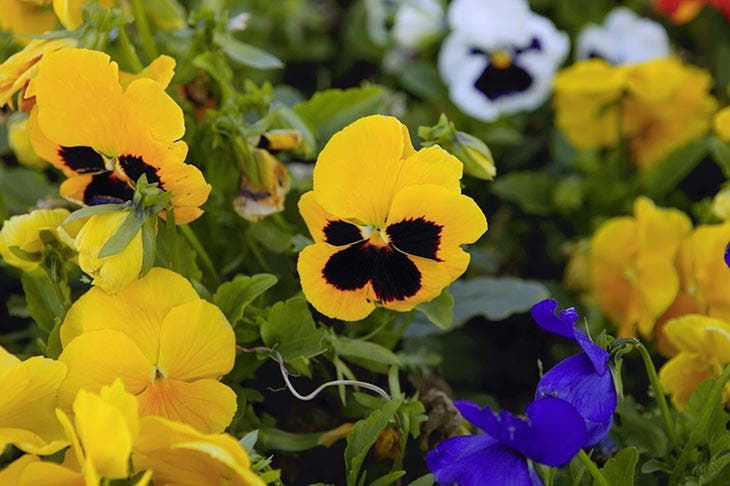
Thought. Source: SPM
Pansy is a quintessential autumn and winter flower. Also called garden violet, this flowering plant requires little maintenance. Plant the pansy in drained, cool, rich soil, and offer it a sunny or semi-shaded exposure.
- Planting the tulip
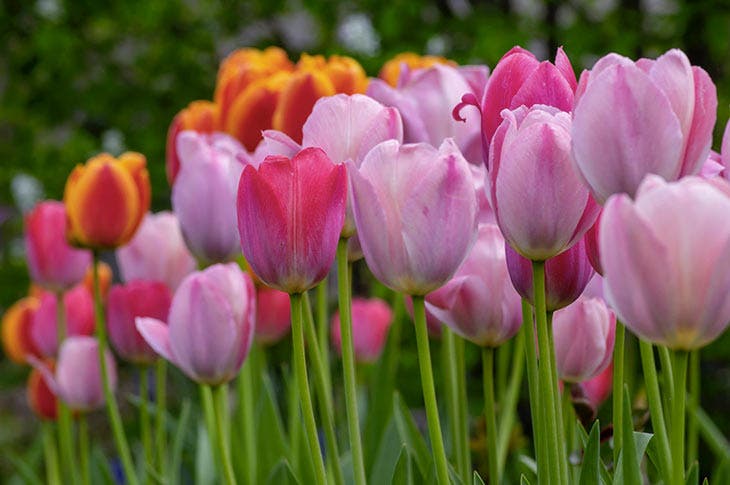
Tulip. Source: SPM
The tulip is a flowering plant, highly appreciated for garden decoration. Its spring bloom offers a varied color palette and diversified shapes. The tulip grows well in drained, light, and aerated soil. Avoid overwatering that can cause your plant to rot. Also plant your plant in a sunny location or in partial shade.
- clematis plant
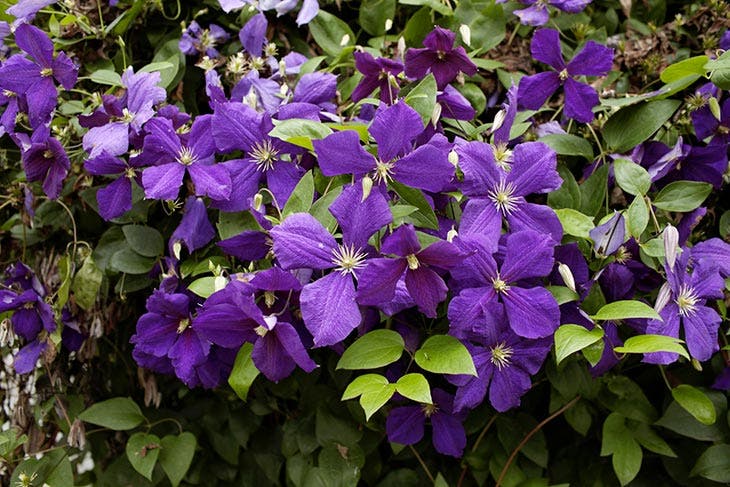
Clematis. Source: SPM
Clematis is a climbing perennial, characterized by abundant flowering that offers small or large flowers of various colors. The ideal time to plant clematis from autumn to spring. However, avoid planting it when it freezes. This flowering shrub prefers cool, well-drained soil. This plant does not like limestone. It prefers a clay-siliceous soil.