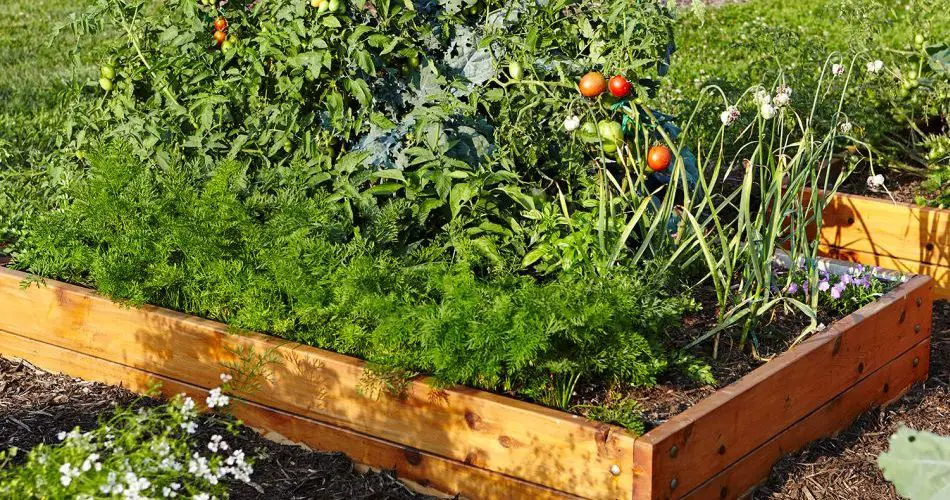
Home horticulture can be a way to save money while getting closer to nature. For example, even a single tomato plant can be very affordable (think $1.5-$5) and provide up to 5 kg of tomatoes during the season (which can easily cost you $20 or more). Growing tomatoes and other vegetables or herbs from seed can save you even more money. You will also find that the taste and texture of the produce from the garden is much better than what you are used to finding in the supermarket. Also, nurturing your garden counts as exercise and being outdoors.
Discover below some tips and tricks to start your first vegetable garden from scratch.
1. Start with a small space
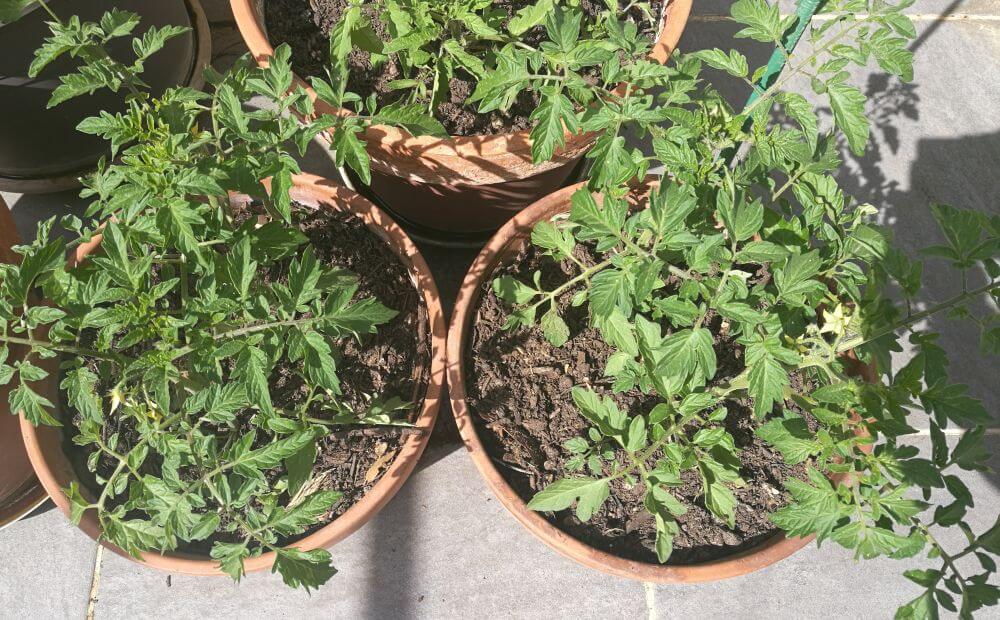
If you’re a beginner gardener, start small. It’s better to be delighted with what you’re producing in a small garden than to be frustrated with the time commitment that a large garden requires. It’s also best to learn some gardening basics before investing tons of time and money into this new hobby. You will get an idea of how long gardening takes. You’ll know this if you enjoy spending time outdoors planting, watering, and weeding. You’ll find out how much produce you and your family can eat in a summer. A good size for a beginner vegetable garden is 2 m by 2 m. Select up to five types of vegetables to grow and plant a few of each type. You’ll have plenty of fresh produce for your summer meals and it’ll be easy to take care of. Growing vegetables in pots or window boxes is also a good way to start. With them you don’t even need a garden, a sunny terrace or balcony works wonders!
2. Grow what you like to eat
What do you like to eat ? Your answer will tell you what to plant in your garden. There are also a few other things to keep in mind when deciding what to grow. Be picky about the varieties and pay close attention to the description on the seed packet or label. Each variety of vegetable has certain characteristics. Some produce smaller plants that are ideal for pots or small gardens. Other varieties have better disease resistance, better yields, or better tolerance to heat or cold.
Start by choosing the vegetables you like to eat, then consider their sizes and care needs. Think about how much food you and your family will eat and how likely you are to freeze or give away excess produce.
Then, be realistic about how many seeds or plants you need to put in the ground. (Many beginners make the mistake of overplanting.) Vegetables like tomatoes, peppers, and squash continue to be provided throughout the season, so you may not need many plants to meet your needs. Other vegetables, such as carrots, radishes, and corn, can only be harvested once and then will need to be replanted.
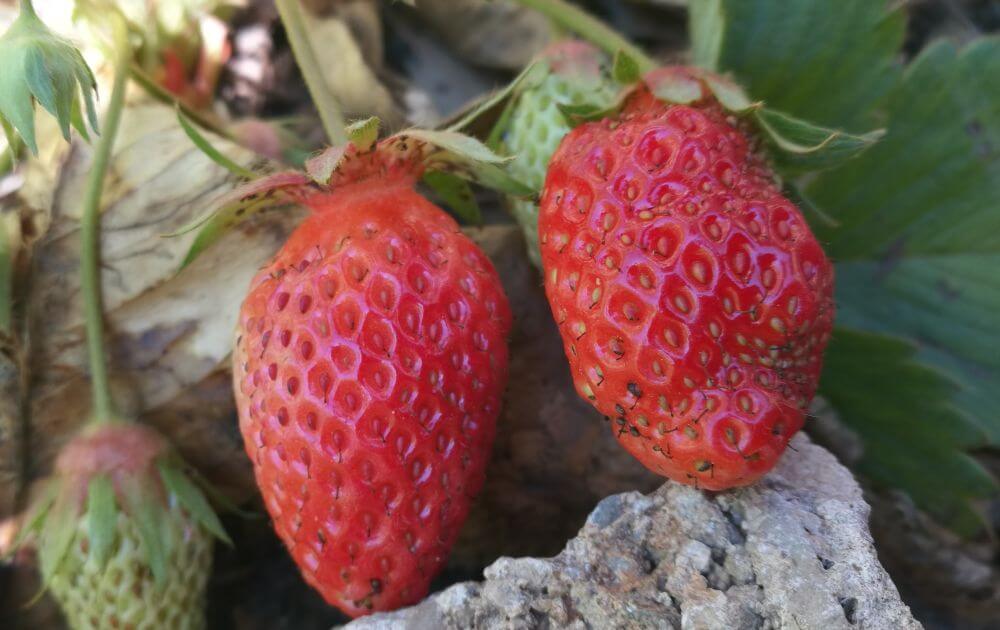
Planting vegetables of various seasons will give you a continuous harvest of vegetables and herbs in spring, summer, and fall. In early spring, grow lettuce, green vegetables (such as arugula), peas, radishes, strawberries, carrots, and broccoli. Once you’ve harvested your cool-weather crops, plant your warm-weather favorites, such as tomatoes, peppers, eggplant, and herbs. In the fall, you can harvest potatoes, cabbage, and kale. Test garden tip: When planting vine crops such as green beans and peas, you use the vertical space in the garden and increase the yield per m².
3. Choose the location of your garden
No matter where you set up your garden or what you decide to plant, there are two basic requirements your location must meet to get good harvests: water and light. Plenty of sunlight is a must for all plants, vegetables need sunlight for photosynthesis. Fast-growing vegetables need full sun (at least 6-8 hours of direct sunlight per day) without obstructions from trees, shrubs, or fences. That’s why you won’t have much success if you plant sun-loving vegetables in shady spaces. If your garden provides partial shade, plant vegetables and herbs that tolerate these conditions, such as lettuce, kale, Swiss chard, spinach, chives, cilantro, parsley, and thyme. Root vegetables like carrots, radishes, and beets can also work if your site gets at least 4 hours of direct sunlight per day. Or if you have a sunny yard, switch to container gardening. This way, you can place sun-loving vegetables and herbs, such as tomatoes, cucumbers, beans, basil, dill, and rosemary, where they go well.
Consider convenient access to water: The closer you can locate your parcel to a water source, the better. You’ll need to be able to water frequently during the first few weeks after seeds germinate or transplant seedlings to help these fragile plants produce strong roots and stems. Once your plants are established, it’s best to give your garden a good watering every few days rather than watering a little every day. The water then sinks deeper into the soil, encouraging the roots to grow deeper, where they can better access the nutrients they need to stay healthy.
4. Plan the layout of your garden
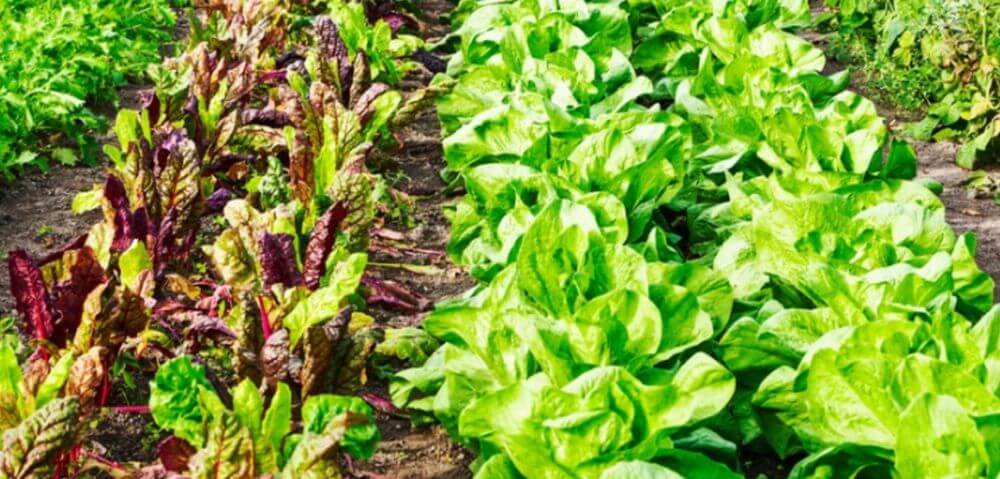
Choose row or intensive cultivation (each has its advantages) when planning your garden design.
Row Growing: Place the plants in individual rows at least 45cm apart so you can easily walk between them. This approach makes the most sense for large orchards because the rows make it easier to use mechanical equipment, such as cultivators, to control weeds. The downside is that trail space reduces the amount of vegetables you can plant.
Intensive Cultivation: Increase your garden’s productivity with intensive cultivation, which means you expect two or three plants together in a bed about 5 feet wide (also known as a wide row). Seeds are sown or seedlings are placed so that their leaves barely touch when ripe. This approach works well for most types of vegetables, except for spooky ones (like cucumbers). The downside to this method is that you have to weed by hand because the plants grow together.
5. Sow and plant in rich soil
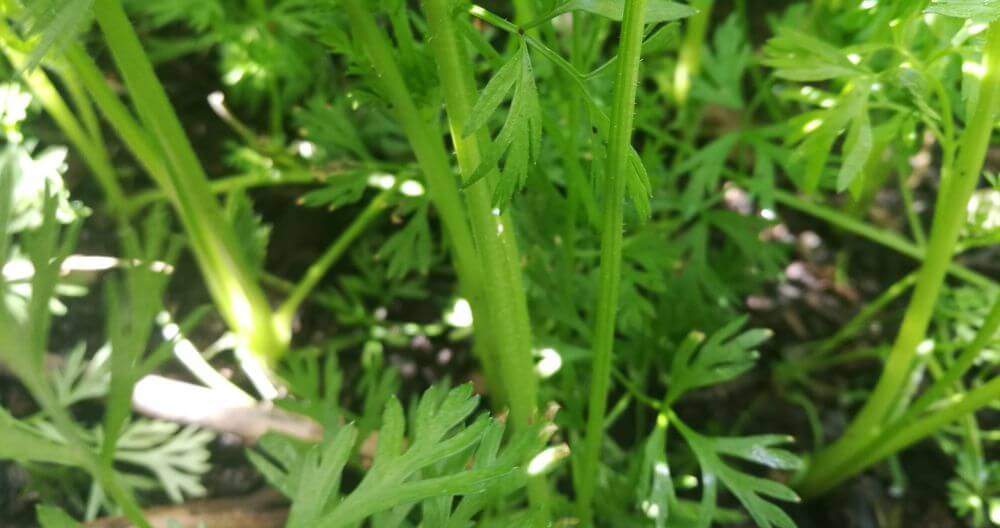
For an optimal harvest, your garden needs the best soil you can give it. Rich, healthy soil is something you recognize when you feel it: it’s easy to dig and drains well. Take the amount of a trowel and put it in your hands. Does it feel gritty? Too much sand. Is it powder? Too much slime. Is it sticky when wet? Too much clay. The combination of these three types, and in what specific proportions, determines the soil texture of your garden. This texture affects drainage and nutrient availability. You want a floor that is dark, brittle and literally full of life. Fortunately, regardless of texture, all soils can be improved over time by incorporating organic matter.
Take, for example, sandy soils. They are made up of large particles, so water and nutrients flow relatively quickly through the gaps. Adding organic matter (usually compost) to sandy soil helps fill in the spaces between the sand particles, which helps retain both moisture and nutrients for plants. Clay soils are the exact opposite. They contain very small, densely packed particles that retain moisture but don’t leave much air space for plant roots. Compost helps separate these tiny clay particles so that water can flow more freely and plant roots can get the necessary oxygen. To prepare your soil for planting, spread the necessary amendments, such as compost, and feed them into the soil with a cultivator or shovel. Avoid walking on freshly plowed soil or you’ll compact it and undo all your hard work. Then rake the surface and water thoroughly. Let the bed sit for several days before planting so that the soil amendments can do their job.
6. Be prepared for pests and diseases and protect pollinators
Some problems require special solutions, but in general, follow these guidelines to keep pests away from your vegetables.
Weeds compete with vegetables for light, water, and nutrients, so it’s important to keep them to a minimum. A mulch of clean straw, compost, or plastic can keep weeds away around larger plants like tomatoes. Use a hoe to discourage weed seedlings from sprouting.
Large pests, such as rabbits and wild boars, can wreak havoc on a vegetable garden. You need a fence high enough to prevent animals from entering the garden. A fence should also extend six inches below the ground to keep rabbits and other burrowing creatures out.
Hand pick up large insects, snails, slugs, and other caterpillars and deposit them outside your yard.
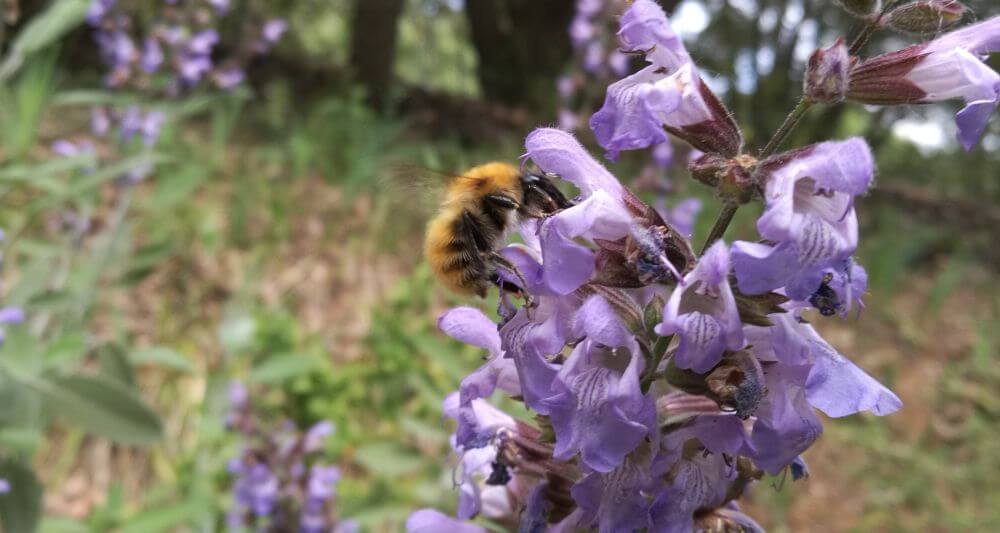
Above all, do not use products that can harm our beloved pollinators (bees, bumblebees, butterflies, etc.) without which you will be able to say goodbye to your fruit! You can even invite them to visit your vegetable garden by offering them beautiful flowers to feed on near your tomato plants.
Reduce the risk of fungal diseases by watering the soil, not the leaves of the plants. If you use a sprinkler, do it early in the day so that the leaves dry out by nightfall. If a plant falls prey to a disease, remove it immediately and throw it in the trash, do not add diseased plants to your compost pile. Other ways to prevent disease include growing varieties of vegetables listed as disease-resistant and changing the location of their plants each year (crop rotation) to prevent disease-causing microbes from increasing their populations.