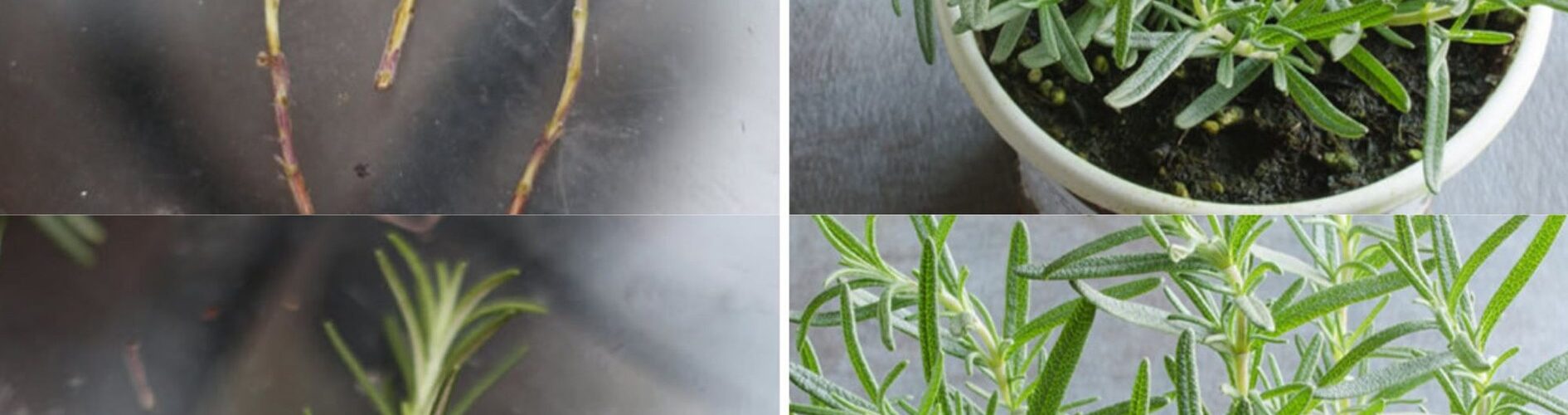
Rosemary is a hardy aromatic plant that is easy to grow. However, there is a trick to have it more abundant and lush. Find out below.
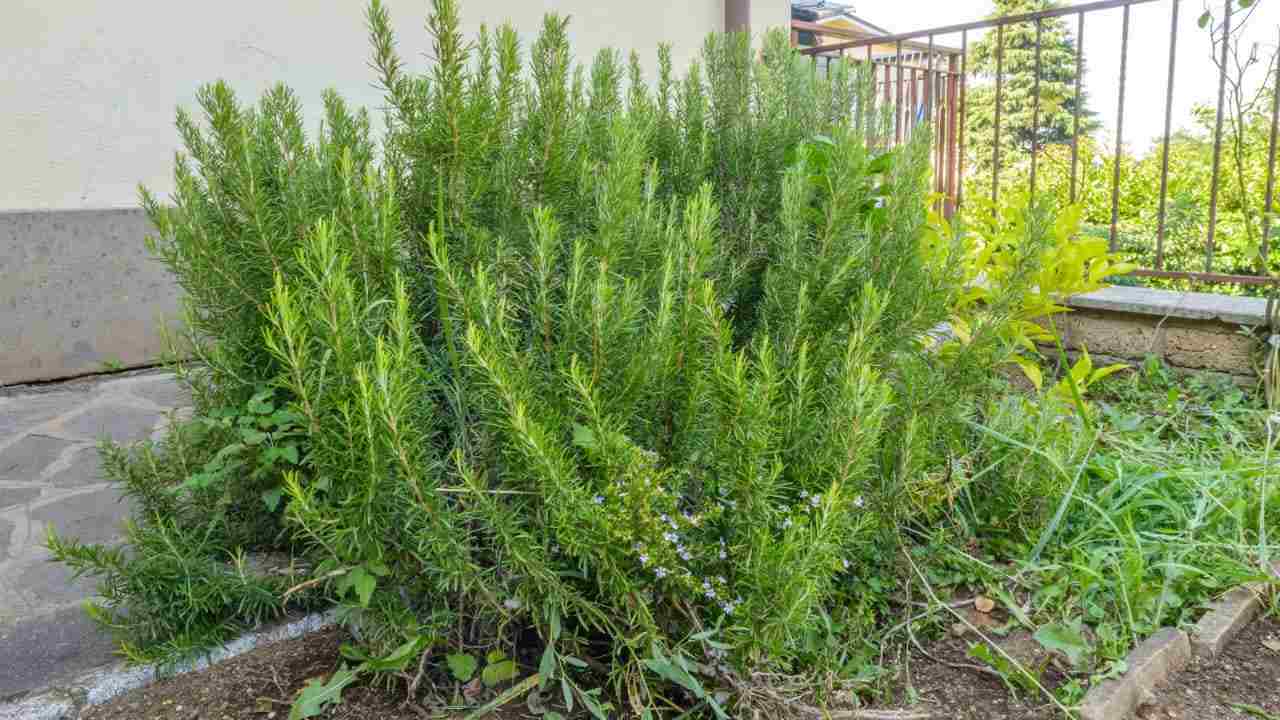
By following the rules gardeners adopt, your rosemary can always be ready to use on your windowsill.
Rosemary: what is it for?
Rosemary has multiple uses and benefits, which is why it is one of the aromatic plants that has the most pots on our balconies, windowsills and terraces. The plant has a long history of culinary and therapeutic use, offering a wide range of health benefits and a delicious aroma.
Rosemary is widely used in cooking for its distinctive aroma and flavor. Its aromatic leaves can be used fresh or dried to flavor a variety of dishes, such as roasted meats, poultry, potatoes, vegetables, breads, and sauces. It adds a touch of freshness and depth to many recipes.
In addition, rosemary essential oil is used in aromatherapy for its stimulating and invigorating effects. It is believed to have properties that improve concentration, relieve stress, reduce mental fatigue, and promote mental clarity.
The pungent smell of rosemary can act as a natural repellent for some insects. You can rub rosemary leaves on their skin or burn some to keep unwanted insects away.
Although it is a fairly simple aromatic plant to grow, gardeners use some important tricks that we are going to reveal below.
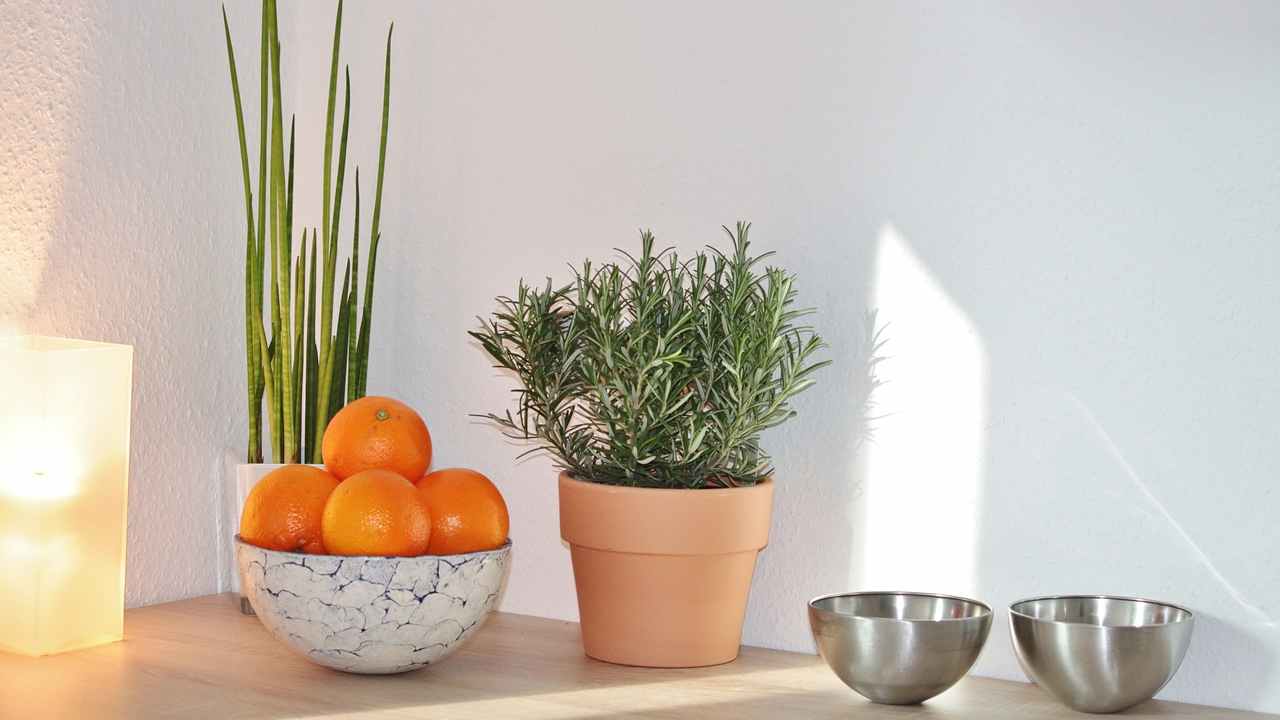
How to grow it
Gardeners’ first secret to having a rosemary plant that is always healthy and lush is represented by the choice of soil. In fact, as soon as you buy the seedling, it should be transplanted and placed in a larger pot, with the right soil. Rosemary thrives in well-drained, sandy soil with a pH between 6 and 8. Make sure the soil has good drainage capacity to prevent water stagnation.
Once this step is completed, the pot should be placed in full sun as it is an aromatic plant that needs at least 6-8 hours of direct sunlight a day to grow healthily.
A no less important factor is irrigation. It is a drought-resistant plant and prefers slightly dry soils. Water the plant moderately only when the soil is dry on the surface. Avoid flooding the soil, as too much water can cause root rot.
To maintain a compact shape and promote growth, pruning is also important. Pruning in spring is especially important to remove dead or damaged parts after winter.
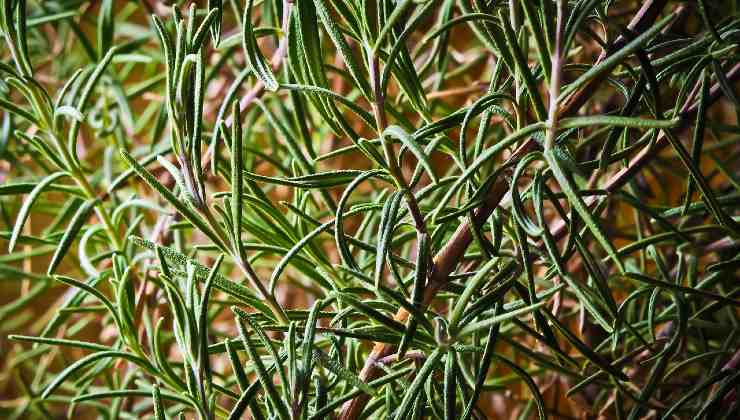
It does not require much fertilization. You can apply a slow-release fertilizer in early spring to provide light nutrition during the growing season.