
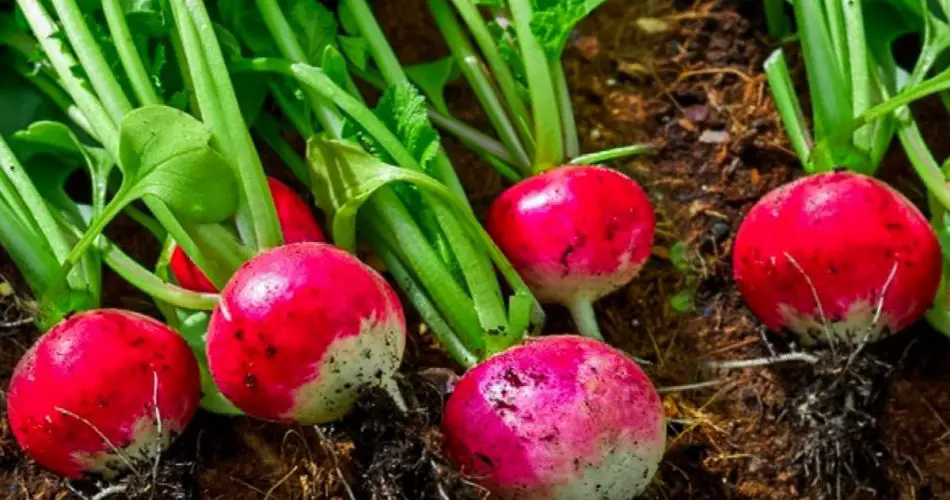
Radishes are one of my favorite vegetable crops and I’m about to plant my third spring planting. All of my plantings have a reasonable chance of success because I am committed to spoiling my radishes with indulgent care, the first secret I must tell you about growing radishes. Just because radishes grow fast doesn’t mean they’re easy to grow or don’t need attention. Discover below the 7 secrets about growing radishes.
1) Radishes don’t grow as fast as they say.
Radishes can ripen very quickly, but not always. Seed companies often promote the first radishes that mature in 23 days, which I’ve never seen in my garden. Catalogs give a more reasonable estimate of four to six weeks, which takes into account periods of slow growth due to cold, cloudy weather. I always count at least six weeks for a good spring radish harvest and ten weeks for autumn-grown radishes.
2) Radishes need space
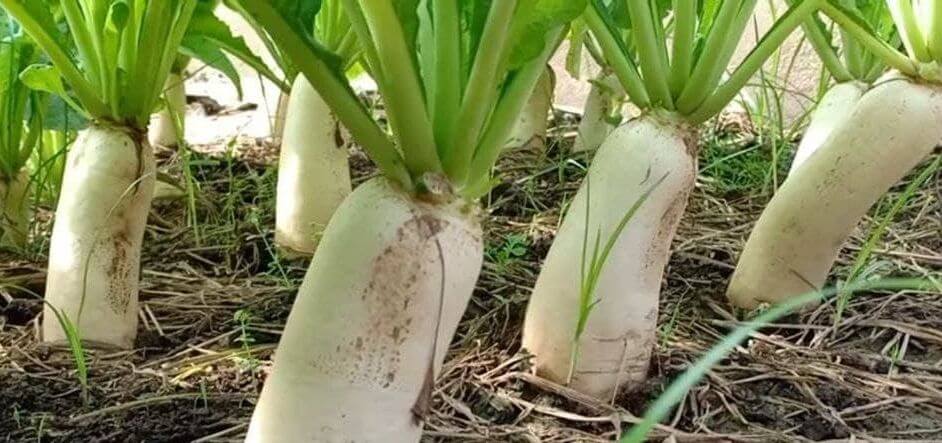
The rapid growth of radishes comes with conditions that include an uncompromising need for space. Seedlings that grow too close together won’t grow, so sow seeds with even spacing or thin soon after they germinate. Small salad radishes will ripen well when spaced 5cm apart, but leave 10cm between large daikons and other large radishes. Keep in mind that radish seed strips can be a great help for spacing and are quick and easy to make.
3) Growth without competition and in good conditions for a successful harvest
Radishes do not tolerate weeds or water stress and should have soil that never dries out. Early-season mulches are prone to slug problems in rainy weather, so careful watering is the only solution when growing radishes. Lettuce has similar needs, so I often grow the two vegetables in adjacent rows.
4) Only certain varieties of radishes grow well in spring
All varieties of radish grow well in fall, but only a few do well in spring. Fast-growing salad radishes in red, bicolor, or pastel are the best choices in spring, but the only Asian radishes I’ve found that grow well from spring planting are Chinese types like ‘Dragon’ (the long red radishes). Beautiful red and green “watermelon” radishes like “Misato Rose” and carrot-shaped daikons are always best in the fall.
5) Pest and disease problems are always just around the corner
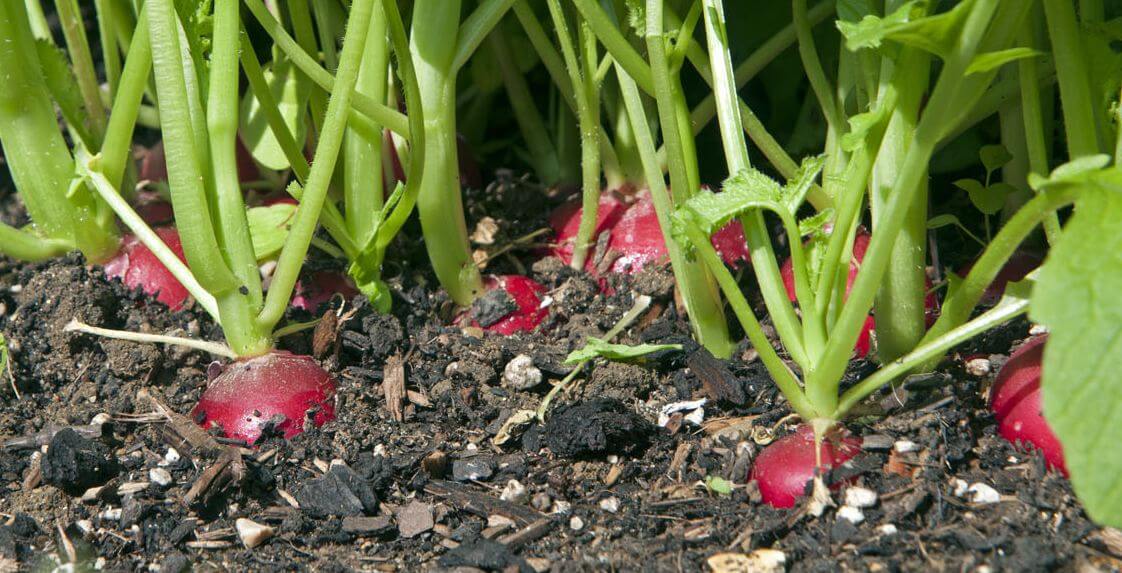
Radishes are not without their problems. Beetles poke tiny holes in leaves, slugs and snails make holes and furrows in perfect roots, and a sudden downpour can pop radishes and cause them to rot. These are just a few of the reasons to quickly harvest radishes that have sprouted from the ground, cut off the tops, and store them in the refrigerator.
6) A quick harvest is essential
Despite claims that some varieties of radish will keep in the garden without spoiling, the truth is that a lot of bad things can happen to radishes that don’t get harvested another day or two. It’s a paradox that while perfect radishes need to be harvested quickly, the cut roots will keep in the refrigerator for months.
7) Radishes are very versatile in the kitchen
Radishes are delicious to eat raw, but they are also a vegetable that is tasty when cooked. It deserves wider use in rotisserie and pots. Radishes are also a great little vegetable for fermentation. When you use salt fermentation methods to pickle small, halved salad radishes, the colors merge to produce a bright pink pickle.
The bottom line is that while growing radishes may be more intensive than many other vegetables, attention to detail will ensure a successful harvest.