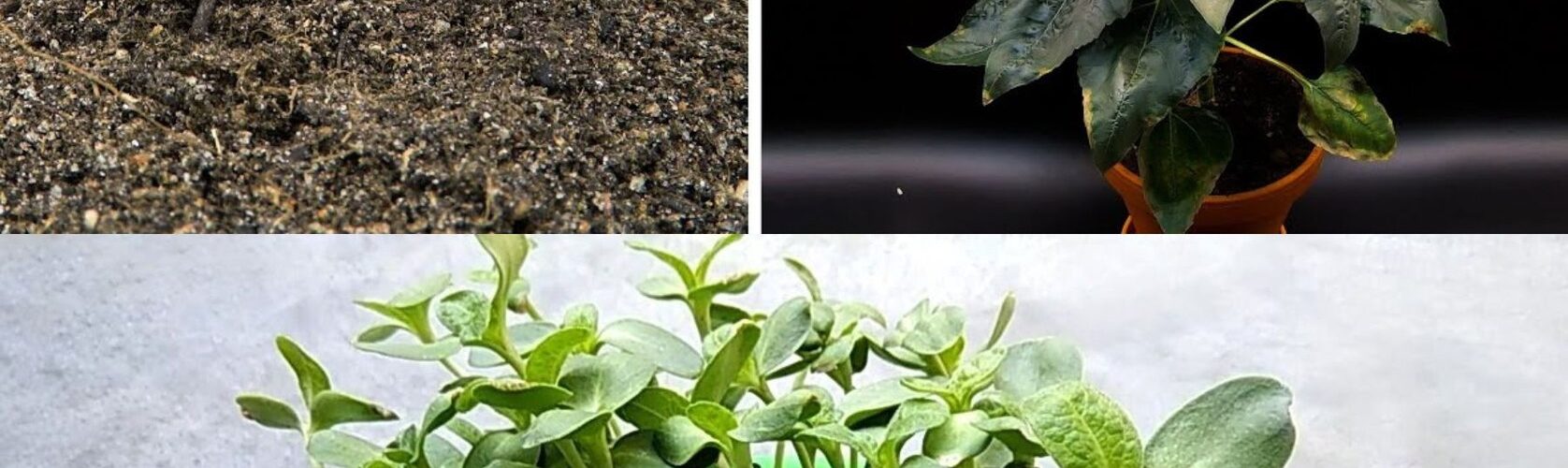

Sunflowers grow best in places with full sun. They are remarkably hardy and grow in any type of soil as long as it is not saturated with water. They work well in slightly acidic to slightly alkaline soil (pH 6.0 to 7.5). Once sunflowers start growing well, they can tolerate drought. They are so easy to grow that they are often planted on their own, with the help of birds.
Sunflower seeds, leaves, and stems emit substances that inhibit the growth of other plants. They should be separated from potatoes and beans. When sunflower seeds are regularly used as bird feed, toxins from the accumulated seed shells eventually kill the grass underneath. Harmless to animals or people, toxins eventually biodegrade in the soil.
Sowing seeds indoors or directly outdoors?
Although sunflowers can be placed indoors in individual pots, it is easier to sow the seeds directly into the ground after all the danger of spring frost has passed. However, when the growing season is short, sunflowers can be safely planted up to 2 weeks before the last spring frost. When growing seasons are long, it’s best to wait until the soil temperature reaches 13°C.
Sow the seeds:
To plant in rows, scatter the seeds about 15 cm apart in a shallow trench between 2 and 5 cm deep. In sandy soil, a depth of 5 cm will be preferable. Cover and water until the seeds sprout for about 7 to 10 days. When the first true leaves (the second set of leaves) appear, transplant the seedlings about 60 cm apart. Depending on the variety, sunflowers mature and develop seeds in 80 to 120 days. Plant a new row every 2 to 3 weeks to enjoy continuous blooms.
Tips for growing your plants:
Sunflower roots spread widely and can withstand a drought. However, it is best to water them regularly during their peak growth period, which is around 20 days before and after flowering. Deep, regular watering helps promote root growth, which is especially helpful for taller sunflower varieties that produce larger flowers, especially in times of high winds.
Sunflowers do not require fertilization. However, because they grow vigorously (they can easily grow up to 5 feet in just 3 months), it’s a good idea to add a slow-acting granular fertilizer if the soil is particularly poor. The better their diet, the bigger the flowers. Don’t overdo it with nitrogen as this will delay flowering. Spreading a layer of mulch is necessary so that organic matter in the soil helps reduce moisture loss through evaporation and discourages weeds.
Watch out for birds and squirrels who love seeds:
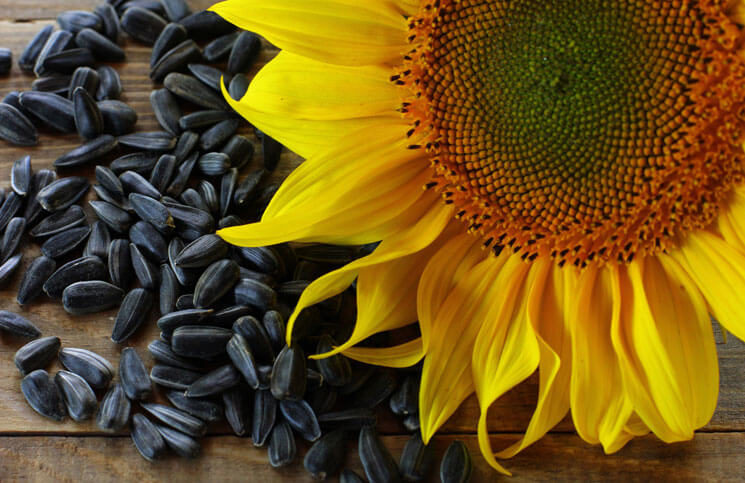
Birds and squirrels can be a problem when seeds mature and harvest time approaches. If you don’t plan on using the seeds, it’s fun to watch wildlife take advantage of nature’s bounty. Cut off the flower heads and put them in the sun to dry and make it easier for wildlife to access. Conversely, to deter birds and squirrels, barrier devices are the most effective. As the seed heads mature and the flowers drop, cover the heads to prevent access. Also try to cut off the few leaves closest to the heads to make it harder for the birds to rest and feed.
Harvesting tips:
In early fall, check the flower heads for signs of maturity. The reverse changes from green to yellow-brown. Large heads will tilt downwards. A close look will reveal that the tiny petals covering the developing seeds have dried out and now fall off easily, exposing the tightly packed ripe seeds.
Sunflower seeds are rich in vitamins, proteins and minerals, as well as linoleic acid that helps the body metabolize fats properly. They contain about 24 to 27 percent protein, just slightly less by weight than ground beef. In addition, sunflower seeds contain about twice as much iron and potassium and about 4 times the phosphorus of beef. Raw sunflower seeds also contain vitamins B and E, and a touch of vitamin A. Sprouts also contain vitamin C.
To toast the seeds and improve their flavor, lightly sauté them in a skillet over medium-high heat for about 10 minutes, or on a baking sheet for about 10 minutes.