Are you looking to loosen ties with your neighborhood grocery store and harvest all of your produce from your own garden? Moving from spring and summer recreational gardening to growing a high percentage of fresh produce for your family year-round requires careful planning, but the end results are well worth the time and effort.
Depending on your family size and the current layout of your vegetable garden, you may need to add more planting opportunities to grow the plants you want to grow. Read on for our tips on garden size, crops to plant, how to make the most of your plot, and how to preserve your extra harvest.
How big should my garden be?
Good question. And the unsatisfactory answer is: it depends…
Generally speaking, 20 m² of garden space per person in your family will allow for a harvest that feeds everyone all year round. So, for an average family of four, plan a garden of 80 m² – a plot of 6 m by 13 m should be enough. If your family is larger (or smaller), increase or decrease as needed.
Some crops take up more space than others, so if you plan to grow Brussels sprouts, asparagus, or tall varieties of melons or squash, leave a few extra square feet.
How much should I plant?
Plant more than your family likes to eat, and don’t be afraid to branch out a bit into more exotic varieties, even if your home includes picky eaters. Making gardening a family affair often convinces the hesitant to try new foods.
Also consider your climate. Most of the time we have mild winters in the south of France, so the garden will produce almost all year round. However, if you live in a part of the country that experiences particularly cold weather, you may not be able to rely on a winter harvest and will instead have to can or freeze some of your late summer harvest. .
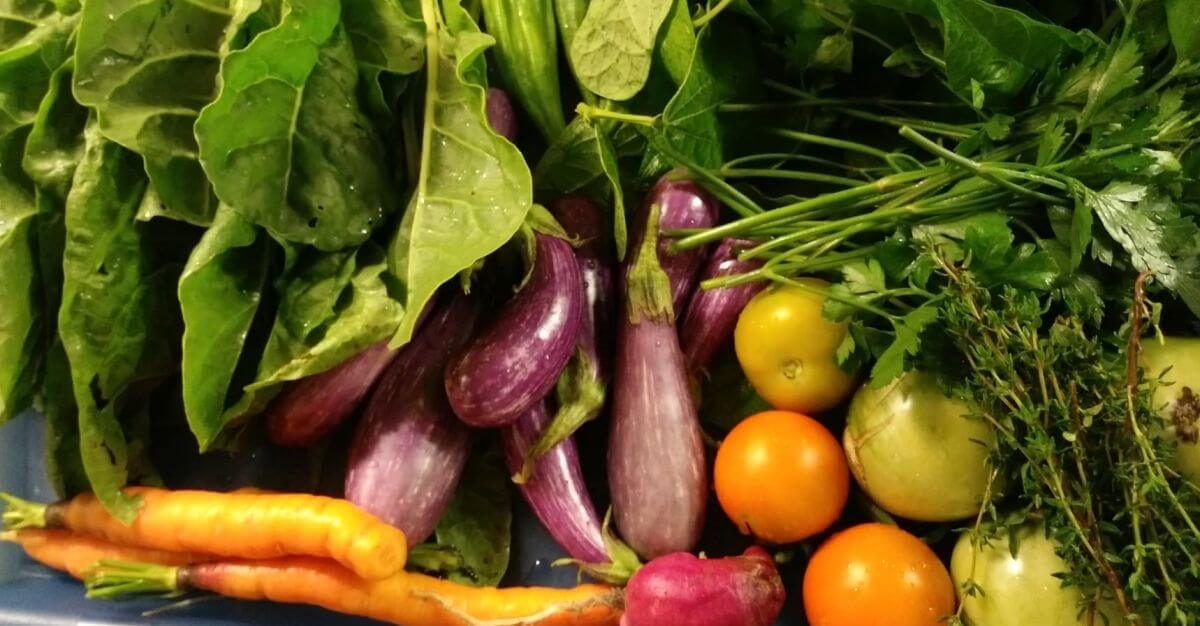
If you plan to save some of your harvest for the winter, add a few extra plants from each crop. Here’s a list of popular vegetables and an estimate of how many plants to plant for a family of four:
- Beetroot – row 6 to 10 m long
- Peppers – 10 to 15 plants
- Broccoli – 12 to 15 plants
- Carrots – row 14 to 5 m long
- Corn – 40 to 50 plants
- Cucumbers – 4 to 6 plants or 2 to 4 vines
- Eggplants – 6 to 8 plants
- Kale – row 5-6 m long
- Lettuce – row 6 to 10 m long
- Melons – 4 to 6 plants
- Potatoes – 40 to 50 plants
- Spinach – row 10 to 12 m long
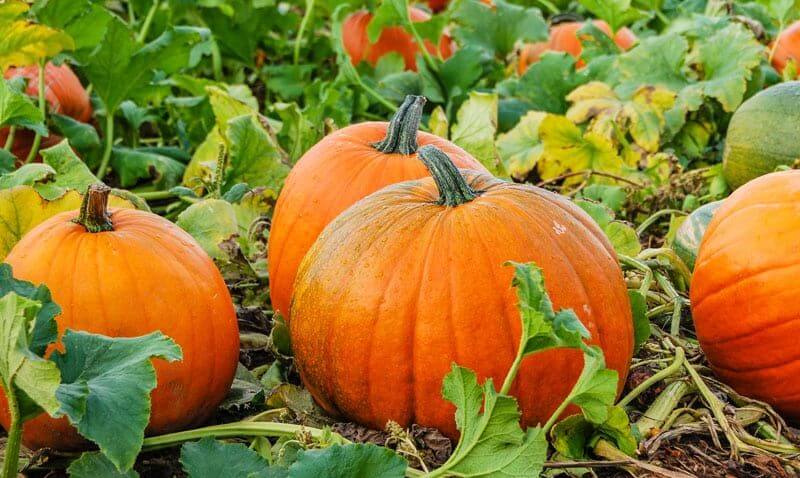
- Pumpkins – 4 to 6 plants
- Tomatoes – 5 to 8 plants
- Zucchini – 4 to 8 plants
How to get the most out of my garden?
Seasonal yield depends on several factors, including seed and soil quality, adequate spacing between plants, proper watering, and climate. You can’t control the weather, but you can take some steps to maximize your garden’s production year-round.
1. Plant over and over again.
As soon as a crop is harvested and no longer produces, take it out of the garden and plant something else in its place. Stagger planting by two to three weeks to extend the harvest and plant different varieties of the same crop that ripen at different times. This is called succession planting. Depending on the length of your growing season, you may need to be strategic about which plants to choose for a second (or even third) planting.
If your second or third planting is at the end of the season, opt for cool-weather crops like leafy greens, broccoli, or root vegetables. Look for varieties that grow quickly or overwinter and produce in early spring (if your weather allows).
2. Try intercropping.
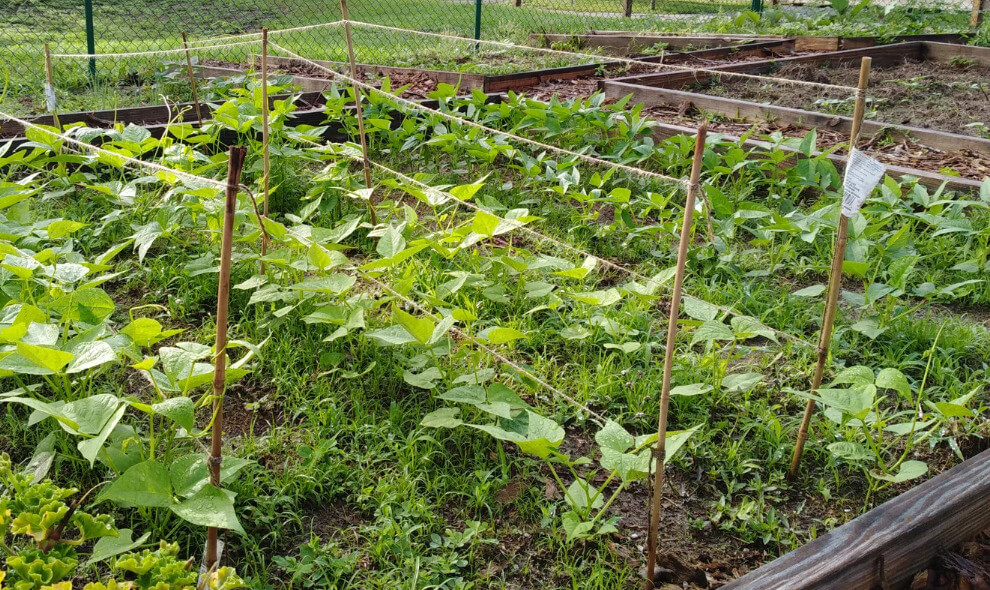
Intercropping, or planting crops of different sizes and growth rates together, is an orchard design technique that gardeners often use to maximize yield in a small space.
Try it in your larger garden. As your Brussels sprout plants mature, for example, use the large space between them to quickly grow radishes or salad greens.
3. Harvest early and regularly.
Harvesting produce early and regularly usually results in higher-yielding plants. Make it a habit to pick vegetables once a day or every other day.
4. Grow vegetables appropriate for your region.
Consider your region when selecting seeds and plants for your garden. If your climate is prone to extreme weather conditions, some less hardy vegetables just aren’t worth it.
Talk to other gardeners nearby or contact local nurseries.
How can I store my crop?
If you’re anticipating a harsh winter, there are plenty of ways to store your crop to ensure home-grown vegetables through the winter and early spring.
Freezing is the easiest option and requires no special equipment. First freeze diced vegetables and fruits in a single layer on a baking sheet, then divide them into individual portions.
Although a little less common, drying is another simple way to preserve your harvest. Dry food is lightweight and doesn’t take up much space, and you won’t have to worry if the food is cut for an extended period.
Gardening to feed your family year-round is incredibly rewarding. The key is to start early and have a plan in mind. If all goes well, you’ll enjoy fresh produce from the garden until it’s time to plant next spring’s seedlings.
Don’t hesitate to share your tips and tricks to feed your family all year round with your garden!