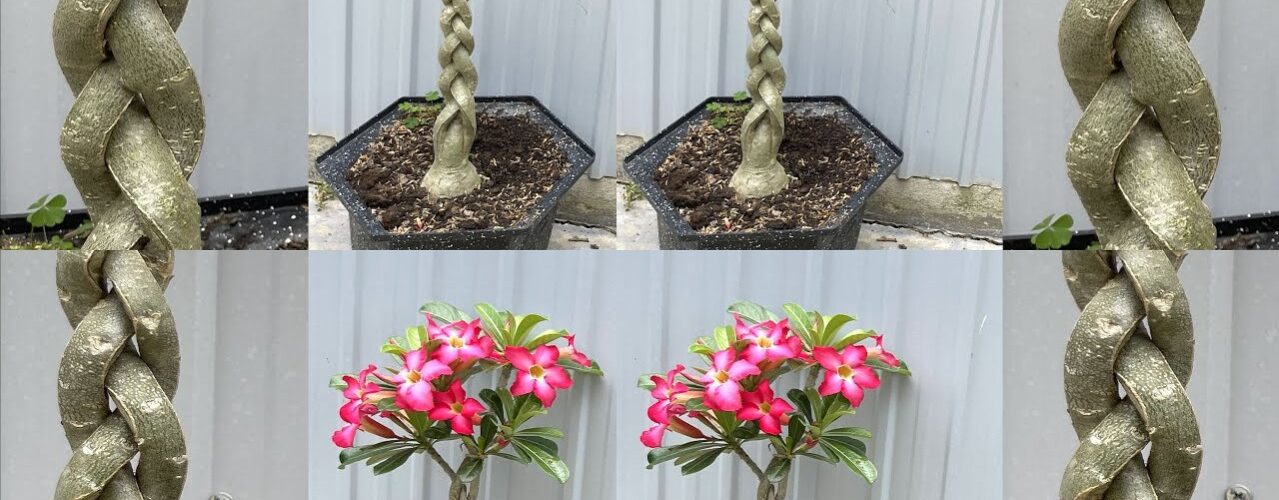

Choose the bonsai adapted to your needs and your environment
Before you even embark on maintaining your bonsai, it is important to choose the species that best suit your environment and your expectations.
Bonsai are divided into two broad categories: indoor bonsai and outdoor bonsai.
Some trees, such as the Ficus or Carmona, are particularly well suited to indoor cultivation, while others, such as Pinus or Japanese maple, prefer to be grown outdoors.
Therefore, it is essential to know the requirements of each species and choose the one that best suits your situation.
Provide an Ideal Location to Promote Your Bonsai Growth
As with other plants, the location of your bonsai is a determining factor for its growth and flowering.
Indoor bonsai usually appreciate bright places, without direct exposure to the sun’s rays, which could burn them.
Also be sure to protect them from drafts and heat sources, such as radiators, which could dry out the surrounding air and impair their development.
Outdoor bonsai, on the other hand, need a suitable environment for their growth, which varies according to the species.
Some enjoy shaded areas, while others prefer full sun. Find out about the particularities of your tree and offer it the most suitable location for its development.
Water and fertilize your bonsai with precision for harmonious development
Watering and fertilizing are crucial steps in caring for your bonsai.
In fact, improper watering can lead to root problems, such as rot or drying, and damage your tree’s growth.
Therefore, it is advisable to adapt the frequency and amount of water according to the species of your bonsai, the season and the size of the pot. Make sure to use quality water, rather soft and at room temperature, so as not to damage the roots.
Fertilization, on the other hand, provides the necessary nutrients for the growth of your bonsai. Opt for a bonsai-specific fertilizer and stick to the recommended doses and frequency, usually once a week or every two weeks during the growing period.
Cut and wire your bonsai to give it a harmonious and aesthetic shape
Pruning and binding are fundamental techniques to sculpt your bonsai and give it a harmonious and aesthetic appearance.
Pruning helps to control the growth of the tree, remove unnecessary or misplaced branches, and emphasize desired shapes. It is recommended to prune the bonsai regularly, depending on the vigor of the tree and the season.
Use specific bonsai scissors, which allow a clean and precise cut, without damaging the branches. Ligation, on the other hand, consists of wrapping a copper or aluminum wire around the branches to orient them in the desired direction.
This technique requires a certain mastery and patience, but it allows you to obtain original and artistic forms. Be careful not to over-tighten the wire so as not to damage the bark and remove it as soon as the branch has taken the desired shape.
Gain and maintain substrate to ensure healthy rooting
Repotting is an important step in the care of your bonsai, as it renews the substrate and ensures healthy rooting.
It is usually recommended to repot the tree every two to five years, depending on its size, age, and how fast its roots grow. To do this, choose a pot suitable for the size of your bonsai, with a drainage hole to prevent water accumulation.
Use a specific substrate for bonsai, which provides good drainage and provides the necessary nutrients for the growth of the tree. When transplanting, be sure to prune the roots carefully to encourage their development and promote their rooting in the new substrate.
Remember to water your bonsai well after repotting to help it adjust to its new environment.
The maintenance of a bonsai is an art that requires patience, care and know-how. By following these tips and tricks, you will be able to master this delicate art and give your miniature tree the best conditions for it to bloom and reveal all its beauty.
Remember that each bonsai is unique and requires special attention, adapted to its specificities and its environment. The care of your bonsai is a real source of satisfaction and serenity, which will allow you to cultivate harmony and beauty in your interior or garden.