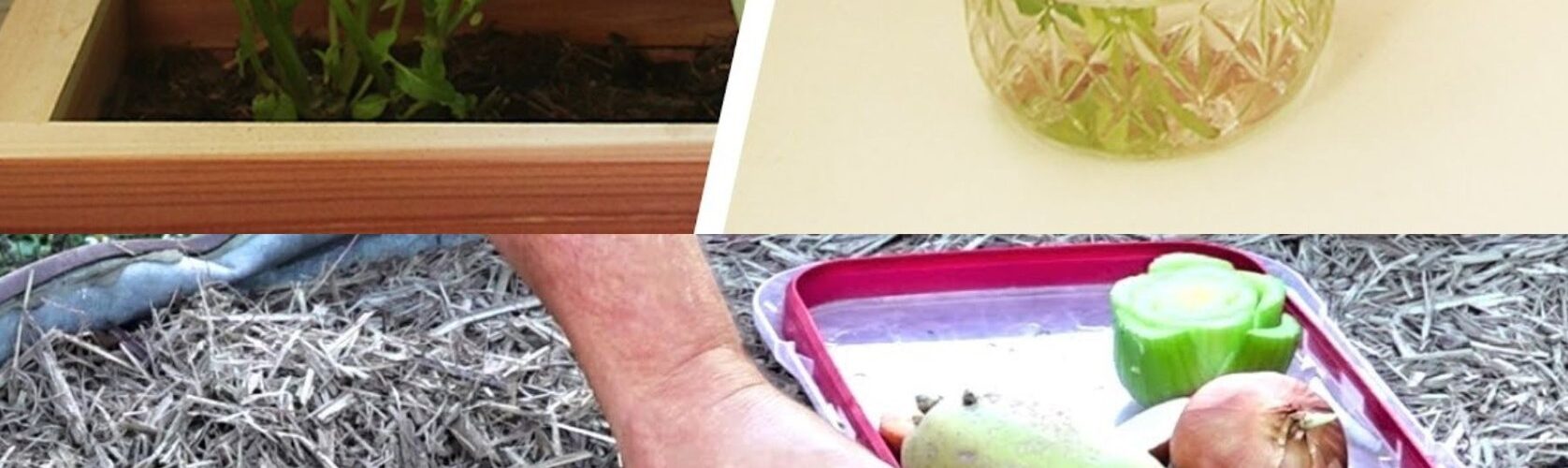
Those who live in an apartment or house without a garden are forced to find techniques to experience the joys of growing their own vegetables. It is accessibility, savings and the fact of knowing that no toxic product is found in your food that are usually the points cited to grow your own vegetables.
But did you know that there are actually plenty of vegetables that you can regenerate from leftovers, even without a garden? It’s fun, free, sustainable, and delicious. So before you throw away those food scraps, check to see if it’s something you can grow again at home. Make it a fun family experience (kids will love it)!
Growing endless vegetables from leftovers can be very simple:
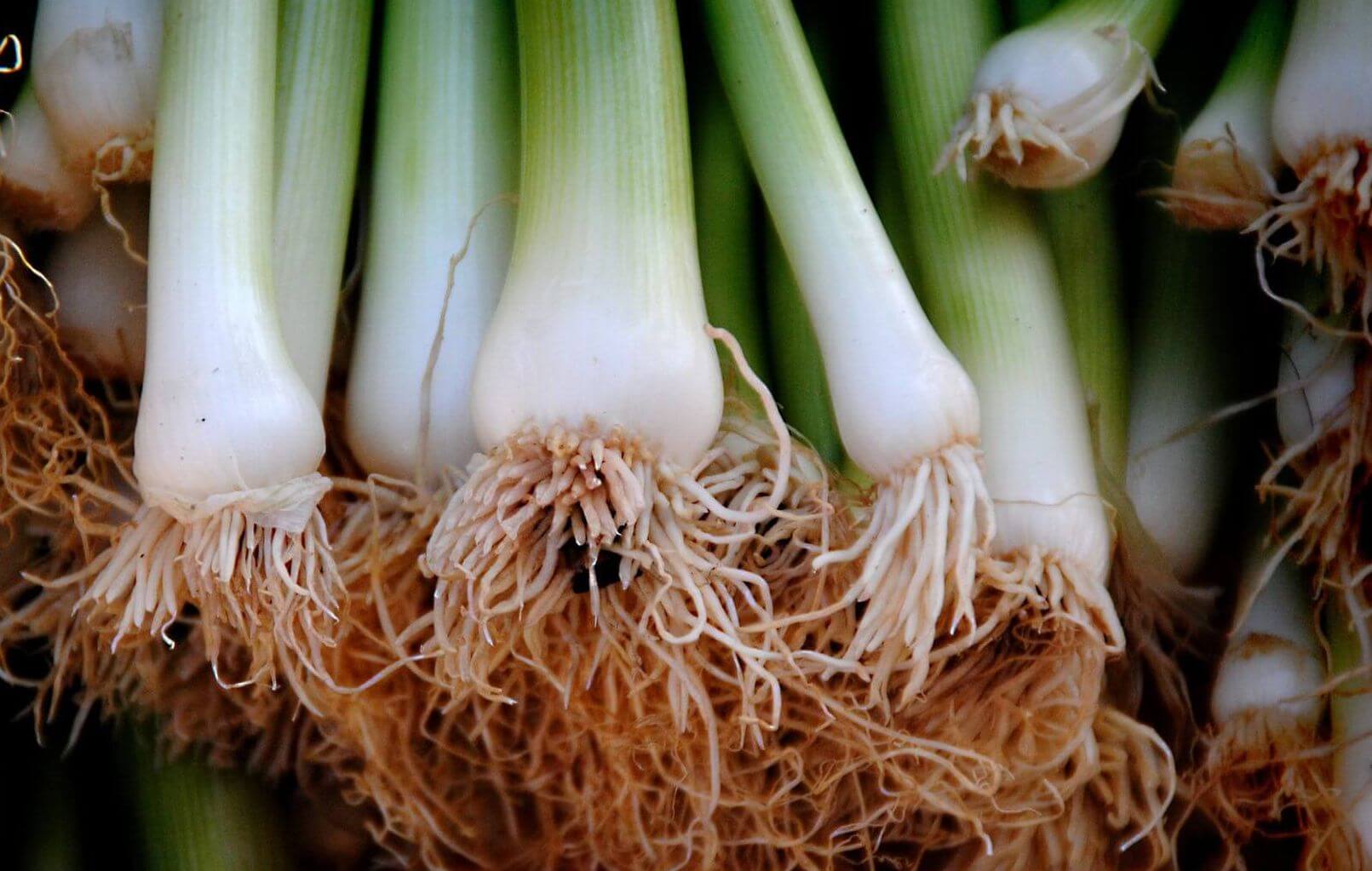
1. Green Onions
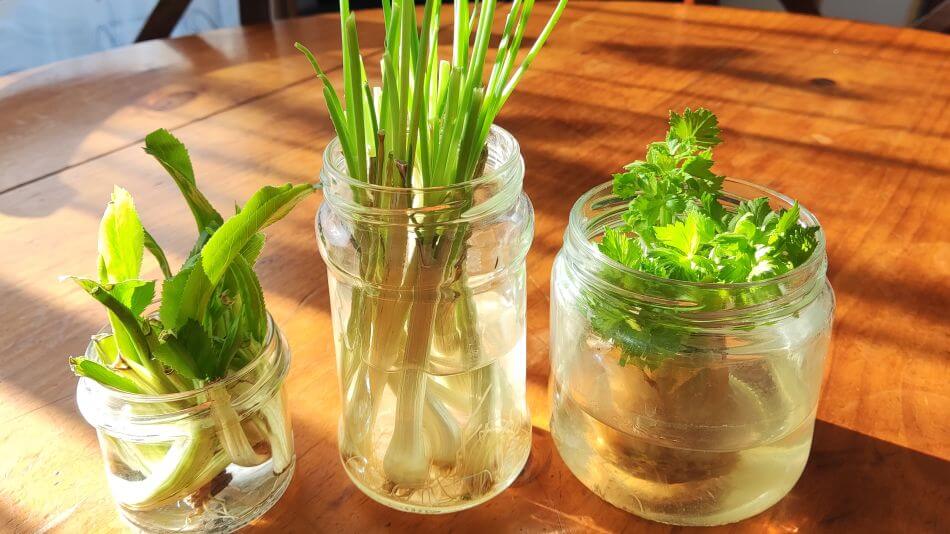
Green onions are arguably the easiest and most popular vegetables to regrow at home. All you have to do is cut them about two centimeters from the root and leave them in a glass of water.
2. Celery
Cut the celery and leave about two to four centimeters from the base. Place the foundation in a bowl of water and leave it in a sunny enough place. When the new leaves begin to sprout from the middle, let them grow for about a week before transferring them to a pot of soil.
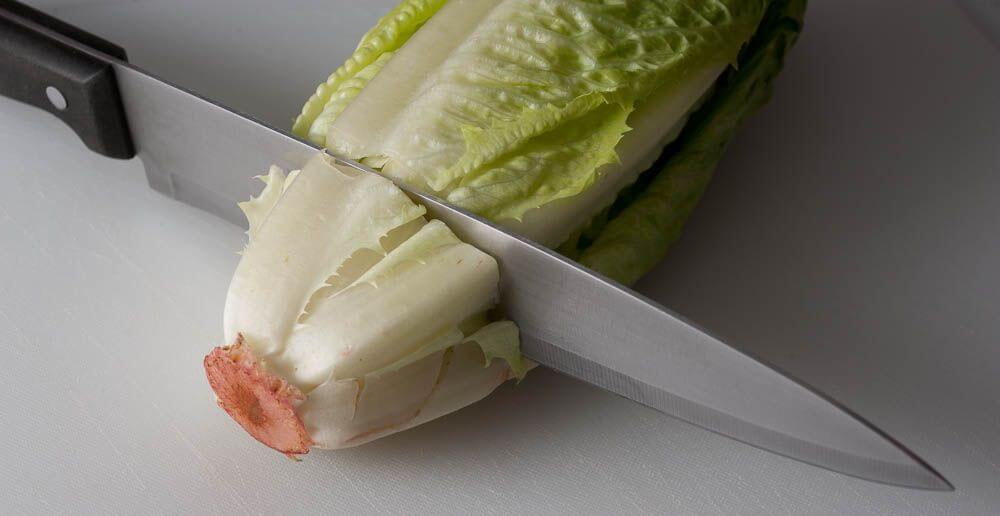
3. Romaine lettuce, bok choy, Chinese cabbage
Romaine lettuce is just as easy to regrow as celery! Leave the lettuce stump in a bowl and fill the water halfway. And once the leaves have grown back for a few days, transfer the stumps to a pot of potting soil.
4. Carrots
Alright, we’re not re-growing the carrot itself, but way up, because it’s surprisingly versatile. You can turn it into pesto, add it to soup, or even sauté the stem. Simply leave the tops of the carrots (with a piece of carrot attached) in a bowl or dish of water and place them where they can get enough sunlight.
5. Leeks
Leeks grow back in exactly the same way as green onions, although they may take a little longer depending on their size. Leave about 5 centimeters of leek from the bottom and place them in a bowl of water.
6. Chives
You can also regrow chives from a bulb. Make sure the root part is a good centimeter long. Place it directly in the soil and cover it with a layer of potting soil. Water it periodically to keep the soil moist. Simply continue to cut off the green shoots when they have grown back. You’ll never have to buy scallions again!
7. Basil, mint and coriander
Many herbs can be easily regenerated. Make sure there is about 4-6 cm of stem. Place the stems upright in a glass of water. When the new roots begin to sprout, transfer the herbs to a pot of soil and allow the aromatic plant to bloom.
8. Pineapples
Ok, it’s not a vegetable, but imagine growing a pineapple in your home. That would be great, right? And it’s even easier than you think. It just takes a little patience, because the pineapple can take up to two years to bear its first fruits, so it is an exotic plant so you will have to take care of it if you do not live in the sun!
The trick is to grab the crown of the pineapple by the leaves, twist it and pull it out so that the stem stays together. Remove some lower leaves to expose the stem. Make sure there is no fruit pulp, as this will rot the stem.
Place the pineapple crown in a glass of water and allow new roots to emerge, which usually takes about three weeks. Then transfer everything to a pot with fast-draining soil. The plant should start to resist if you try to get it out of the ground in about two months. At this point, that means your replanting has worked, and it’s time to start caring for pineapple plants.
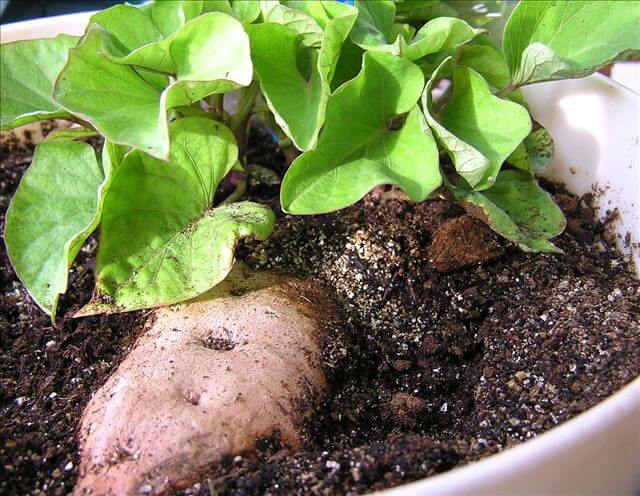
9. Sweet potatoes
Sweet potatoes are very easy to grow, but you’ll need a lot more space, so it’s probably not suitable for an apartment. Insert toothpicks around a sweet potato to attach it to the rim of a glass, leaving it out of the water only halfway. When the roots reach about 6 or 7 cm, plant the sweet potato directly into the soil mixed with potting soil.
10. Potatoes
Just leave your potato in a dark corner, forget about it, and it will just sprout. I know we’ve all been there. But there’s probably a faster, healthier way to do it. Cut a potato in half. And where you see the bulging “eyes” on the skin, plant the potatoes in the ground with the “eyes” facing up. This is where the plant will begin to germinate within a few weeks.
Growing half-eaten vegetables again can be fun and can save you money with a little organization and time.
Have you tried growing your own vegetable scraps again?
Share your experiences with us!
Which vegetables work best for you?