Choose the right time to plant lettuce
The success of lettuce cultivation is largely based on the choice of planting period.
Indeed, lettuce is a plant that needs a certain number of hours of light to grow well. Therefore, it is essential to plant your lettuces at the right time to ensure a bountiful and quality harvest.
Salad is usually grown year-round, but some varieties are better suited for certain seasons. Here are some recommendations for each season:
- Spring: This is the best time to plant most lettuce varieties. Cut lettuce, such as lamb’s lettuce, arugula or romaine lettuce, are especially suitable for this season. You can start planting from March to June.
- Summer: Some varieties of lettuce tolerate high temperatures better than others. For planting in summer, prefer sprouted lettuce, batavia, and cut-leg lettuces resistant to spike. It is best to plant between May and August.
- Fall: Winter lettuce varieties, such as lamb’s lettuce, purslane, or chicory, are ideal for planting in the fall. You can plant them between September and November for a winter harvest.
- Winter: Some hardy varieties of lettuce, such as lamb’s lettuce, can be planted in winter in regions with temperate climates. It is best to plant them in a greenhouse or under a protective tunnel to protect them from frost. The planting period runs from December to February.
Land preparation and site selection
Soil preparation is an essential step in promoting the growth of your lettuces.
Here are the different things to consider:
- The type of soil: Lettuce is mainly grown in rich, light, and well-drained soils. It is important to provide well-decomposed compost or manure to enrich the soil with essential nutrients for plant growth.
- Soil pH: Lettuce prefers slightly acidic to neutral soil, with a pH between 6 and 7. If necessary, you can correct the pH of your soil by adding lime to increase the pH or peat moss to lower it.
- The location: choose a sunny or slightly shaded spot for your salads. Lettuce needs at least 4-5 hours of sunlight a day to grow well. Avoid areas that are too exposed to wind, which can damage the leaves and lead to spike.
- Crop rotation: To avoid disease and pest problems, it is recommended not to grow lettuce in the same place for at least 3 years. Choose a rotation with root vegetables or legumes.
Sowing or planting lettuce seedlings.
You have two options for planting your lettuces: sow in the ground or buy seedlings in pots.
Here are the tips for success with each method:
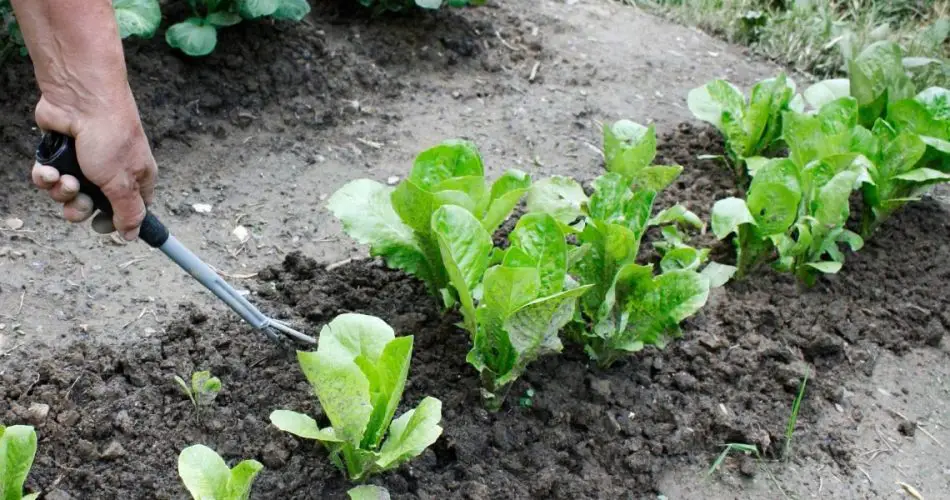
- Sowing in the ground: make furrows about 1 cm deep and 30 cm apart. Sow lettuce seeds, spacing them 2 to 3 cm apart in the furrow. Cover the seeds with soil and water lightly. Rinse the plants when the first leaves appear, leaving a space of 20 to 30 cm between each plant.
- Planting seedlings in pots: Buy lettuce seedlings in pots, ready to be planted. Dig holes 20 to 30 cm apart, place the plants in the holes and cover with soil. Tamp lightly and water thoroughly.
It is also possible to sow in a box or terrine indoors, then transplant the plants into the ground when they have developed their first true leaves.
Caring for and protecting lettuce
To ensure a bountiful and tasty harvest, it is important to take the right steps to maintain and protect your lettuce:
- Watering: Lettuce needs a constantly moist soil, without it becoming soggy. Water regularly and in moderate amounts, avoiding wetting the leaves to prevent disease. Prefer to water in the morning or evening to limit water evaporation.
- Mulch: To conserve soil moisture and limit weed growth, mulch around lettuce. You can use compost, dead leaves, or wood chips as mulch.
- Protection against pests and diseases: To control slugs, aphids, and other pests, set up slug traps, spray a mixture of water and black soap, or plant auxiliary flowers, such as nasturtiums, to attract natural predators. In case of diseases, such as mold or rust, treat with a suitable fungicide.
- Frost protection: In winter, protect your lettuces from frost by covering them with a winter veil, a protective tunnel, or a greenhouse. Also consider mulching the soil to retain heat.
Harvest and enjoy your salads
Harvesting of lettuce is usually done 6 to 8 weeks after planting, when the leaves have reached sufficient size to be consumed.
Here are some tips for harvesting and enjoying your salads:
- Picking: To collect the lettuce leaves, cut them with a knife or pruning shears at the base of the stem. For sprouted lettuce, take the whole head by cutting the stem a few inches off the ground.
- Storage: To keep your salads fresh and crisp, place them in a perforated plastic bag in the refrigerator. They will be maintained for several days.
- Tasting: To savor your salads, wash them carefully with clean water and drain them gently. Then, compose your salad by mixing different varieties of leaves and adding ingredients of your choice, such as tomatoes, cucumbers, radishes, oilseeds, or even pieces of cheese. Season with a homemade vinaigrette and enjoy immediately to enjoy all the flavors and benefits of your freshly harvested salads.
Planting and growing lettuce at home is simple and rewarding, allowing you to enjoy fresh, tasty, and nutrient-dense vegetables year-round.
By following our advice, you will be able to choose the right time to plant your lettuce, prepare the right soil and place, sow or plant lettuce plants, maintain and protect your plants and finally harvest and enjoy your delicious homemade salads.
So don’t hesitate to embark on this plant-based adventure and share your harvest with your loved ones!