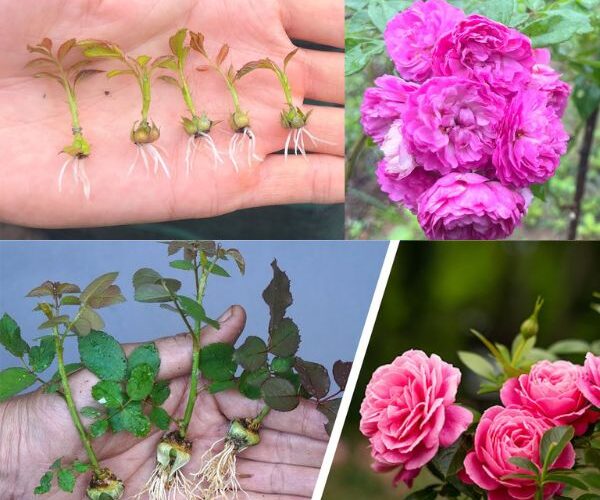

No plant represents spring better than the rose: it is no coincidence that May is called the month of roses.
A very famous and easily distinguishable plant, the rose is a genus of plants that differs in many species and varieties. Its main characteristic is its flowers, beautiful and with delicate petals.
Many decide to grow this plant in the garden or on the balcony, taking care of it without knowing its specific needs. It’s actually important to know what the best growing rules are so you can keep it healthy and leafy.
Let’s see together how to have roses with an abundant and long-lasting bloom with some simple and extremely effective tips to put into practice.
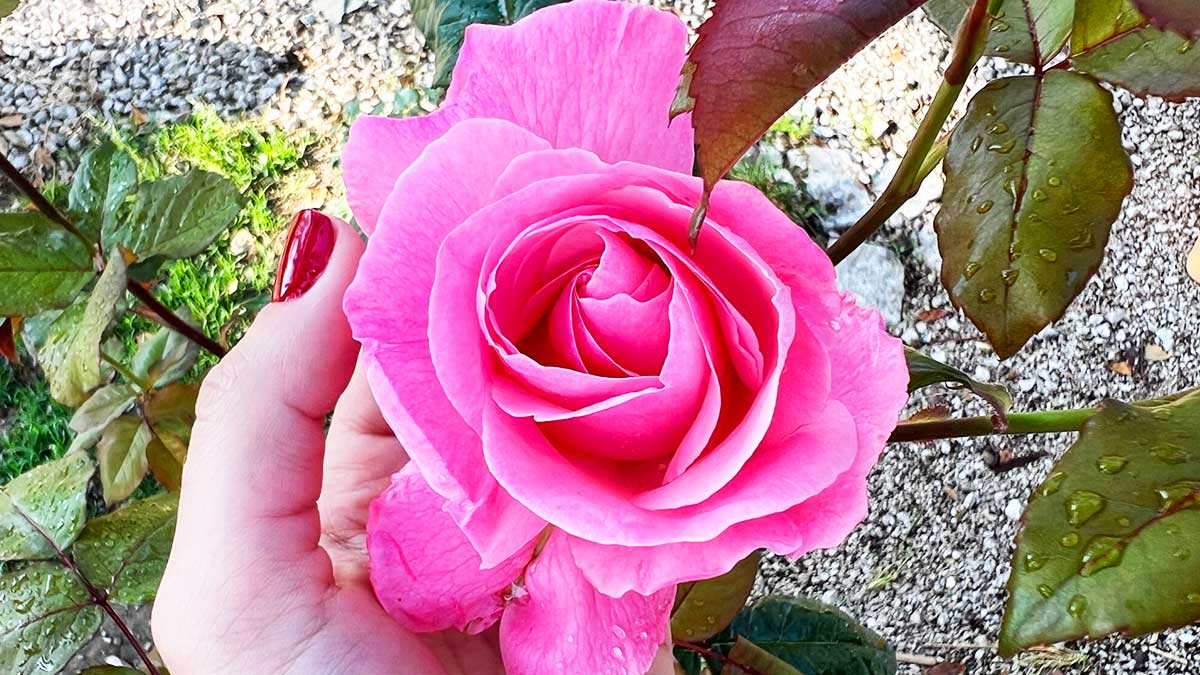
Remove faded flowers
A first rule to follow to prolong the bloom of the rose is to carefully remove all dried flowers.
In this way, in fact, you will stimulate the formation of new shoots and, consequently, the birth of new flowers.
Therefore, always pay attention to the condition of your plant and do this type of pruning regularly, whenever you notice a wilted flower.
Read here for more tricks on how to have beautiful roses in your garden!
Don’t wet the flowers
As is known, rose bushes should be watered regularly, but allowing the soil to dry well between waterings, to avoid the formation of stagnant water.
When watering, you should be very careful not to wet the leaves and, above all, the flowers.
In fact, if the petals remain wet, they risk rotting and falling prematurely, leaving your plant bare and without flowers.
Likewise, excess moisture between flowers and leaves can compromise the appearance of new buds.
Excess moisture can lead to leaf spots. Read here to learn about other causes.
Credit
Fertilization is important to ensure that the plant forms new shoots and transforms them into splendid flowers. There is no shortage of fertilizers for sale for this plant: many are guano-based and contain nitrogen, phosphorus, and potassium.
The ideal is to fertilize from March to August. In winter, on the other hand, if your roses are in the ground, and not in pots, simply fertilize them with a little compost.
Many nurserymen recommend the use of granular fertilizer that should be spread in moist soil every 15-20 days.
Wood ash is one of the most suitable natural fertilizers for roses. This can be used in an extremely simple way, spreading it on the soil at the base of the plant.
Find out here what other natural fertilizers you can use for your plants.
expose them to the sun
Most roses love direct sunlight.
That is why it is essential, during the flowering period, to expose them to at least 4-5 hours of direct light every day: this, in fact, strengthens the flowers that have already bloomed and helps the buds to open. The ideal exposure is southeast or southwest.
Warning: Obviously, depending on the species or variety of roses you have, ask your trusted gardener or florist for advice. David Austin’s roses, for example, need partial shade.
Keep pests away
Unfortunately, the rose is often attacked by parasites, especially when kept in the garden. Among the most common are aphids that, feeding on the sap of the plant, dry out the flowers and weaken the plant to the point that it no longer blooms.
Periodically checking the leaves is essential so you don’t notice the infestation too late. As soon as you become aware of the presence of parasites, use a specific product to eliminate them or try a natural home remedy.
Among the first remedies, there is certainly that of using a compound based on Marseille soap (between 15 and 30 grams) and water (one liter), sprinkling it on the affected parts: this substance, in effect, drives away parasites and prevents reappearance.