
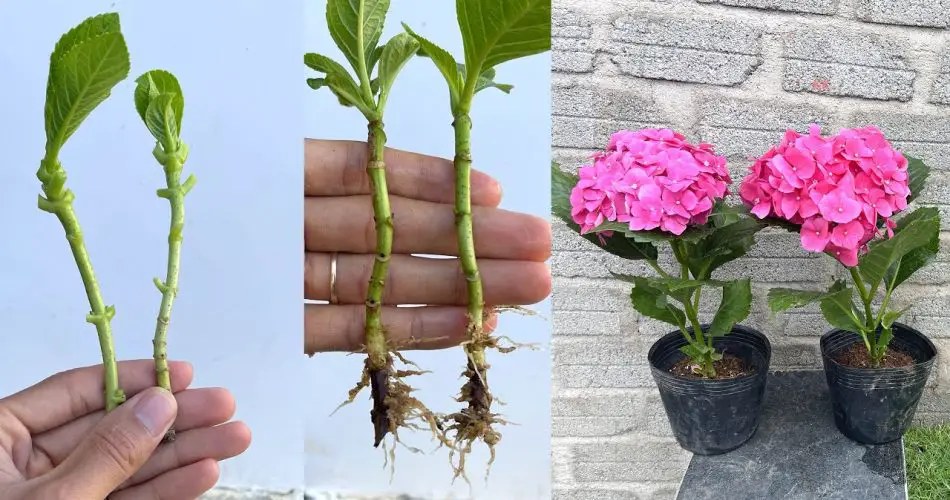
If you are an avid, flower-loving gardener, you should definitely adopt a hydrangea. This beautiful plant with an impressive bloom can sublimate your outdoors all summer long! Can you imagine it? It will be great to have all of these colors, pink, white, green, blue, and purple, for the next 4 months. Here’s how to care for hydrangeas. It’s as easy as child’s play!
How to keep hydrangeas in the garden?
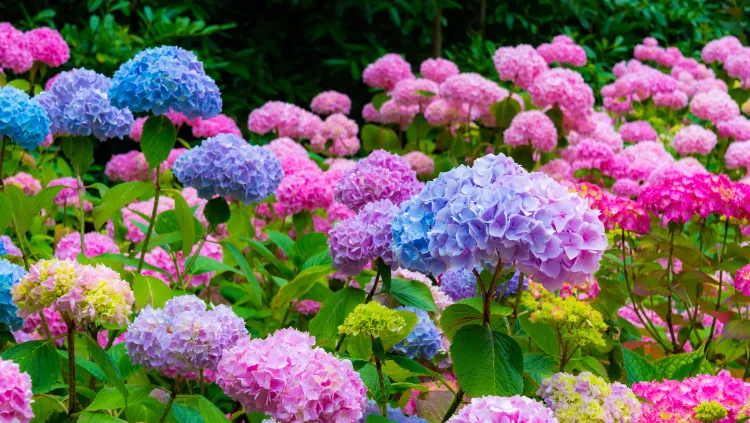
As you may already know, hydrangeas, also known as Hydrangea, are flowering shrubs that do not require special maintenance. But if you want to have an abundant flowering throughout the season (from June to September), you have to pamper them a little. May is the perfect time to do this, just before they bloom. Here are all the details you need to know.
Hydrangea Maintenance: Soil Type
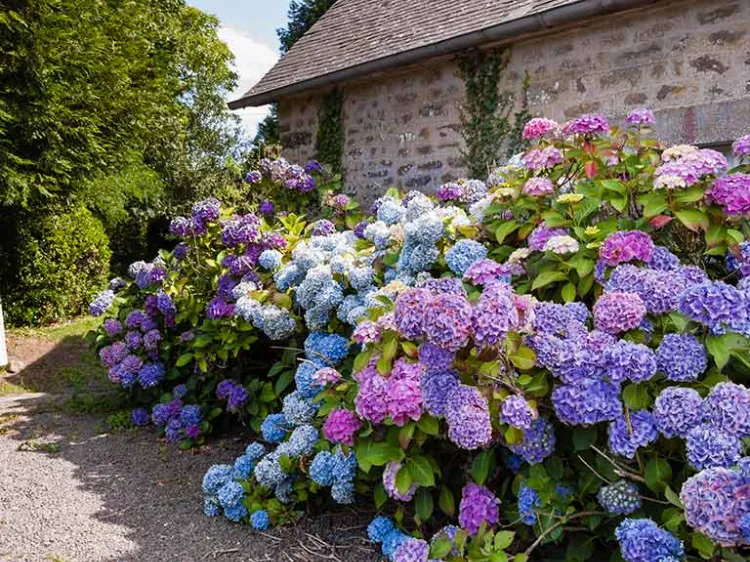
The good thing is that hydrangeas can tolerate a wide range of soil types. However, they grow best in fertile, humus-rich soil. An interesting fact is that Hydrangea macrophylla can change color by adjusting the pH of the soil. Find out how in the following paragraphs.
How often should it be watered?
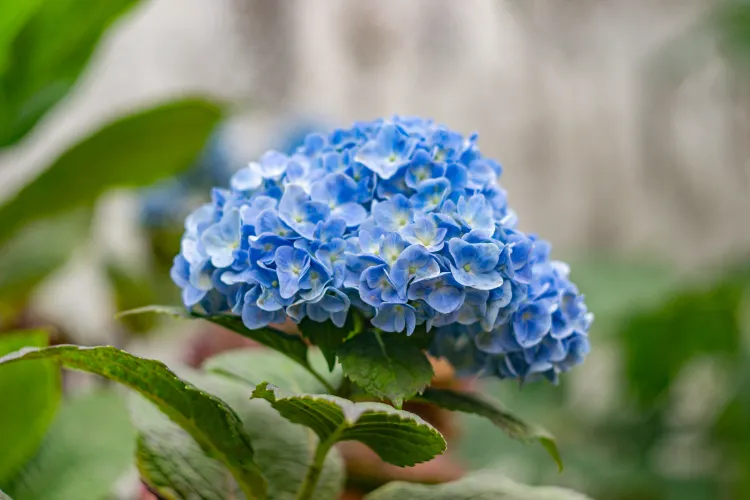
As the name suggests, the hydrangea loves water. So you have to keep them hydrated. This means that the soil should remain moist, but not wet. If you water it too much, you won’t see its flowers this summer. Sorry about that!
To make sure you’re giving the plant the optimal amount of water, dig your fingers into the soil a depth of an inch or two to see if it’s dry or wet. In general, it needs good watering once a day. The best time to do this is in the morning.
Hydrangea Care: Light
Hydrangeas can survive in or without direct sunlight. But keep in mind that too much shade can reduce flower production. Partial shade provided by tall deciduous trees is the best condition to stimulate their flowering, especially if they receive morning sun and partial shade comes with afternoon heat. This means that the hydrangea is better suited to east-facing gardens than west-facing gardens.
If your shrub is planted in a sunny spot, water it more often on hot summer days.
Temperature and humidity
As already mentioned, hydrangeas prefer partial shade. If it is too hot or too cold, the plant will not be able to grow to its full potential. In this context, avoid planting it on the south or west side of your garden.
In terms of humidity, the flowering shrub prefers moderate to high humidity. Dry climates can cause their leaves to turn brown.
Prune Hydrangeas
We have an article that explains in detail how to prune your hydrangeas, but here’s a summary:
- H. quercifolia: This variety of hydrangeas is best pruned in early spring.
- H. paniculata: White hydrangea care is also easy. Remove faded flowers and prune them in late winter or early spring.
- H. arborescens: Cut to ground level each winter or early spring.
- H. anomala: This species usually does not need pruning. Only do this to keep the new growth in check.
How do you care for potted hydrangeas?
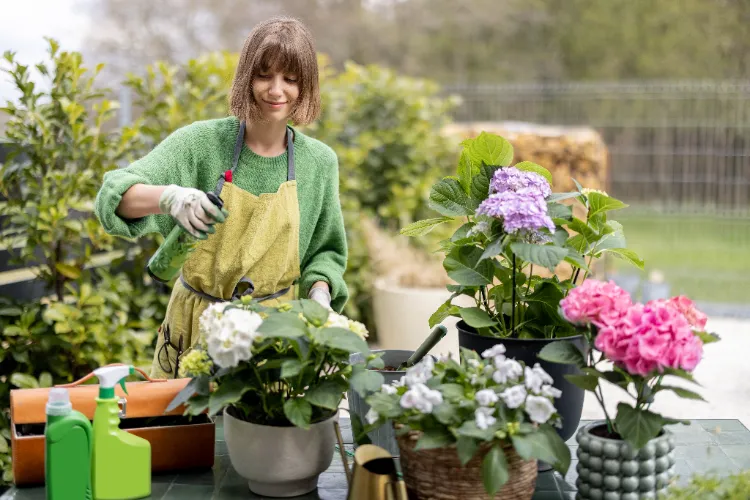
If you want beautiful flowers, make sure the bottom of your container has holes to drain excess water. The size of the pot should be at least 45 cm in diameter. The rest is the same as for hydrangeas in the garden. They need partial shade and plenty of water. Don’t forget to test the soil moisture! Check out the full list of pot-friendly shrubs in our dedicated article.
Boost hydrangea bloom
If you strictly follow all the tips outlined above, you will definitely have a bountiful bloom. But you can also stimulate it with a fertilizer. You can choose a natural hydrangea fertilizer or buy a special product at the store.
For example, add coffee grounds at the base of plants to stimulate the growth of your plants. Banana peels are a good source of potassium that promotes flower growth. Manure is also a good fertilizer that will help you maintain hydrangeas. It will guarantee you large and spectacular flowers!
It is best to fertilize in spring and possibly in June when the plant is in bloom. This will provide them with all the necessary nutrients.
How to change the color of hydrangeas?
It’s amazing that you can control the color of hydrangea flowers. But keep in mind that not all varieties can do this. If you like the idea of experimenting with different hues, opt for broadleaf hydrangeas, H. macrophylla. This flower responds to changes in soil pH. Acidic soil with a pH of 6.0 or lower produces blue flowers and neutral to alkaline soil with a pH of 7.0 or higher produces pink flowers. In the first case, you need to add sulfur or peat moss to the soil. In the second, add ground limestone.