Surrounding yourself with plants at home brings a number of benefits, there is no doubt about that. Most people might think that it is only a question of aesthetics (they beautify indoor spaces) and psychological well-being (they eliminate stress and help us relax). It is not so. We often forget that green can also help purify the air and limit domestic pollution .
We know that pollutants can come from glues, paints and sealants used in home finishes, printers in use, cigarette smoke, cleaners, etc. Even frying foods, such as milanesa , pollutes indoor environments. That is why some plants capable of absorbing small quantities of volatile organic compounds (we are talking above all about aldehydes and aliphatic, aromatic and chlorinated hydrocarbons) turn out to be precious allies. We have selected five for you, let’s look at them together.
ficus
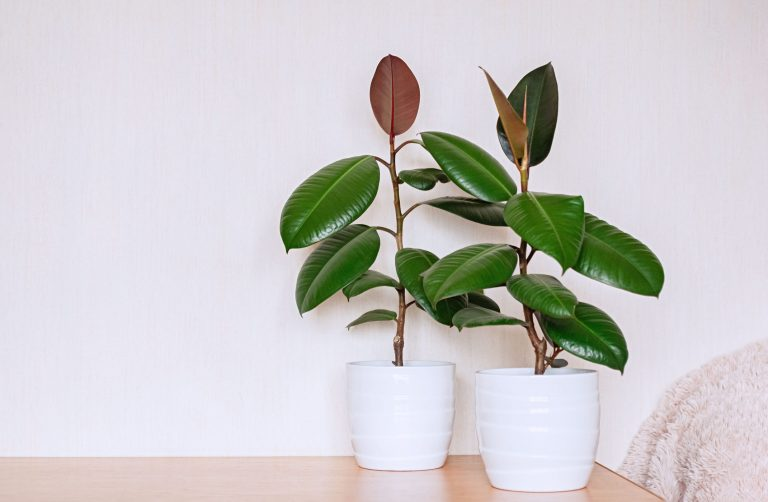
You probably already recognized it from the photo. In fact, it is not so rare to find a Ficus elastica plant in the living room of an apartment. One of its great virtues (which it also shares with Ficus benjamina and other species of the same family) is the ability to absorb moderate amounts of formaldehyde : up to 12 micrograms per hour. It prefers humid and not too cold environments. In addition, it is a plant suitable for people who are a little lazy: in fact, it does not require special care and is very resistant.
Aloe
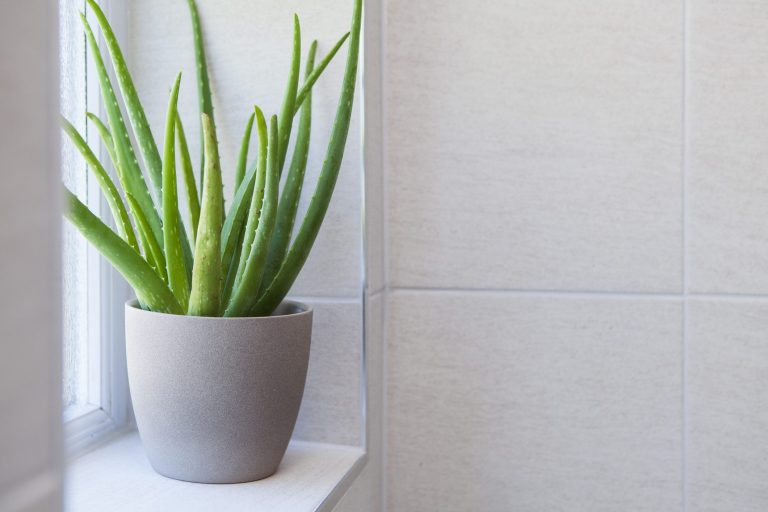
As you know, aloe vera is a succulent plant that has a number of beneficial properties . It does not require too much care, a bright environment and a little water from time to time are enough. Aloe vera also helps purify the air in the home by removing pollutants, particularly benzene and formaldehyde.
Dracaena
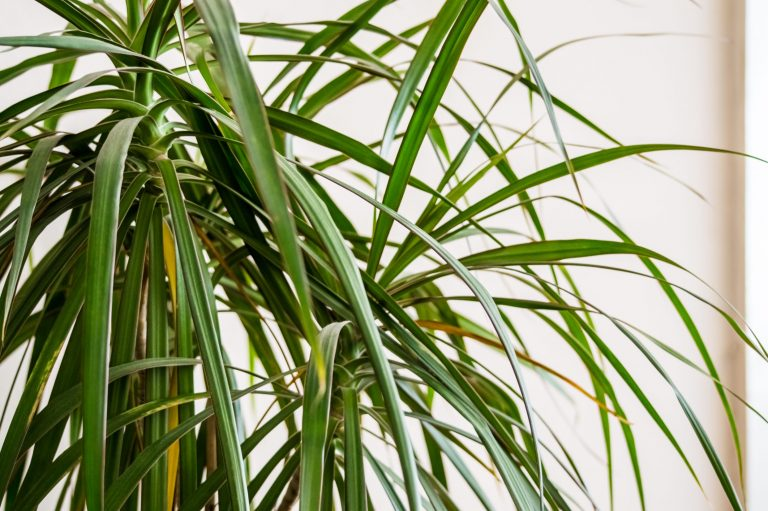
Dracaena fragrans (or the trunk of happiness ) is one of the best allies to purify the apartment of trichloroethylene , also known under the commercial name of trichloroethylene, but it is also effective in eliminating formaldehyde, toluene and xylene. Evergreen plant, it prefers bright environments, although it is not recommended to leave it exposed to direct sunlight, and it needs a soil that is uniformly moist but not wet, so it is advisable to water it once or twice a week.
Pothos
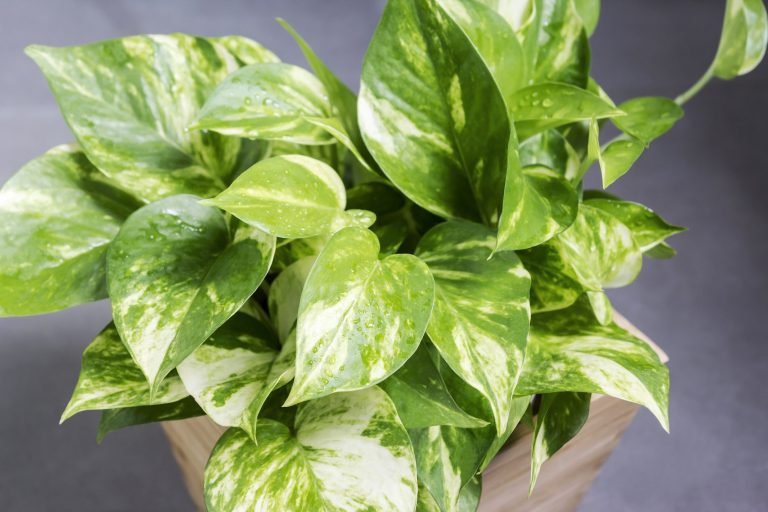
Like the previous plants, Pothos (scientific name Epipremnum aureum ) requires little attention. It does, however, help to eliminate formaldehyde, xylene, toluene, benzene and carbon monoxide. It loves light, but not direct sunlight, and has the characteristic of developing quickly and in a lush manner : you can let it fall with its leaves in the pot or let it climb on a support.
sansevieria
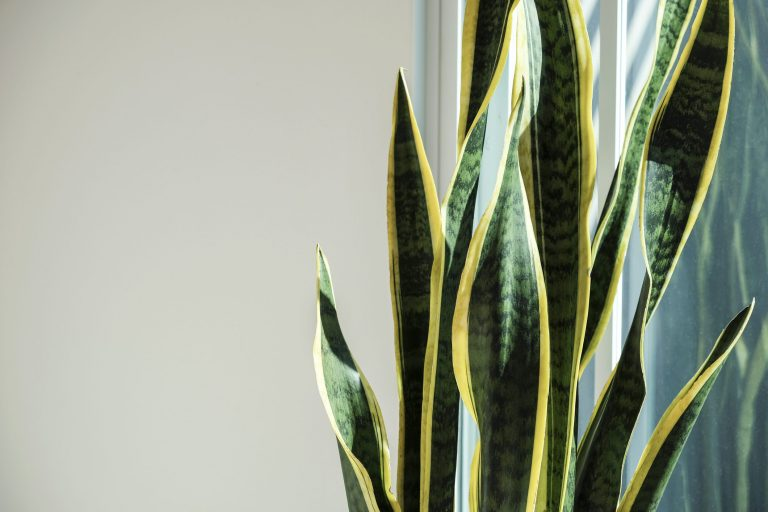
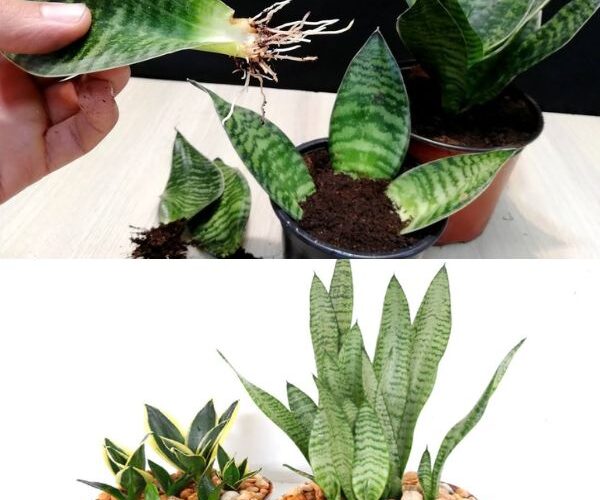
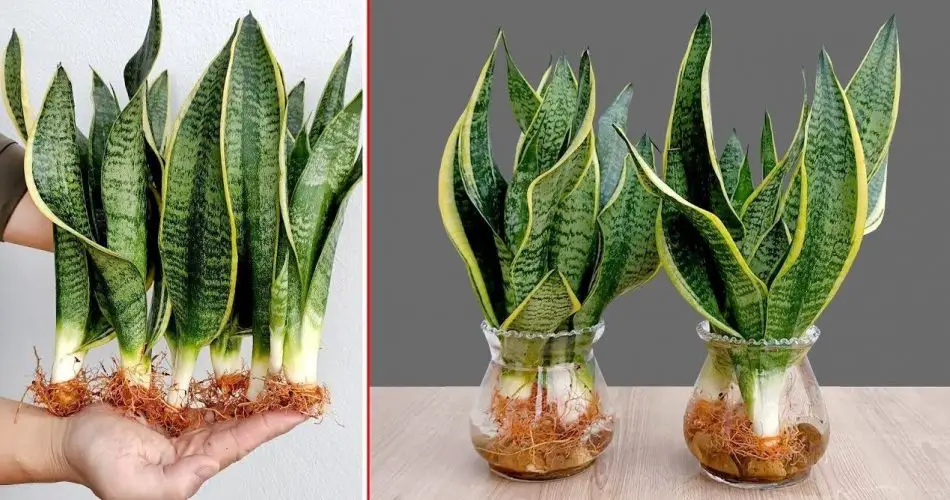
Mother-in-law’s tongue or snake plant? No matter what you prefer to call it, just know that sanseveria is another useful plant for purifying the air in the four walls of the house. Consider that it is capable of absorbing at least 107 pollutants , including formaldehyde, benzene, xylene and trichloroethylene. Don’t consider yourself a good green thumb? Don’t worry, it doesn’t need constant monitoring, as it is a very hardy perennial , capable of going entire weeks without water and thriving in any environment, even in low light conditions.