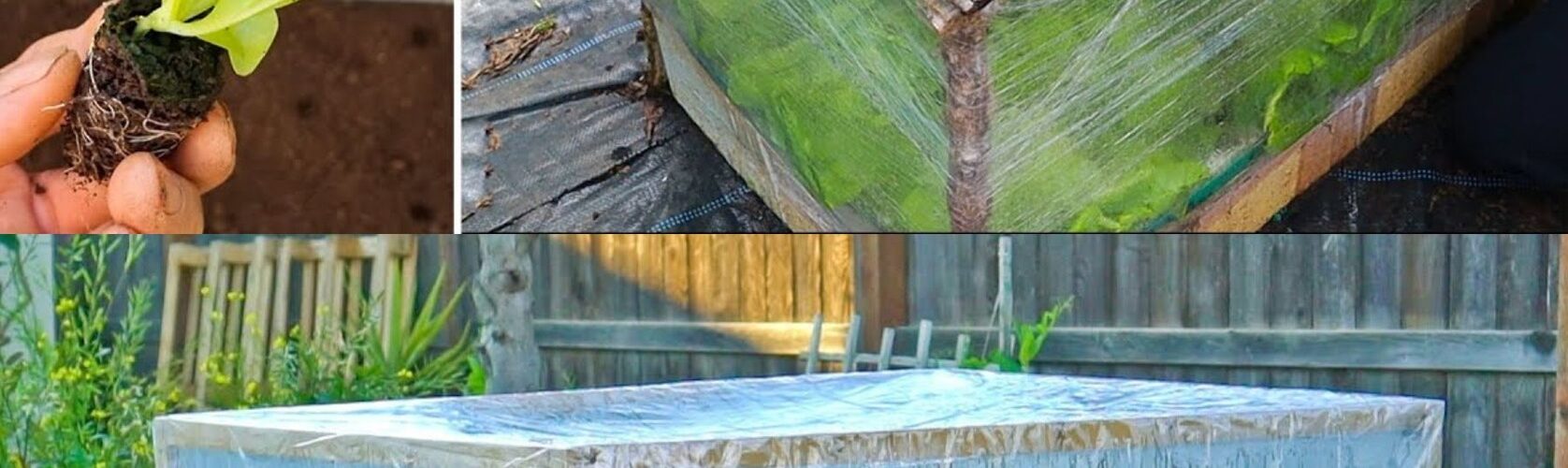
Heat waves sometimes cause some unpleasant surprises. Storms, often very localized, can surprise us with their violence and the damage they cause. It is increasingly necessary to anticipate them as much as possible. According to the indications of the barometer or the monitoring alerts of the Météo France services, you will have to react quickly to protect your plants. This means having enough time to take care of your green spaces. How to protect your garden from hail? We immediately give you some advice to save what can be saved. It’s here !
How to protect your garden from hail or heavy rain? The basics + 5 tips to get ahead
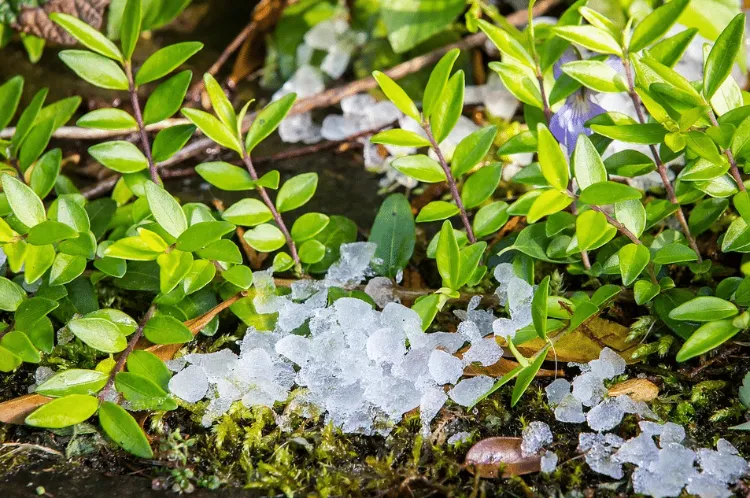
Hail is just as devastating as rain, storms or wind. However, it is possible to protect yourself with a few tips. Firstly, on a balcony or terrace, the most fragile potted plants can be moved under cover or inside while the violent weather event passes. In the vegetable garden, seedlings or young plants will benefit from being covered with wooden boxes weighted with stones to prevent them from flying away.
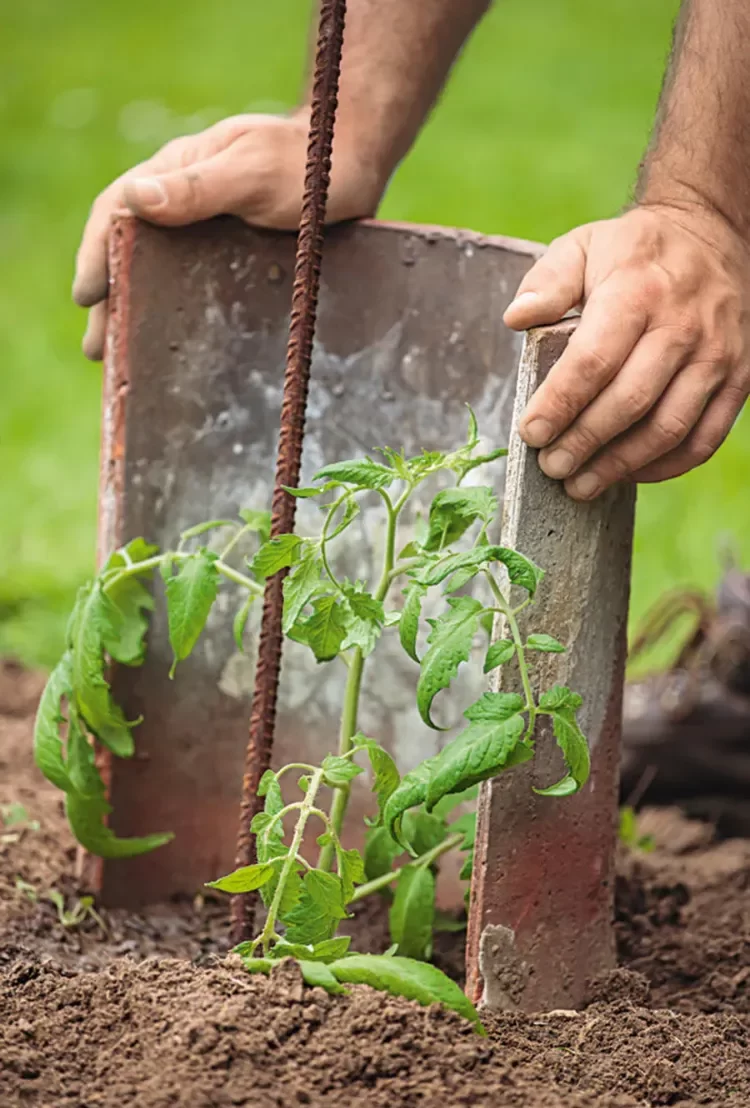
Similarly, you can protect your plants under a winter cover made of non-woven veil. Likewise, tiles are just as effective in protecting seedlings and young shoots from the cold. What’s more, it’s very simple: just place a tile against each stake to protect the top of the plants. For fragile plants and vegetables such as aubergines or courgettes, the use of a glass or plastic cover is recommended. This will protect young plants from bad weather and slugs.
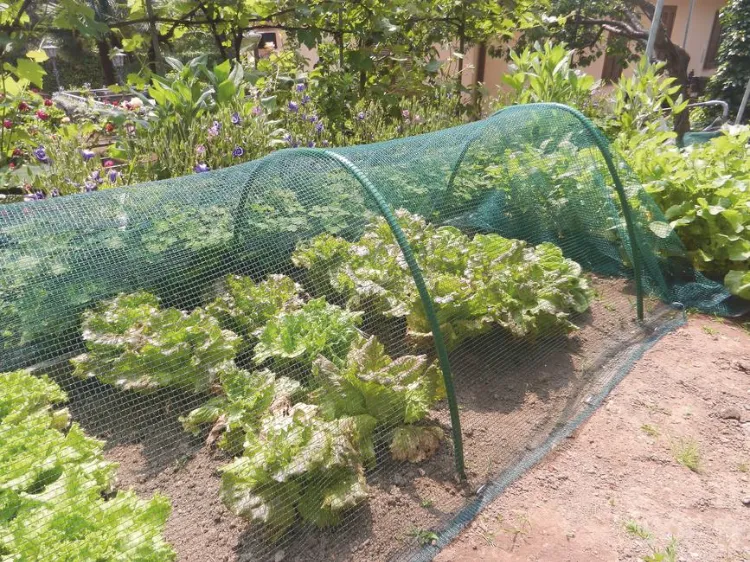
If your area is prone to hail, it is a good idea to place anti-hail nets over your fruit trees during the fruiting period. Don’t panic, it is almost impossible to protect all your plants during a hailstorm. However, these solutions can save you a lot of money. When hail strikes, you can anticipate possible damage by preparing your garden to deal with it. Here are 5 tips to help limit the damage.
Install tunnels
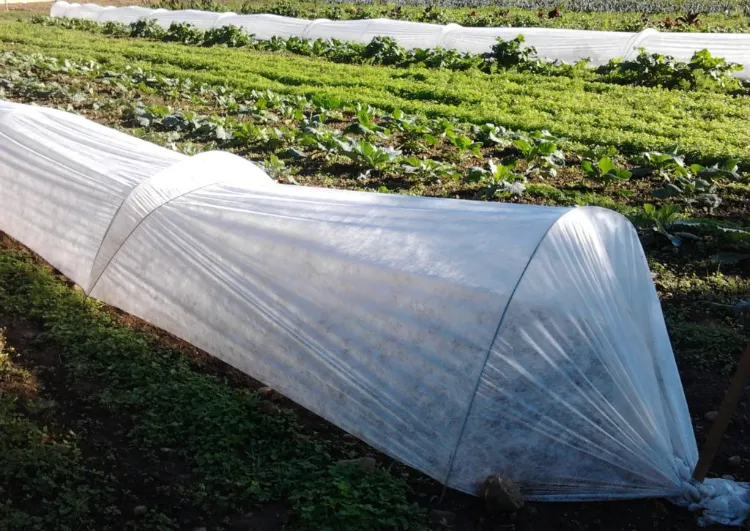
Tunnels are practical and effective for protecting crops. Their structure is based on planks placed along the plantations. All you have to do is lift the tarps when heavy rains are approaching. In addition, this trick is useful for vegetables that do not like drops in temperature. Indeed, tunnels keep these plants warm during periods of rain. We recommend that you perforate the tarp in several places and remove it as soon as the rain stops. This will limit condensation, the enemy of our plantations.
make mulch
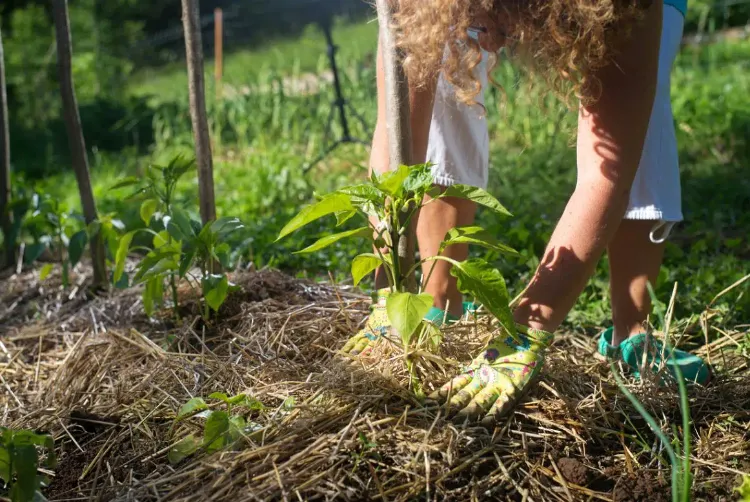
Mulching is a popular technique for protecting and fertilizing soil. It has many benefits for your garden. Choosing mulch means:
- remove weeds
- conserve the water contained in the soil by limiting evaporation
- nourish the soil
- Provide plants with shelter from sun, wind and rain.
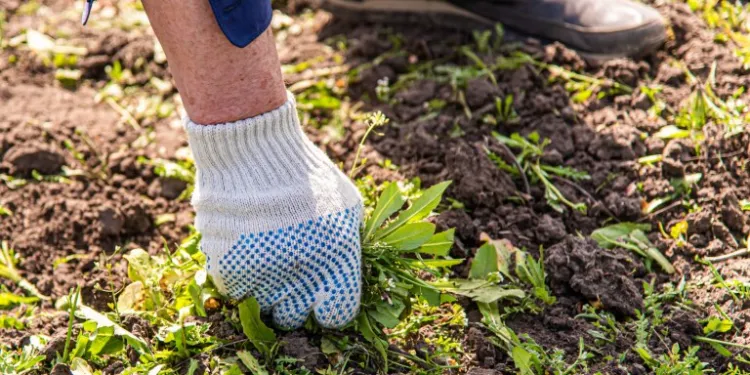
To make mulch, organic materials such as straw, hay, dead leaves, grass clippings, sawdust and fern leaves are preferred. In addition to protecting plants, they provide many nutrients to the soil as they decompose. In 2022, mulching is becoming more and more fashionable. Another good reason to get involved in responsible gardening!
Place your plants in a greenhouse to protect your garden from hail.
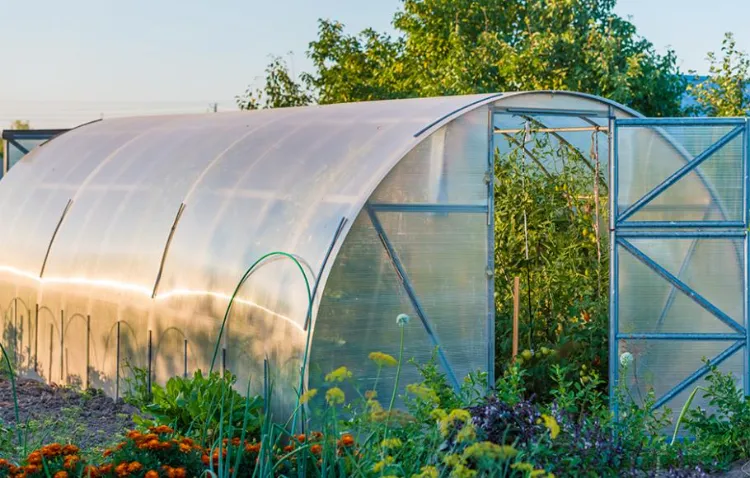
Do you know how to make a garden greenhouse? It is the ideal shelter for fragile and cold plants such as tomatoes. Mini greenhouses have the advantage of being easy to use and move. They are recommended to protect summer vegetables from rain. Tunnel greenhouses, on the other hand, allow the cultivation of vegetable plants in the long term.
prune the trees
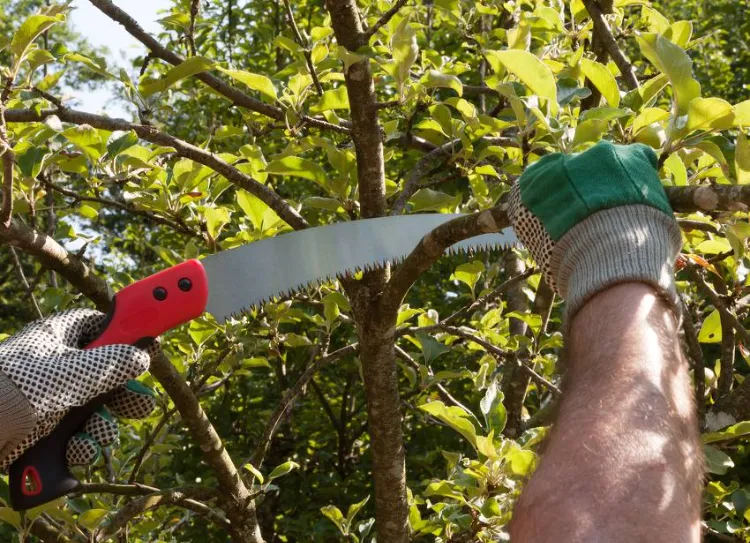
It is important to prune trees. In fact, some of them are eaten by parasites, or have branches that are too long or poorly positioned. In addition, in case of heavy rains, the tree or its branches could break. You therefore risk damaging the plantations and creating possible accidents.
Plant windbreak hedges to protect your garden from hail
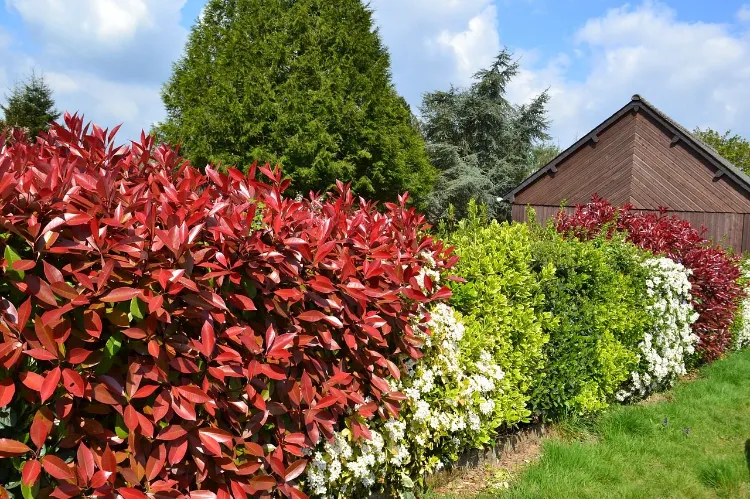
To protect your plants from strong winds, windbreak hedges are an effective solution. They reduce the effect of the wind without creating a turbulent zone at the base. Use them as a weather protection barrier in your garden.
And after the hail, what’s left for you to do!
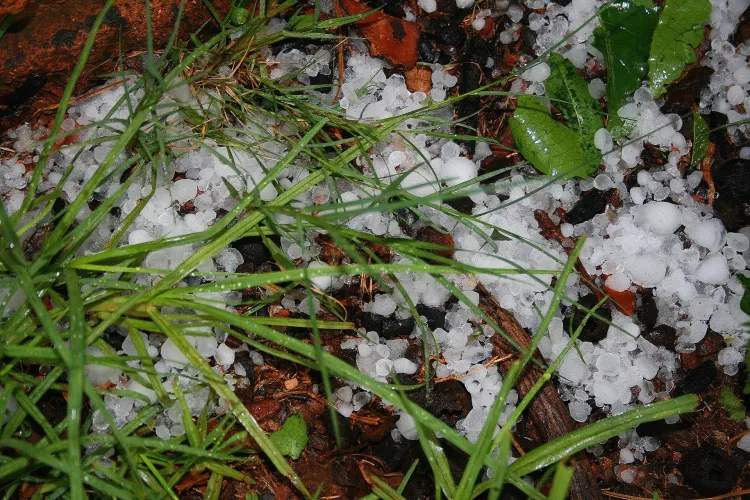
After the hail has passed, you’ll need to put on your blue heater and roll up your sleeves to get your garden back in shape. To repair the damage caused, cleaning actions are necessary:
- Pick up dead leaves, broken branches, damaged plants and fallen fruit.
- Check the status of the plantations
- weed the garden
- Empty the saucers of potted plants to prevent root rot

Similarly, you may need to repair:
- repair or replace broken trellises
- gluing broken terracotta pots back together
- put the edges back in place
- Bend back damaged or broken stems with pruning shears
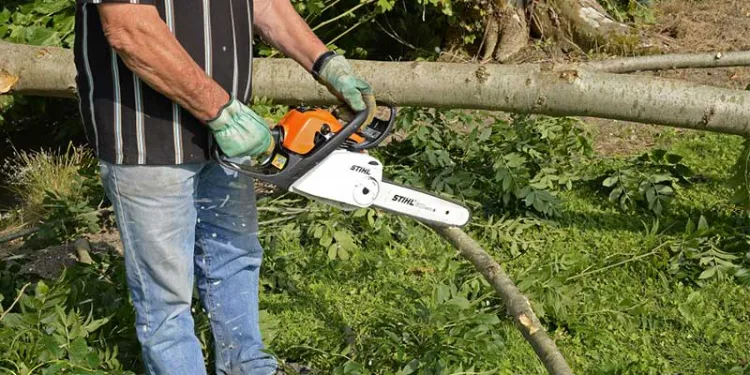
And also some additional activities for the bravest:
- Let the stems of the aromatic herbs dry
- Storing spoiled fruits and vegetables in the freezer
- cut trees on the ground
- prune broken stems at the wound to obtain a clean cut
- Apply a protective sealant to the wound to prevent possible diseases