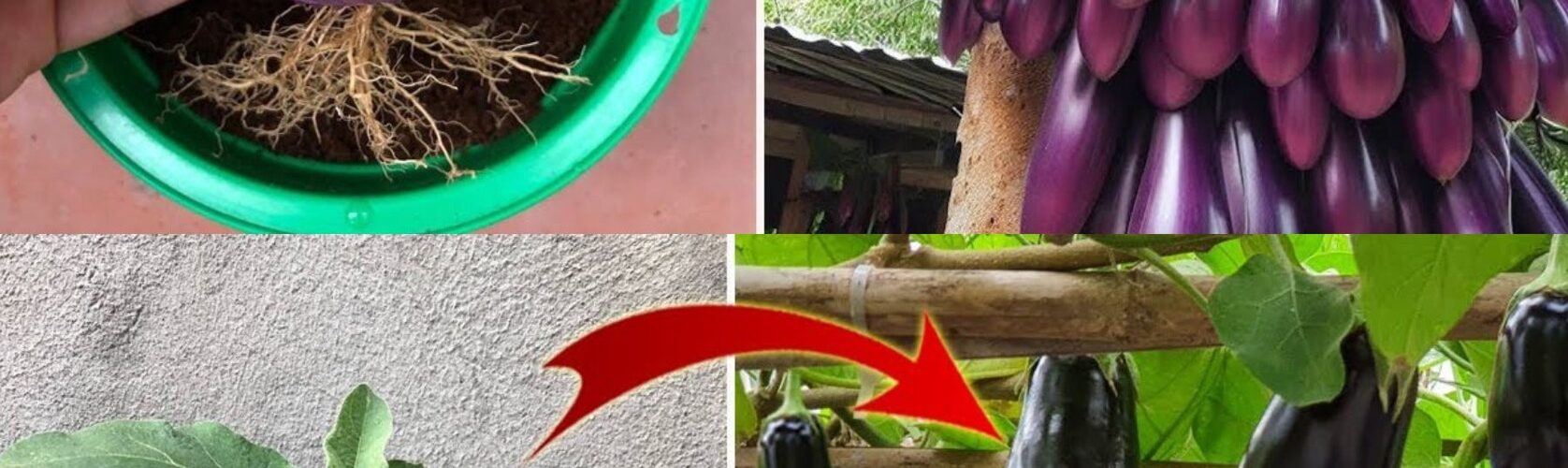
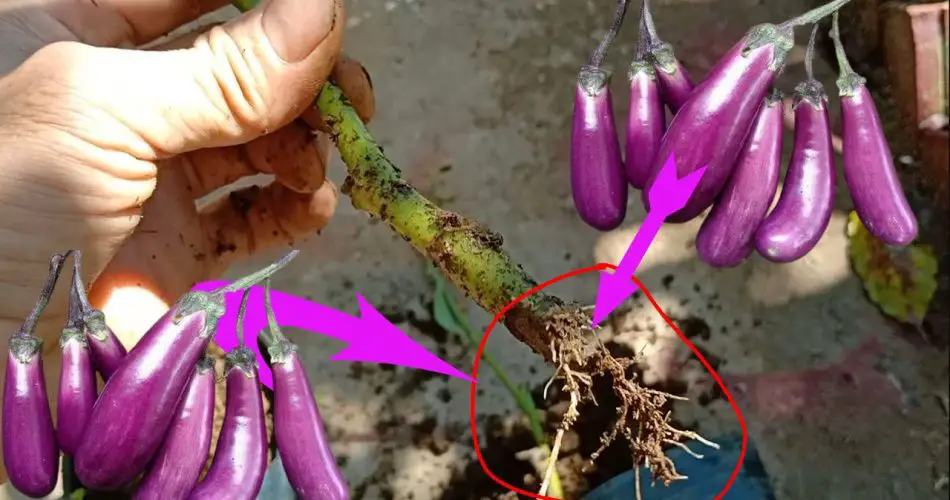
With its deep purple hue and rich, mouthwatering flavour, the venerable eggplant is an ideal plant to grow in your garden. Although the growing season for this summer vegetable is long, the wait is worth it once you’ve prepared a delicious dish from the result of your labour. Find out everything you need to know about growing eggplant below, to enjoy a healthy and bountiful harvest!
Growing Eggplants: What is this plant and how to grow it?
Eggplant (Solanum melongena) is a warm-season perennial vegetable from the nightshade family. Eggplants come in a variety of sizes, shapes, and colors. Growing them is a must if you’re a fan of outdoor grilling! These stately plants grow well and look beautiful in containers, ornamental borders, raised beds, and in-ground vegetable gardens.
Small-fruited varieties tend to bear a lot of fruit, and you can expect to pick a dozen or more from each plant during the summer in warm climates. Larger varieties, which bear more traditionally sized fruit, are as impressive in the garden as they are in the kitchen, where they can be grilled or combined with summer herbs and tomatoes in homemade stuffed eggplant.
When to plant eggplants in the ground?
Eggplants are a warm-season crop that cannot tolerate freezing temperatures. The plants can only grow in warm soil – 10°C or higher. The best time to plant them is in late spring, after the last threat of frost. They have a long growing season, so you will need to put them indoors about eight weeks before the last frost date in your area.
How to plant eggplants correctly?
You should start germinating eggplant seeds indoors about two months before the last expected frost date. Once the weather warms, you can transplant the seedlings into your garden.
Choose the location
Eggplants prefer full sun, so aim for a planting area that receives at least six hours of direct sunlight per day.
Preparing the terrain
Eggplants prefer loamy, well-drained soil with a pH between 6.0 and 6.5. If you’re not sure whether your soil is alkaline or acidic, you can test it. Adding a layer of black plastic mulch over the topsoil will help warm it up before you transplant the seedlings into it.
Transplant
Eggplants need plenty of room to grow. Transplant seedlings at least two to three feet apart, in holes about 3 inches deep, without disturbing the root ball. Cover the plants with 1 inch (1 cm) of soil.
water
Water the planting area well to allow the soil to settle.
How to grow and care for eggplants?
The following gardening tips will help your eggplants grow into healthy plants and increase your harvest by 100%:
Watering eggplant seedlings.
Eggplant needs plenty of water to grow. Plants require about 3 cm of water per week, depending on soil moisture. If the soil seems too dry, add an additional 1 cm of water. When the weather is cooler in early spring, water your plants once a week, then two or three times a week as air temperatures rise.
Consider companion planting
Eggplant is a good companion plant, meaning you can plant it near other vegetables, such as cauliflower, tomatoes, or aromatic flowers. Companion plants have many benefits, such as improved growth, pest control, and maximizing garden space.
Growing Eggplants: Use a Natural or Organic Pesticide
Eggplants are prone to pests such as flea beetles, aphids, Colorado potato beetles. Bugs or insects that bite your vegetables are an unavoidable part of your vegetable garden. For pest control, use an organic or non-invasive product. There are also many recipes to make your own natural pesticide at home.
Composting and covering the soil
The organic and biological materials living in compost activate the soil content (which includes fungi, bacteria, minerals, and more). The soil content promotes strong immunity in your plants and prolongs the life of your crops. You should amend the soil with a balanced homemade fertilizer and organic matter during the growing season to maintain even moisture.
Growing eggplant: weeds often
Weeding your garden is an essential step in good eggplant care. Make this activity part of your daily gardening routine. It’s best to work in the morning, when the soil is moist, which makes it easier to pull out weeds. This will prevent fungus or verticillium wilt from infecting your plants.
How to harvest eggplants?
Eggplants do not mature for about 100 days, but you should not wait that long to harvest them because young vegetables taste better. Be prepared to harvest about 70-80 days after transplanting. If your eggplant is 15-20 cm tall and has shiny skin, you can cut off the stem.
Harvest eggplants with a sharp tool, such as pruning shears or a small knife. Leave about 5 cm of stem on the plant so it can continue growing.