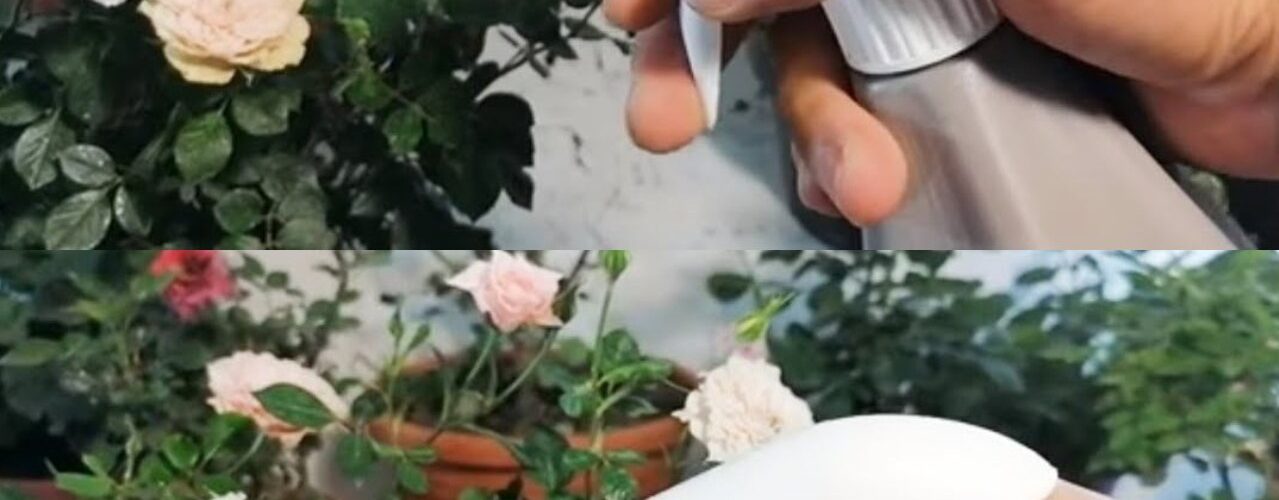

Follow the guide to learn more about how to protect your roses and enjoy a healthy, thriving garden.
1. Adopt preventive methods to protect your roses
The first step to controlling aphids is to take preventative measures.
In fact, it is easier to prevent the appearance of aphids than to fight them once they have settled on your roses. Here are some tips to avoid the invasion of these parasites:
- Choose resistant rose varieties : Some rose varieties are more resistant to aphid attacks than others. Ask your nurseryman or consult specialist catalogues to select roses that are less likely to be infested.
- Maintain your roses regularly – A healthy rose is less likely to be attacked by aphids. Prune your roses regularly, remove dead leaves and wilted flowers, and water them as needed.
- Avoid nitrogen fertilizers : Fertilizers rich in nitrogen encourage the development of aphids. Favor organic or slow-release fertilizers, which are less conducive to the appearance of these pests.
2. Use natural methods to control aphids
If, despite your efforts, you notice the presence of aphids on your roses, it’s time to act! Several natural and ecological methods can be implemented to eliminate these parasites:
- Spray a mixture of water and black soap : Black soap is a natural and biodegradable product that has insecticidal properties. Mix a tablespoon of black soap with a litre of water and spray this mixture on the aphids. Repeat the operation every two days until the parasites disappear.
- Introduce natural predators – Ladybirds, lacewings and hoverflies are all insects that feed on aphids. Introducing these natural predators into your garden can help reduce the aphid population on your roses. Ladybird larvae can be purchased online or at some garden centers.
- Use repellent plants : Some plants have the ability to repel aphids. Plant garlic, onions, mint or basil near your roses to protect against these pests.
3. Use chemical treatments if necessary
In some cases, natural methods may not be enough to completely eliminate aphids from your roses.
If you are dealing with a persistent infestation, you may want to consider using chemical treatments. However, it is important to use them with caution and respect the dosages and conditions of use to avoid harming the environment and other living organisms. Here are some chemical treatment options:Pyrethroid insecticidesThese products are derived from the pyrethrum flower and have a fast action on aphids. They are available in spray form or as a powder to be diluted in water. Be careful not to spray these insecticides on flowers to avoid killing pollinators.systemic insecticidesThese products are absorbed by the plant roots and spread throughout the plant, killing the aphids that feed on them. They are generally applied in the form of granules or liquid to be diluted in the irrigation water. Be careful, these insecticides can be harmful to natural predators of aphids and pollinators.horticultural oilsHorticultural oils are vegetable or mineral oil-based products that suffocate aphids by coating them with a thin layer of oil. They are generally less harmful to the environment and other living organisms than chemical insecticides. Apply them according to the manufacturer’s instructions.
4. Regularly monitor and adapt your aphid control strategy
The fight against aphids does not stop after the first infestation has been eliminated.
It is important to monitor your roses regularly for the presence of new pests and adapt your control strategy accordingly. Here are some tips to ensure effective monitoring and proper control:
- Inspect your roses regularly : Examine the leaves, stems and flower buds of your roses at least once a week for the presence of aphids. React quickly to an infestation to prevent aphids from spreading to other plants.
- Adapt your control strategy : If you find that aphids are resistant to one control method, try another. Alternate natural and chemical treatments if necessary, always taking care to respect the environment and other living organisms.
- Prioritize diversity in your garden : A garden made up of different plant species is less likely to suffer massive aphid infestations. By diversifying your garden, you increase the chances of attracting natural predators and limiting the spread of aphids.
Fighting aphids on your roses requires a comprehensive and tailored approach, combining prevention, natural methods and chemical treatments if necessary. By regularly monitoring your roses, adapting your control strategy and promoting diversity in your garden, you can enjoy healthy, blooming roses, protected from invasions by these unwanted pests. Don’t forget that the balance of your garden is essential to ensure the longevity of your roses and the good health of the surrounding ecosystem.