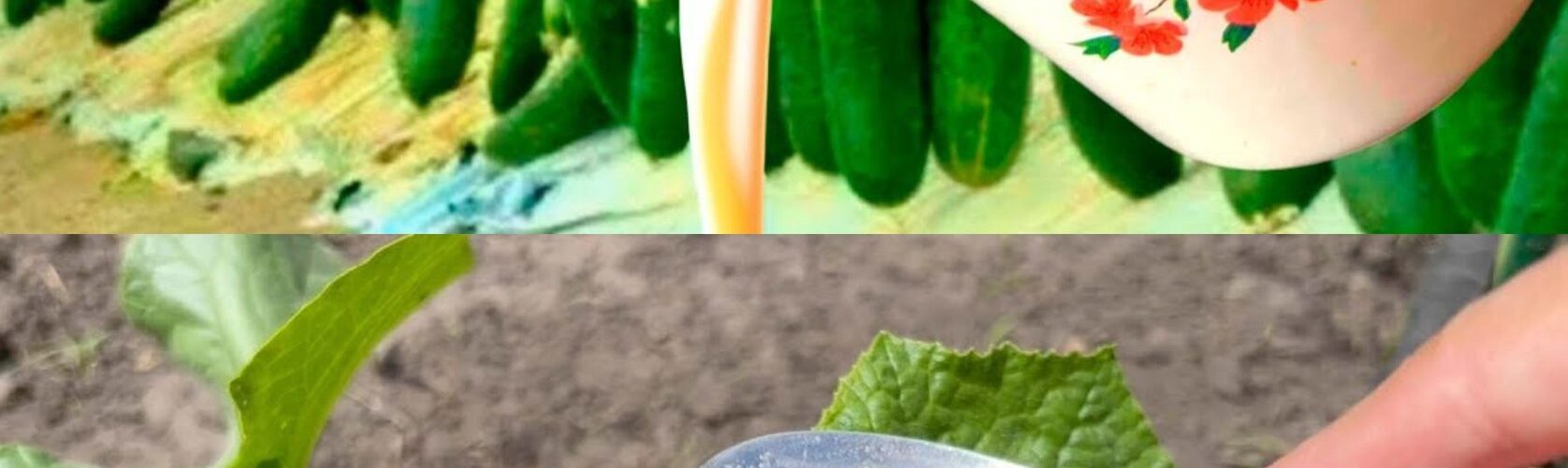

As gardeners, we are always looking for ways to keep our plants happy, healthy, and thriving. Let’s get down to the nitty-gritty: milk! Who would have thought there was such a miracle liquid in our refrigerators? That being said, using milk to water your plants isn’t about providing them with moisture. Rather, it’s about providing them with extra nutrients, repelling insects, and promoting growth with this amazing farmer’s hack. Find out all the benefits of milk in the following lines!
Watering plants with milk is very beneficial for their development. Here’s how it works!
Full of healthy amino acids, enzymes, sugars and proteins, milk encourages the growth of beneficial microbes, bacteria and fungi in our garden soil and compost piles. The liquid contains calcium, vitamin B, natural sugars and proteins, which support plant growth and health. It can be used as a natural fertilizer and/or pesticide. It helps fight viruses, aphids and fungal diseases and is a great way to clean leaves.
The first thing to remember when trying something new with your plants is: everything in moderation! While watering your plants with milk is beneficial, too much milk or any type of milk can have adverse effects.
Benefits of milk
The many benefits of applying milk to plant foliage or directly to the soil range from providing additional nutrients, keeping pests away, and preventing fungal diseases.
1. Milk is a source of calcium. Plants need calcium for healthy growth and fruit development.
2. Milk is an excellent fertilizer. It is a source of B vitamins and proteins, which promote plant health and improve crop yields.
3. Adding milk to the soil prevents blossom end rot in squash, tomatoes and peppers.
4. The white liquid acts as a natural pesticide against aphids, red spiders and thrips.
5. Milk can act as an antifungal agent to prevent and combat problems such as powdery mildew. When sprayed on foliage, the protein it contains develops antiseptic properties when exposed to sunlight.
6. Milk supports soil health. It encourages the growth of healthy microbes, bacteria and fungi.
7. This product can inhibit the growth of seasonal pathogens and deter soil-based insect pests.
What types of milk to use for plants?
You might be surprised to find out that cow’s milk isn’t the only one that’s beneficial for your plants. Here are some types of milk that can be used in the garden:
- Fresh cow’s milk (2% low fat)
- Sour milk
- Almond
- evaporated milk
- Milk powder
- Buttermilk
- Soy
Now, you can’t just add milk directly to the leaves or soil of your plants. So use an old spray bottle and mix equal parts milk and water before use.
When it comes to what not to use, it’s important to know that some types of milks are simply not suitable for your plants and garden.
Do not use : flavored milk, sweetened condensed milk, skim milk, whole milk (undiluted)
How to use milk for plants?
Indeed, a diluted milk solution can be applied to the plant in two ways. You can pour the mixture on the soil around the plant’s roots or spray it directly on the foliage. Check the leaves after half an hour and remove excess milk residue with a damp cloth to prevent fungal diseases.
Basic recipe
- 2% or low-fat cow’s milk
- Tap water
- a spray bottle
Mix equal parts milk and water (50:50 ratio). Pour into spray bottle and shake well. Apply generously to plant foliage. Wait half an hour. Remove excess mixture with a damp cloth.
How often to use plant-based milk?
When used as a fertilizer, milk is only needed once at the beginning of the growing season and again mid-season when plants are actively growing.
If you are using milk as a pesticide or fungal treatment, apply a milk solution to the leaves as soon as you see signs of disease or pests.
Water the roses with milk.
Black spot on roses is a common fungal disease. Mix a diluted solution of equal parts water and milk and use it to spray the leaves. The lactoferrin contained in milk is a very effective fungicide.
Watering tomatoes with milk.
Milk is excellent for tomato plants. It can be used as a fertilizer and fungicide.
Sprinkle half a cup of powdered milk directly onto the soil and water thoroughly. Repeat the operation every two weeks in spring and summer.
To prevent fungal diseases, mix a solution of milk and water (9 parts water to 1 part milk) and spray the foliage every three weeks in the summer.