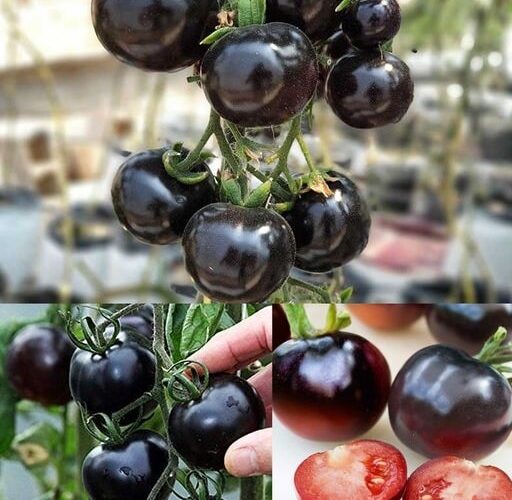
The Health Superiority of the Kumato Tomato
Richer in Antioxidants: One of the main health benefits of Kumato tomatoes is the increased levels of antioxidants, especially lycopene. The darker color of the Kumato is a testament to its higher content of lycopene, a compound known to fight oxidative stress.
Naturally Sweet: Kumatoes have a lower level of acidity, making them naturally sweeter, without the need for artificial enhancers. That sweetness isn’t just a flavor advantage; this also means that they can contribute to a more balanced blood sugar level compared to other tomato variants.
Higher Mineral Content: Packed with potassium, magnesium, and vitamin B6, Kumatoes not only boast an impressive nutritional profile, but they also contribute to better heart health.
Growing Kumato Tomatoes: A Guide
Growing Kumatoes is similar to growing regular tomatoes, but there are some specific nuances to consider for a successful harvest:
Selecting Seeds: The first step is to obtain genuine Kumato seeds. Due to patent restrictions, it can be difficult to find genuine seeds, but look for brown tomatoes or similar varieties that may be similar.
Soil Preparation: Like all tomatoes, Kumatoes prefer well-drained soil. Make sure your garden bed is enriched with compost or organic matter. A pH level of 6.2 to 6.5 is ideal for these tomatoes.
Planting: Plant seeds about a quarter-inch deep in starter pots. Once the last frost has passed and the seedlings have at least two sets of true leaves, they can be moved outdoors. Remember to give them ample space, about 2 to 15 inches apart.
Sunlight and Water: Kumatos love sunlight, so place them in a location where they will receive at least 6 to 8 hours of direct sunlight a day. Water regularly, making sure the soil always remains moist but not soggy.
Support and Pruning: As the plants grow, they may need support. Tomato cages or stakes are essential to prevent branches from breaking under the weight of the fruit. Prune the lower leaves regularly to promote better air circulation and reduce the risk of disease.
Harvesting: Kumatoes are ready to harvest when they turn a deep brown or greenish color. Unlike other tomatoes, Kumatoes will still be slightly firm when ripe.
In conclusion, the Kumato tomato is not only a gourmet addition to culinary dishes, but also a source of nutrients. If you understand its health benefits and master the cultivation process, you can enjoy this delicious and healthy variant straight from your garden. Happy gardening!