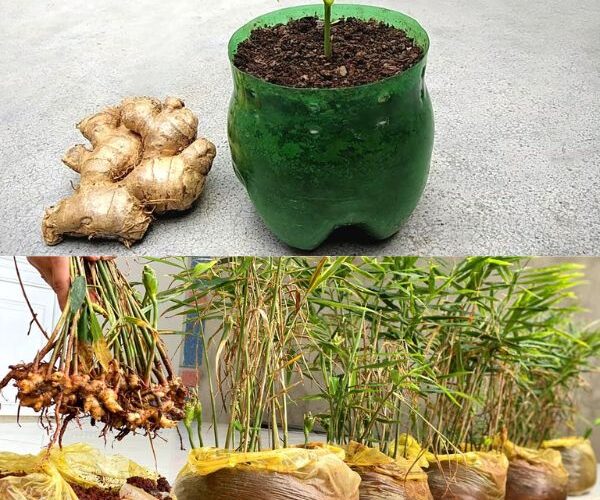
Originally from Asia, ginger is a herbaceous plant rich in vitamins and minerals. Its spicy taste is ideal for enhancing the flavour of dishes and giving them flavour. Cold, this tropical perennial plant needs a minimum heat of 10°C. It is therefore preferable to grow this rhizome in a pot. That said, learn how to grow ginger successfully to obtain a bountiful harvest.
Ginger is a vegetable plant, but also a condiment. Used to flavour dishes, thanks to its spicy taste, this rhizome also has medicinal properties. To take advantage of the benefits of ginger and obtain an organic and abundant harvest, it is important to successfully cultivate this Asian plant.
How to grow ginger successfully and get a bountiful harvest?
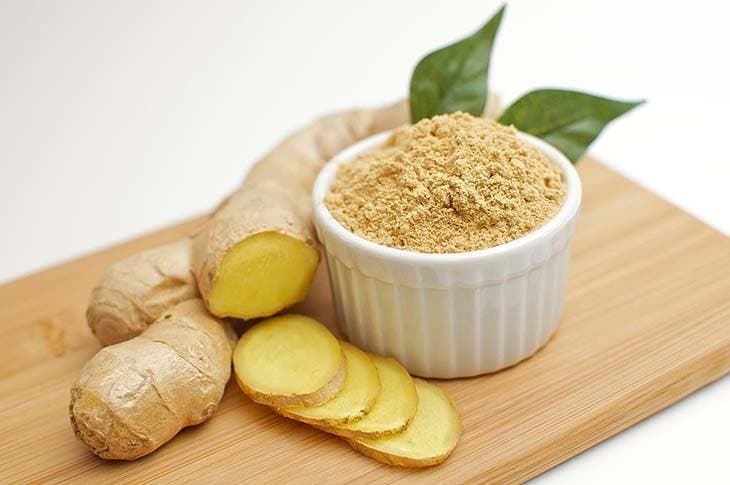
Ginger. source: spm
To grow ginger you will need rhizomes, not seeds, as ginger does not produce any. The rhizome is an underground stem that carries roots and aerial stems. To get an organic harvest, it is important to choose organic rhizomes, which you can find in health food stores. These have not been treated and can therefore germinate easily. These roots for planting should also be vigorous and not withered or stunted. Also, choose rhizomes that contain multiple growths. Your harvest will be more generous.
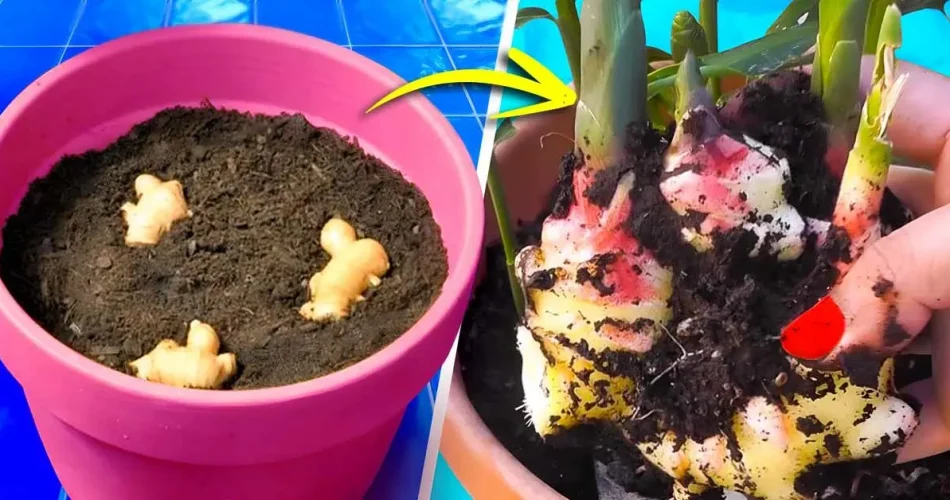
To grow ginger in a pot, it is important to choose a large container that is also deep, to encourage root development. You can opt for a planter, for example, to accommodate up to 3 ginger rhizomes per container. To promote drainage and prevent root rot, place clay pebbles at the bottom of the pot. Then fill 3/4 of the pot with a mixture of 2/3 potting soil and 1/3 river sand, then tamp it down slightly. Plant the rhizome flat, without pushing it completely into the ground. Part of the rhizome should remain visible. Then water, being careful not to leave stagnant water in the saucer.
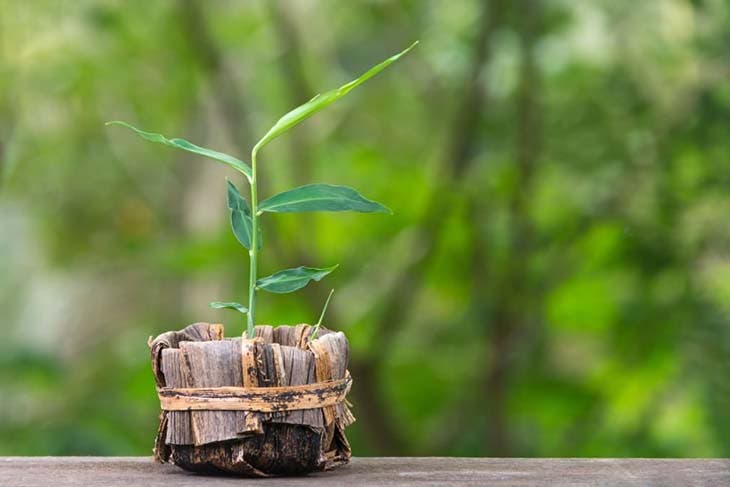
Young ginger plant in a banana leaf pot. source: spm
After planting ginger, keep the pot in a sunny and warm room , avoiding exposure to direct sunlight. Keep in mind that ginger is a tropical plant that likes heat around 25°C and constant humidity. Moderate watering is recommended if your ginger has not yet developed its roots, as the slightest excess could cause your plant to rot. Wait for the first leaves to appear and the stems to rise to water the soil more assiduously. In fact, it should not remain dry. However, avoid stagnant water in the saucer or pot.
Ginger grown indoors can be prone to mealybug attacks. To prevent this, it is advisable to air your plant as often as possible, as long as it is not cold. To do this, leave your pot in the garden or on the terrace for a few hours, especially in summer when it is not cold. In case of mealybug attack, soak a cotton pad in alcohol and wipe the leaves.
When to harvest ginger?
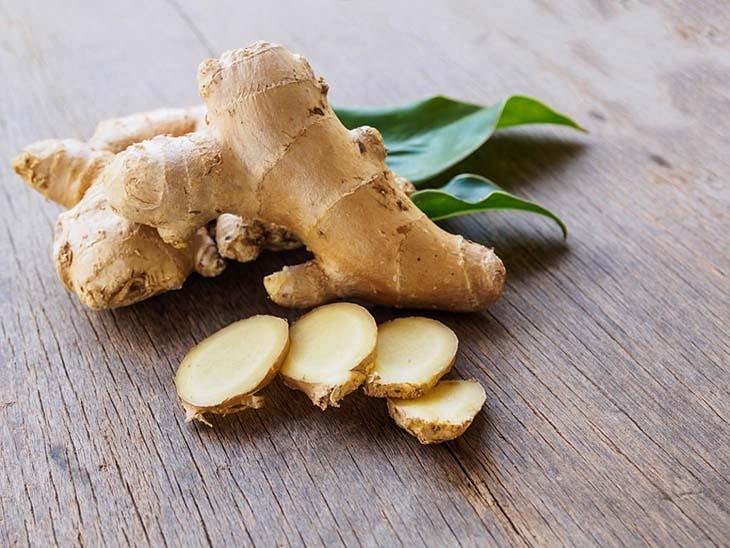
Fresh ginger. source: spm
Ginger can be harvested 9-10 months after planting. If you notice the green parts of the plant starting to dry out, you can dig up the rhizomes for consumption. For a more lemony-tasting ginger, remember to harvest it 6 months after planting.
You can also fragment harvested rhizomes to plant them for a new crop. However, make sure that each rhizome fragment contains at least one bud.
That said, by respecting the needs and requirements of ginger, you will be able to grow this spice plant and get a generous harvest, even without having a green thumb.