Do you love eating green salads? Are you ready to learn how to plant lettuce? This popular vegetable is one of the easiest crops to grow in flower beds and containers, and it’s ideal for spring harvesting. Plus, young shoots are ready to harvest about a month after sowing, and whole heads of lettuce in two months or less. Growing your own crops is an easy way to save on grocery bills and enjoy months of organic home produce.
Everything you need to know about planting spring lettuce for a salad bowl full of crunchy leaves
Lettuce is a cool weather crop and is best grown in the spring. Seeds germinate at temperatures as low as 4°C, but the ideal temperature for germination and growth is between 16 and 18°C. If you sow lettuce in batches, 10 or 14 days apart, you will get a longer harvest. To avoid summer wilting, stop planting a month before the onset of high summer temperatures. Growing lettuce from seedlings for transplanting in early spring is a good way to get a head start on the growing season.
Where to plant lettuce?
To grow excellent lettuce, find a location that provides at least six to eight hours of direct sunlight. It is possible to grow the plants in partial shade (three to four hours of sun), but in low light it is advisable to plant loose-leaf varieties that grow faster than the spike varieties. Once you have chosen your location, prepare the bed for planting by digging in an inch or two of homemade compost or aged manure. If you wish, you can also add a slow-release organic fertilizer at this time. Lettuce is sensitive to low pH. Adding lime can help bring the pH to at least 6.0.
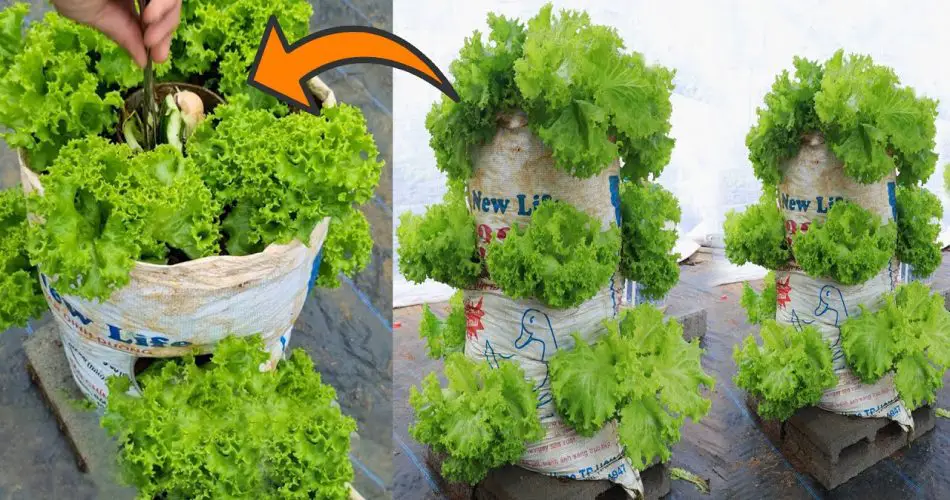
Lettuce also makes a fantastic outdoor container plant. It produces a shallow root system and can be grown in a small herb garden, window boxes, fabric pots, baskets or any other container at least 10-15cm deep and with drainage holes.
To begin harvesting lettuce, cover your beds in early spring with mini tunnels made of fabric or plastic. These capture solar energy and protect against low temperatures and frost.
How to plant lettuce seeds?
The first spring lettuces can be sown from January onwards, under cover.
It doesn’t take much work to grow these vegetables from seed. Lettuce seeds are usually quite small and only require a planting depth of 0.6 to 1.2 cm. Growing in rows gives your garden a traditional look. Consider alternating rows of green and red lettuce for a whimsical touch.
How far apart you plant your plants depends on the variety you choose. If you’re sowing spring lettuce directly into the ground, you should plant about 10 seeds per foot. Space your rows 12 to 18 inches apart. The ideal distance between leaf lettuce seedlings is 4 inches; for romaine and head lettuce it should be 6 to 8 inches. The dug-up seedlings can be transplanted or eaten as delicious, tender microgreens.
Head lettuce is usually grown from seed that is started indoors for a spring garden. Transplant this variety in rows 25-30 cm apart, with 30-45 cm between each plant.
Lettuce transplant
When transplanting lettuces into garden beds or containers, I usually plant in a grid pattern, spacing each plant about 15cm apart. This is where you can have a little fun if you’re growing multi-coloured varieties. You can stagger the colours to create a checkerboard pattern.
If transplanting in rows, space seedlings 10 to 12 inches (25 to 30 cm) apart and rows 12 to 18 inches (30 to 45 cm) apart, depending on the mature size of the variety. Check your seed packet label for specific spacing instructions.
Sowing lettuce in succession.
Wondering how to plant lettuce to have a really long harvest season? The secret is succession planting! The last one is simply sowing seeds at different times.
Successive crops come from additional lettuce seeds that you can sow every two to three weeks from early January through early summer. Finally, by sowing during spring or fall, you’ll get an uninterrupted harvest of high-quality greens.