Vegetables are an important source of fiber and vitamins for the body, especially when they are fresh and organic. To avoid consuming vegetables contaminated by pesticides, consider growing them in your garden or on a terrace, even if you don’t have a vegetable patch. Find out which vegetables you can grow at home in pots.
Even without a garden, you can grow some vegetables at home. A planter, tubs or pots are enough to grow fresh, organic vegetables.
What vegetables to grow in pots?
Tomatoes
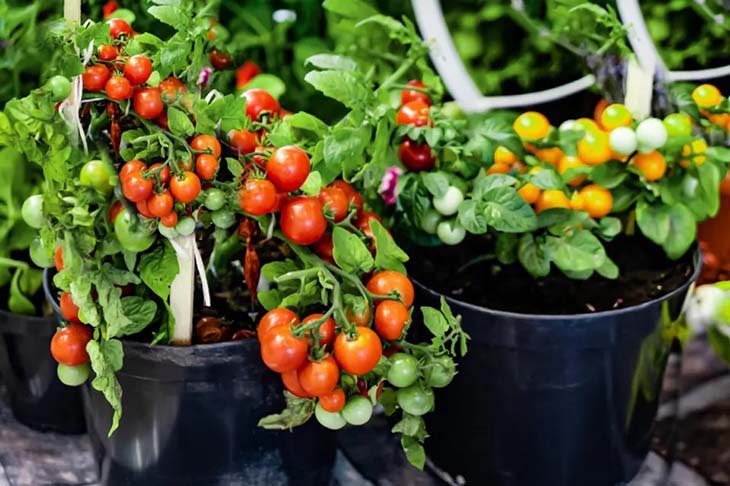
Tomatoes can be grown in pots. Therefore, they will easily find their place on your balcony. Just make sure to dedicate a wide and deep pot to them, as the roots need space for healthy tomato plants to grow. The choice of substrate is also important, as tomatoes need sufficient nutrients to grow.
Water the soil as soon as it starts to dry out, without letting water stagnate in the saucer or cup. Tomatoes like lots of sun, so keep your pot in a sunny spot, sheltered from the wind.
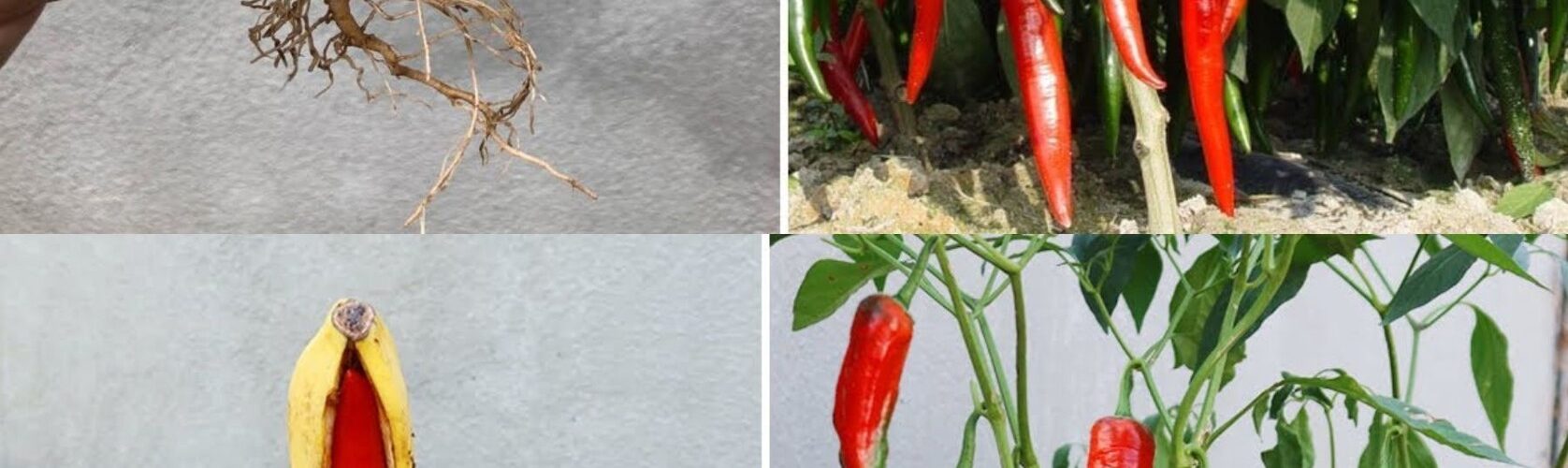
The chili
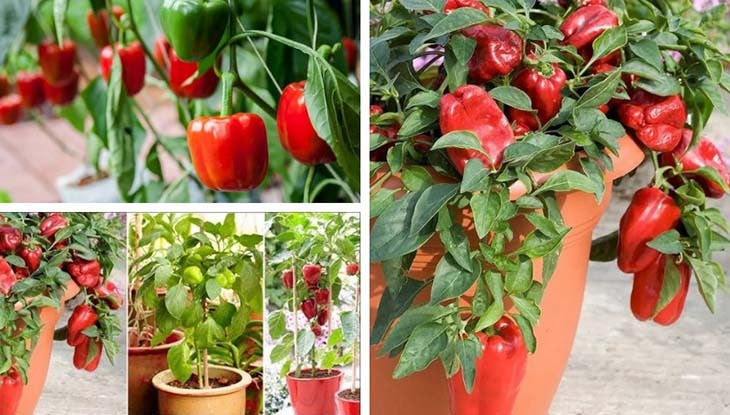
All varieties of bell pepper can be grown in pots. To do this, first sow the seeds in pots at the end of February, and remember to transplant the seedlings into pots after 60 to 90 days from sowing. Prefer a pot with holes in the bottom to allow better drainage of the substrate. Water the soil as soon as it dries out, avoiding excess moisture so that the roots do not rot. Peppers are particularly greedy plants, so remember to fertilise them every 2 weeks during their vegetative growth period. Keep your peppers in a sunny spot and away from cold and draughts.
Please note that aphids can attack your plants and therefore consider rinsing the leaves of your plant to get rid of them.
Zucchini
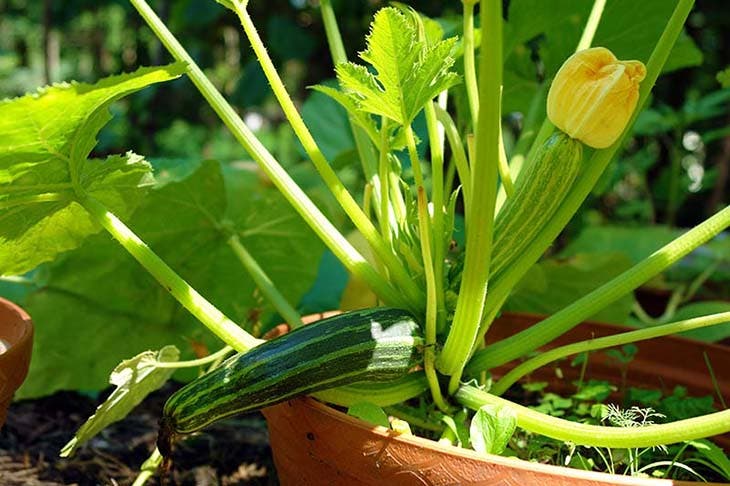
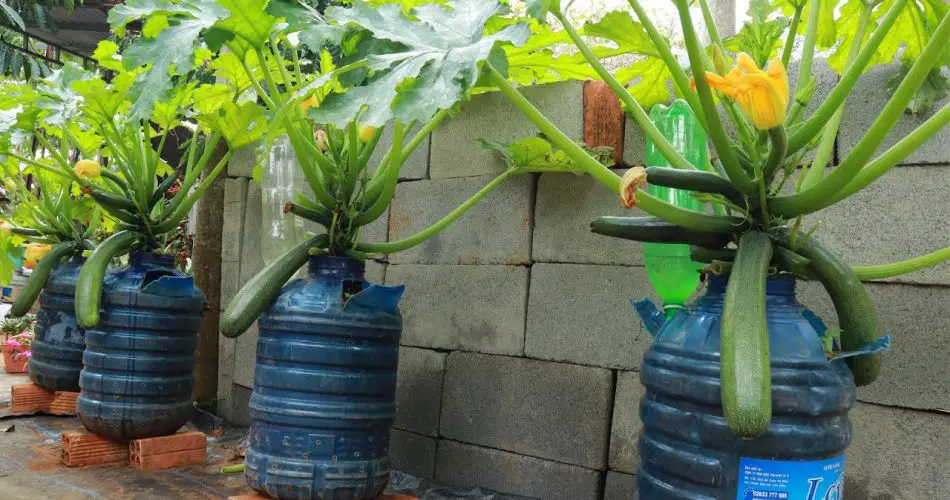
To enjoy fresh zucchini, grow them at home in pots. Choose non-runner varieties that are more suitable for growing in pots, as they require less space than runner zucchini.
Keep your vegetable plant in the sun, but favor partial shade during the hottest hours.
Water the base of your zucchini with a watering can to avoid wetting the leaves, as this encourages the development of certain diseases such as mildew.
By keeping zucchini on the balcony, they will be less likely to be attacked by slugs and snails.
The radishes
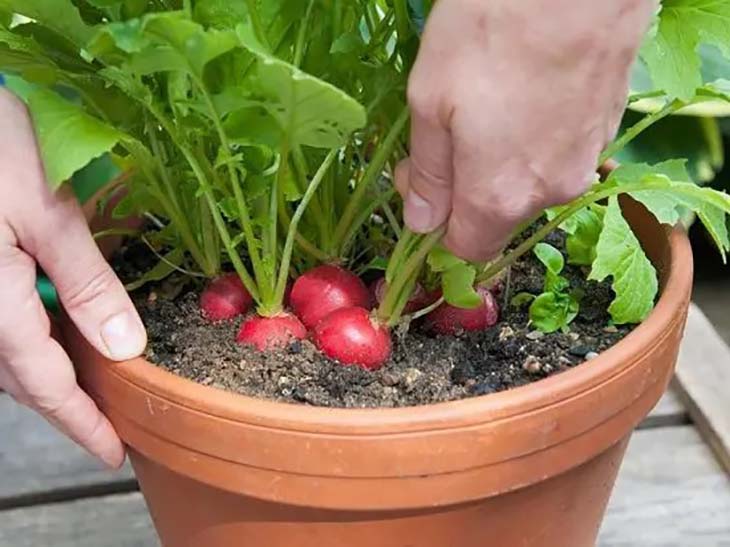
This crunchy and healthy vegetable is very easy to grow. To grow well, radishes simply need moist, light soil without stones.
Radish grows quickly, as you can get your first harvests after just 3 weeks. In pots, favour round varieties that require less height. Radishes do not like high temperatures, so keep your pots in the shade in summer.
Lettuce
Lettuce grows very quickly and can be harvested often to prepare your salads. To sow it, prefer spring, because lettuce does not resist frost. Choose a large square container to leave a space of about 10 cm between each planting.
Peas
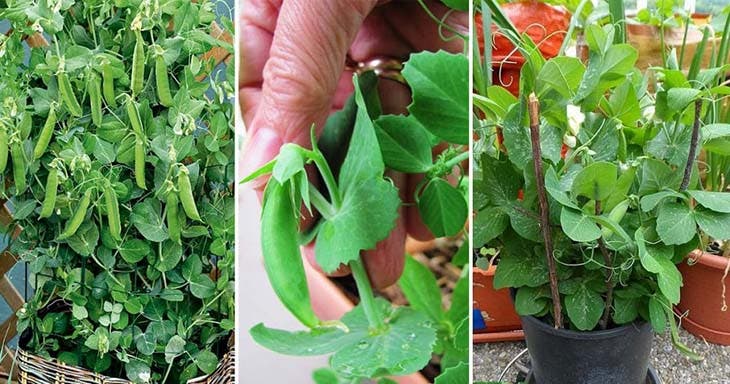
Growing peas in pots is easy, as this vegetable does not need special care. The pot must be deep enough and preferably made of terracotta to allow good aeration of the substrate. Also prefer a tall pot to protect your seedlings from birds. The substrate must be well-drained, light and fresh. Do not pack it too much to allow your peas to better spread their roots. Also, remember to enrich the substrate with compost because peas appreciate rich soil.
Leave your peas exposed to natural light, being careful not to overheat, and water them regularly, but lightly to keep the soil moist.
The carrots
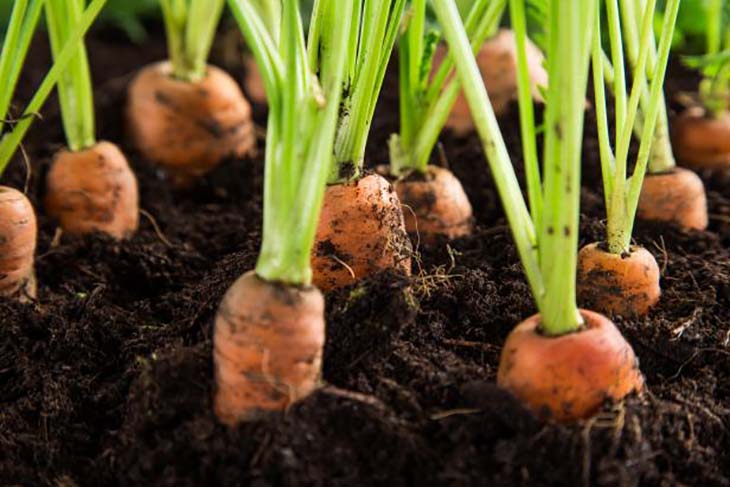
Carrots can also be grown in containers, as long as you choose the right variety. In fact, small varieties are better suited to growing in pots. Choose a wide and deep pot because the roots need room to grow. You can add fertilizer to the potting mix, but choose a fertilizer low in nitrogen because this nutrient promotes the growth of leaves rather than edible roots.
This list is not exhaustive, because you can grow other vegetable plants at home, such as eggplants, cucumbers, spinach or garlic. You can also grow aromatic plants at home, such as rosemary, sage, thyme or even mint, to perfume your interior and add flavour to your dishes. All you need to do is know the growing conditions of each plant.
Thanks to these tips, growing vegetables will no longer hold any secrets for you.