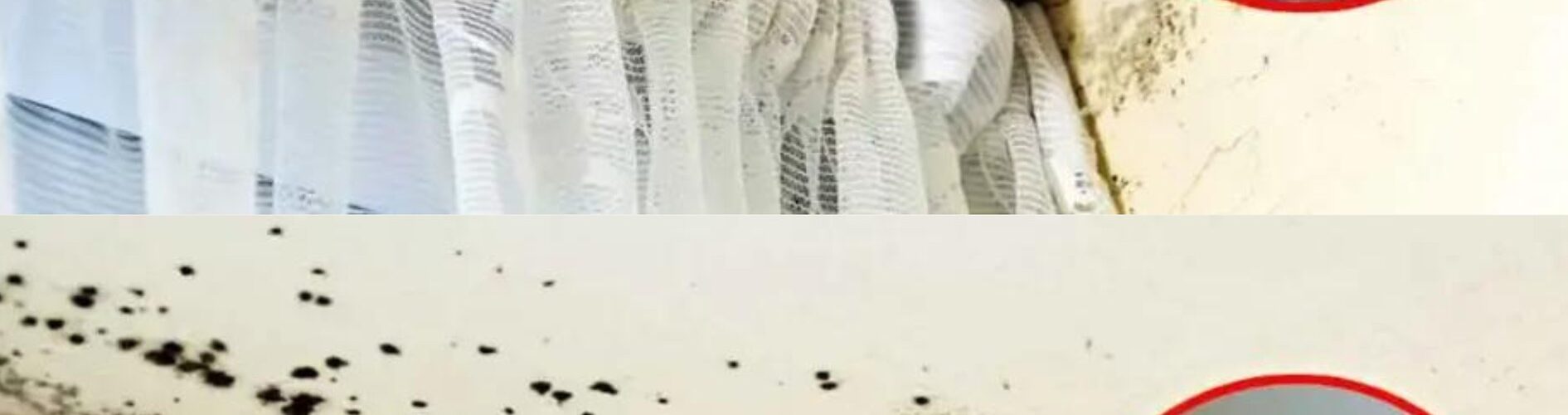
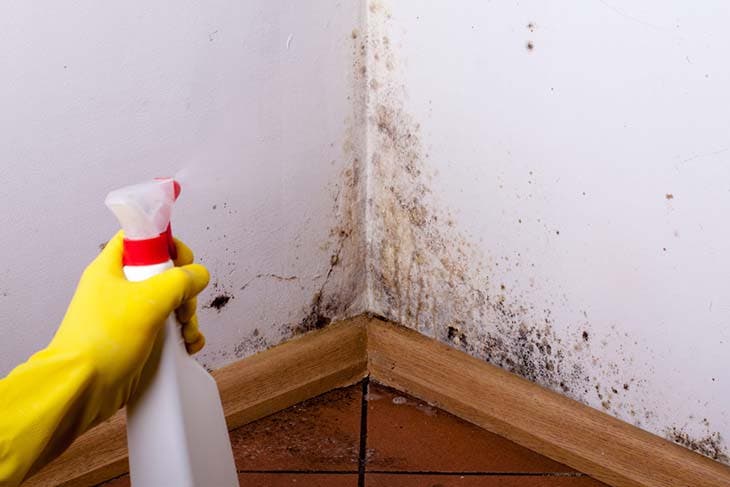
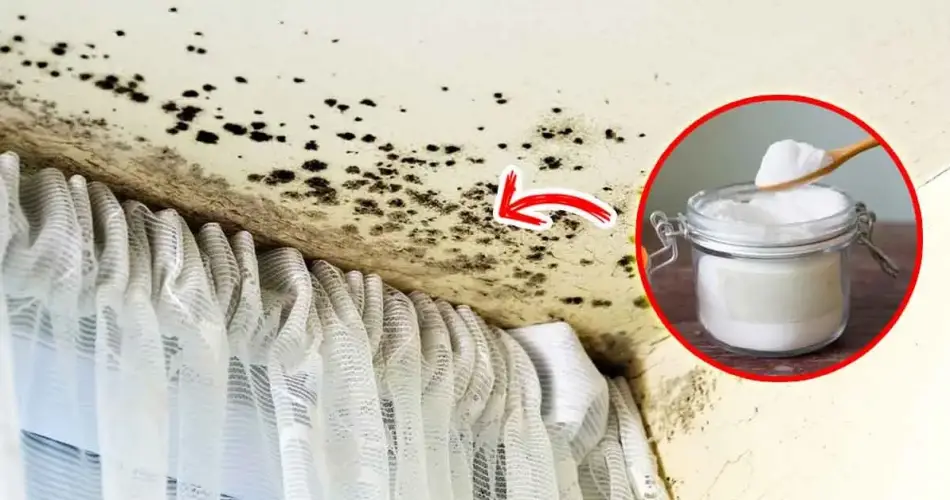
Mold is a problem that affects many homes. Beyond its unsightly appearance, molds cause respiratory allergies, especially when its spores are inhaled. However, there are simple and effective solutions to defeat these microscopic fungi, without using toxic products, such as bleach. Discover these 4 home solutions to permanently remove mold from walls.
Molds affect damp and poorly ventilated places. They can be recognized by their musty smell and the presence of black or greenish spots. Mold can affect walls, but also ceilings and window sills.
How to permanently remove mold from walls?
- White vinegar
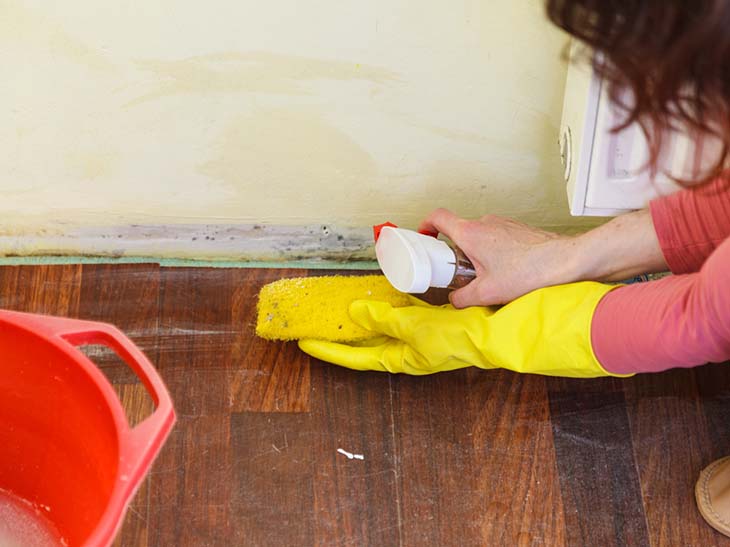
This natural household product is very popular for maintaining your home and removing mould. You can use it without fear on all the walls of your home, as it does not emit toxic fumes. Simply pour white vinegar into a spray bottle and spray it on the walls affected by mould. Leave it to act for 5 minutes and wipe the walls with a microfibre cloth.
- Tea tree essential oil
This essential oil is effective in combating mould thanks to its anti-fungal properties. To do this, mix 100 ml of white vinegar with 12 drops of tea tree essential oil in a spray bottle. Spray the solution on the walls, leave it to act for an hour and wipe it off with a dry cloth. If the stains are persistent, renew the operation by adding a few drops of lemon juice to your bottle, which is also a natural fungicide. Then ventilate the room to remove the smell of the solution and dry the walls thoroughly.
- Sodium bicarbonate
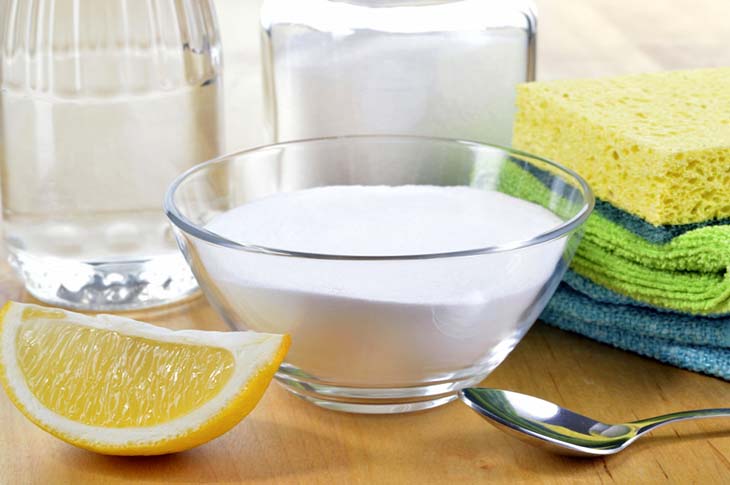
This essential cleaning product is very effective for cleaning walls from mould stains. To do this, mix 200 ml of water with a tablespoon of baking soda in a spray bottle. Shake the bottle well and spray the solution on the areas to be treated. Then rub the stains with a sponge or an old toothbrush. Do not hesitate to repeat this operation in case of difficult stains. For difficult stains, do not hesitate to moisten them again with this solution. Leave the solution on the wall for a few minutes and rinse with a damp towel. Ventilate the room to dry the walls, as humidity is the cause of mould.
- Hydrogen peroxide
Thanks to its anti-fungal and antibacterial properties, hydrogen peroxide removes mold without harming the environment and without leaving toxic residues. However, it is a corrosive product, so handle it with care. Its use is simple. Simply spray this product on the areas of the wall affected by mold. Let it sit for a few minutes and wipe the wall with a clean cloth.
How to prevent mold on walls?
After removing the traces of mould on your walls, it is important to take appropriate measures to avoid humidity problems that cause the development of these microscopic fungi. Keep in mind that excess moisture not only generates mould, but also damages walls. In fact, when a wall is damp, paint crumbles and wallpaper is damaged and peels off.
It is therefore advisable to ventilate the house daily to renew the air inside, eliminate excess humidity and prevent condensation from forming on the windows . If the humidity in your home is high, you can use a dehumidifier .
Also check for water leaks. In fact, water leaks from pipes or appliances such as dishwashers or washing machines encourage moisture in the walls. Also check for water leaks in the walls. Since the structure of the walls is porous , moisture easily infiltrates from the outside, especially if the insulation of the house is poor. This in effect reduces the impermeability of the walls.
Also, if you have a cellar, don’t forget to check for capillary rise. This means that humidity rises from the basement, or even from the ground, towards the walls.
Thanks to these 4 tips, you will effectively and permanently eliminate the mold that damages your walls and irritates your lungs.