Humidity causes many problems in the house. It causes the appearance of microscopic brown or greenish fungi, which leave a bad smell of humidity. To overcome this inconvenience, you can use indoor plants. These are useful for decorating the house but not only. Some plants are even good at absorbing moisture. Since the bathroom is a very humid part of the house, find out which indoor plant you can place next to the shower to absorb moisture.
Indoor plants have many virtues. While some are effective at purifying the ambient air of toxins, others have the particularity of absorbing moisture from the air and thus regulating the humidity of a room. These plants can be kept in the bathroom, to prevent humidity from causing mold.
What plant should we have in the bathroom to absorb moisture?
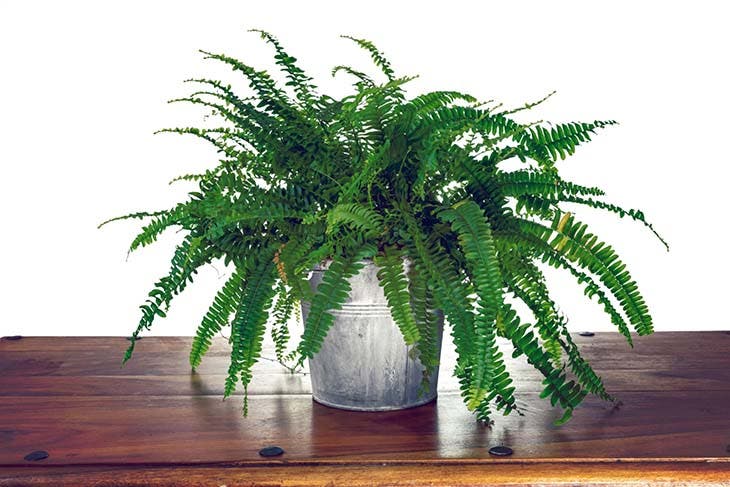
The most effective indoor plant for absorbing humidity is the Boston fern, also called Nephrolepis exaltata. This tropical plant thrives in humid climates. The Boston fern also has the particularity of balancing indoor humidity. That said, keep your Nephrolepis in the bathroom, near the shower, so that it absorbs moisture from the air and thus regulates the humidity of this humid room in the house.
Boston Fern – Source: spm
The Boston fern is an evergreen perennial plant. This ornamental plant is also very hardy and can live for a long time. It is therefore suitable for people who do not have a green thumb. In addition to its ability to absorb moisture, the Boston fern is known for its decontaminating properties. In fact, it purifies the ambient air by absorbing volatile organic compounds, in particular xylene and formaldehyde, released by cleaning products, carpets or paints.
To care for your plant, expose it to indirect light and keep it away from drafts. Note that if you decide to place it in the bathroom, the latter must have a window to let in daylight. If you expose your plant to direct sunlight, the fern’s leaves, called fronds, may discolour. Also, make sure to keep the soil moist, but not soggy, to prevent the roots from suffocating. Also, fertilise your plant with liquid fertiliser diluted in irrigation water every two months, between March and the end of October. Since the Boston fern appreciates acidic soil, avoid watering it with hard water.
The fern is certainly resistant to parasitic attacks, however, it can be invaded by thrips or red spiders if the air is very dry.
What other indoor plants can you have in the bathroom to avoid humidity?
In addition to the Boston fern, other tropical plants also have dehumidifying properties and can be placed in the bathroom. Additionally, the warm, humid environment of the bathroom reminds them of their natural tropical environment in which they thrive.
- Spathiphyllum to absorb moisture
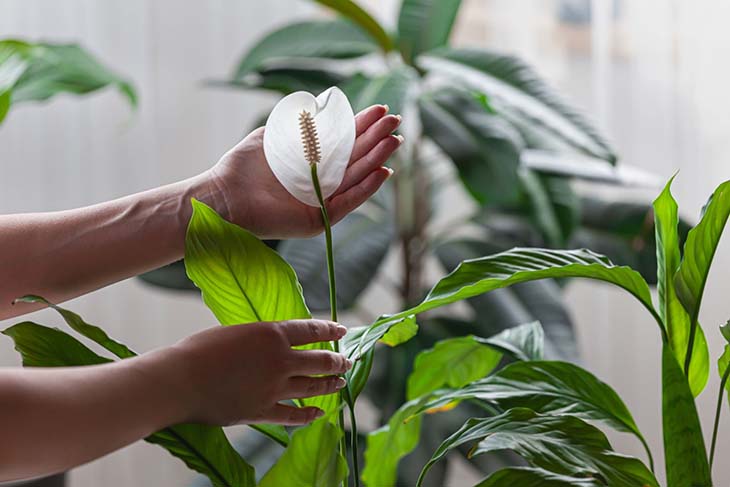
The peace lily – Source: spm
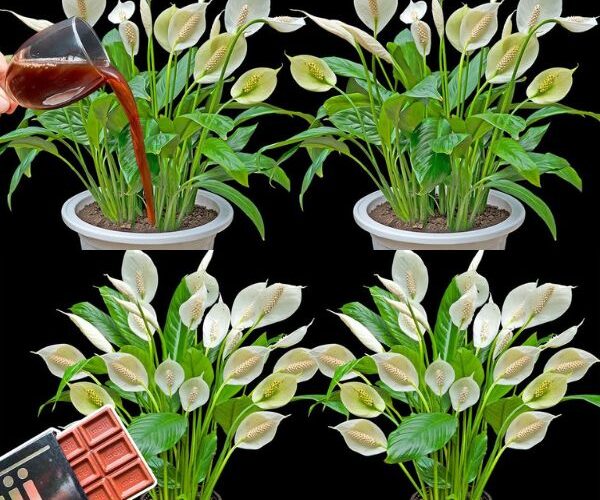
Also called peace lily, spathiphyllum is a perennial indoor plant that absorbs moisture through its foliage and thus prevents the appearance of mold. Very easy to care for, this plant only needs a little light, in addition to regular but light watering.
- Aloe vera to prevent moisture
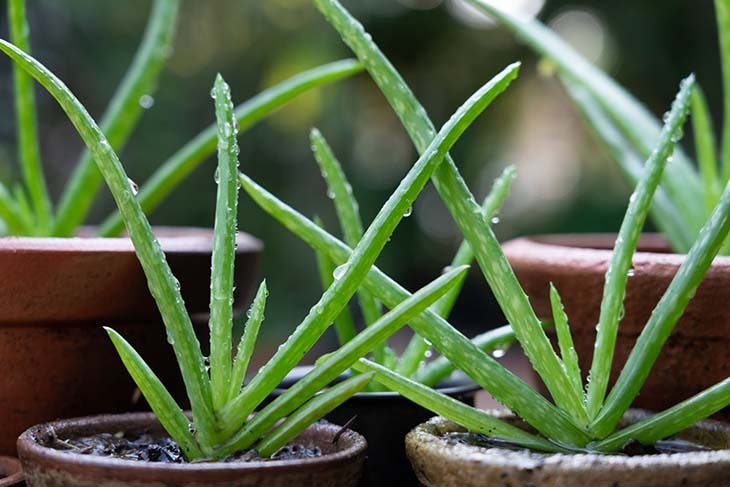
Aloe vera – Source: spm
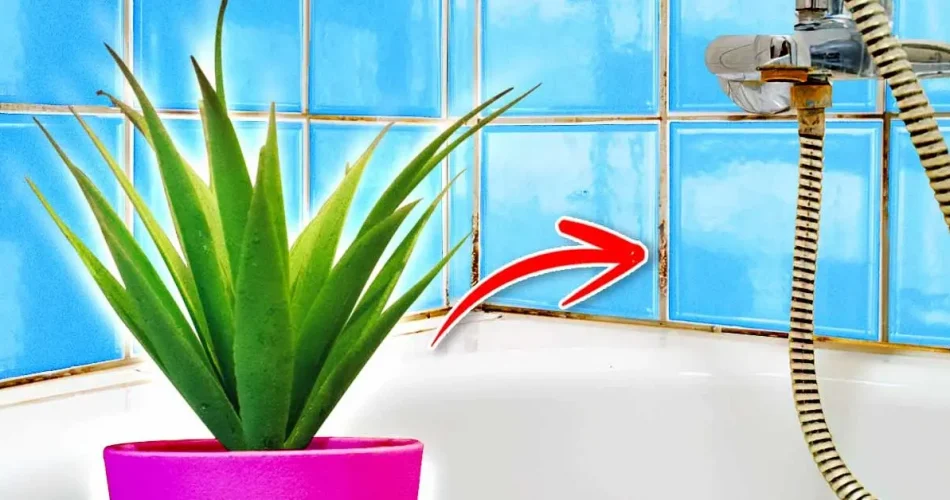
Aloe vera is an effective indoor plant for purifying indoor air from toxins, as well as absorbing stagnant moisture. This succulent plant is easy to care for and can withstand high temperatures.
- Climbing ivy to eliminate stagnant moisture

Ivy – Source: spm
Climbing ivy is a decorative perennial appreciated for its dehumidifying action. When this vine is suspended, it helps absorb rising moisture, as well as eliminating mold. Ivy needs little light. On the other hand, the soil must always remain moist.
In addition to these plants, dwarf palm, orchid, ficus or tillandsia are also indoor plants that you can have near your shower stall, to eliminate excess moisture and thus prevent the appearance of fungi.