
What a joy to have them with us! Symbols of elegance and femininity, roses are among the most popular plants. Their colour varieties represent love, friendship and gratitude and bring a warm touch to our garden. However, successful flowering depends on the attention we give to our plant on a daily basis. Here are some maintenance and watering techniques that will give a second life to your flowers according to the advice of Alain Tur, gardener in Haute-Garonne.
To preserve the decorative characteristics of a rose bush, simple precautions must be taken. They take into account the essential parameters for its growth, such as its environment, its exposure, its fertilization and its irrigation.
Do roses require special watering to keep them in perfect condition?
The topic of watering is arguably the culmination of any plant care process. Underwatering and, conversely, overwatering can be detrimental to your flowers and plants.
– Water at the right time according to the season for good rose growth.
In spring and summer, the rose bush is undoubtedly the most popular flowering shrub. It is difficult to choose one given its many facets. In fact, this flowering plant is available in various sizes, from a few centimetres to several metres, and can be grown in the garden. Used in a pot, in the border or in the background of your outdoor area, the rose bush will make you enjoy its foliage, all its scents, shapes and colours if you choose several varieties. If you plant it well, it will be easy to maintain and you will even be surprised by the number of flowers that grow each year.
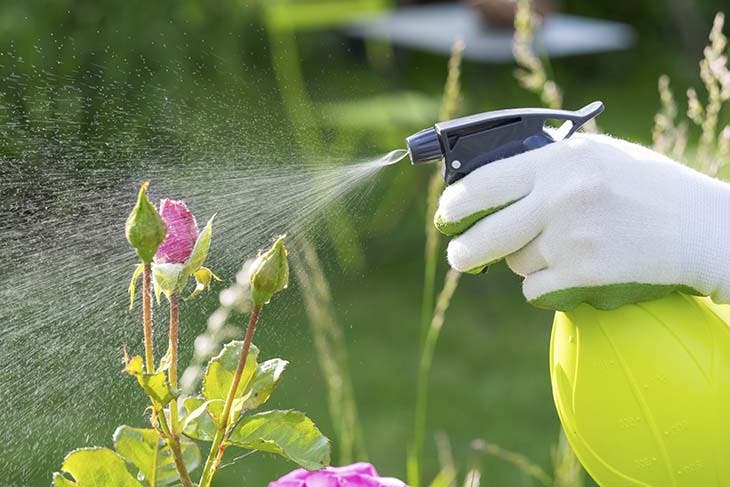
In general, roses have a root system that develops deep in the soil. This is why they do not need much water. However, watering should be more abundant during periods of high temperatures. However, the soil should not be sandy, otherwise it may retain too little water. Unlike plants in the ground, which only need to be watered once a week, roses in pots require several waterings per week. However, it is advisable to take into account the weather conditions and regularly insert your finger a few centimetres to check whether the soil is not always moist.
– Mulching, a natural irrigation alternative
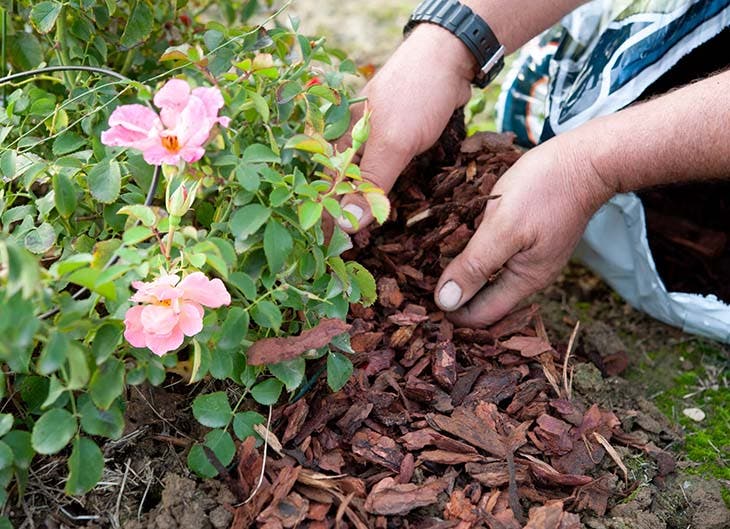
To obtain a moist and fresh soil over time, you can opt for a mulch that provides your plant with all the minerals it needs and reduces the frequency of weeding at the base of the rose bush. To obtain beautiful foliage, do not neglect this technique that is very beneficial for the soil of your rose bush. Every year, you can provide it with natural fertilizers such as compost, decomposed manure. By opting for mulching, its water will be better conserved and evaporation will be limited. As it provides nutrients to the plant, mulch protects the plant and regulates its temperature, which contributes to its development. By adopting this method, you will reduce the frequency of watering by half.
– Cut roses require abandonment watering

Cut roses are perfect for making a pretty bouquet in a vase. They are also useful when making a cutting at the end of flowering. This is why it is essential to maintain them by paying close attention to their hydration and exposure. Avoid exposing your roses to direct sunlight, which can spoil them too quickly. To preserve their wonderful petals, it is necessary to provide them with more water. The vase that contains them must not only be kept clean but must be filled up to the height of the stems. To avoid ending up with wilted flowers, it is essential to periodically change the water in your vase and prune the stems for better hydration. To give more liveliness to your roses, it is necessary to ensure a balanced pH in the water. To do this, put an aspirin in your vase before putting your roses in it, a great old trick.
To prolong the life of your garden flowers or potted roses, special attention must be paid to watering. Since water is a vital necessity for all plant species, it is essential to master the methods and frequencies of watering. By doing this, you will get beautiful fresh roses in perfect health!