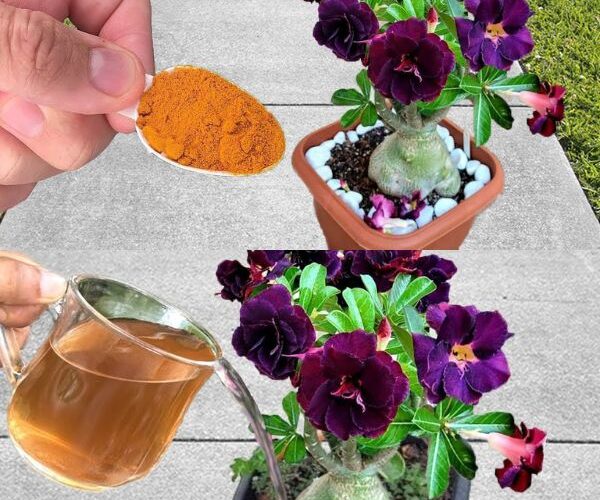
Cinnamon is a delicate spice that we gladly use in cooking to add a fragrant aroma to our pastries and enhance the flavour of our dishes. But, for those who don’t know, it is also very popular in the world of cosmetics, but also in gardening. You can count on this brown powder to preserve the health of your plants. How to use it effectively in your garden? A quick summary of the benefits of cinnamon for gardening.
What are the benefits of cinnamon in the garden?
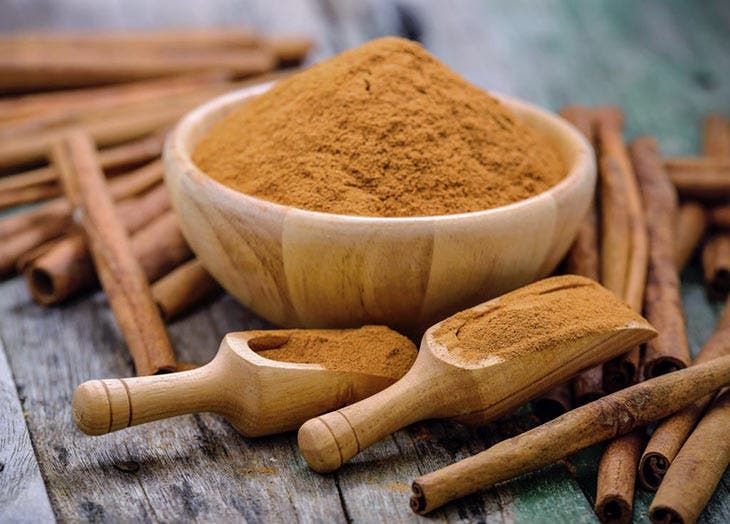
Cinnamon in a bowl – Source: spm
Repel mosquitoes and ants
Both woody and sweet, cinnamon gives off a heady, warm scent. Many of us appreciate its pleasant, refined smell. But this is not the case for insects, who, on the contrary, find it strong and repulsive. Mosquitoes, for example, hate it. This is a great help for you: if you want to scare them away from your surroundings, simply place a few pieces of cinnamon around the house or sprinkle some on the terrace, windowsills and garden. Mosquitoes will no longer bother you!
Insect repellent of choice, the smell of cinnamon is also toxic to ants. If you want to get rid of it once and for all, you can sprinkle it around your pantry in particular, as well as in places where anthills nest. As an added bonus, since it is a natural repellent, it is a non-toxic remedy for the environment!
Regenerates damaged plants and fights fungi
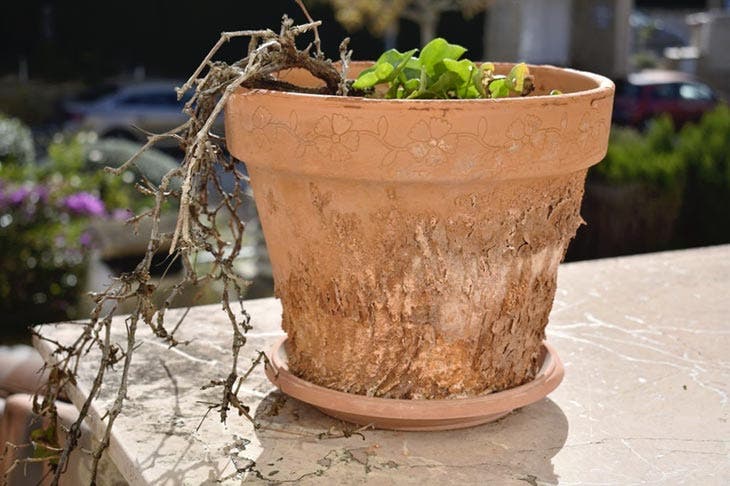
A damaged plant – Source: spm
Who would have thought, but when it comes to treating your sick plants, cinnamon has an unexpected power! In fact, this spice has a healing and regenerating effect. Especially when pruning, spray it generously on a sick plant and it will heal much faster. Even better, this spice is even known to prevent plant diseases.
Thus, being a natural antifungal, if you put a little cinnamon on the ground, around the base of the plant, you will prevent the appearance of fungi that ravage your crops.
Good to know : Cinnamon is also useful when we accidentally damage a healthy plant. Ideally, sprinkle it with ground cinnamon in the morning. This will speed up the regeneration process and prevent fungal growth.
save the seeds
Cinnamon also helps you when planting seeds for seedlings or when cutting part of the plant to create cuttings. Sprinkle a little cinnamon on the soil to enrich rooting and above all to prevent the seeds from becoming infected with fungi or other dangerous bacteria.
Cinnamon will thus protect the seedlings which will grow in better conditions. Keep in mind that mold spores can attack the seedlings due to high humidity. This is where the fungicidal action of cinnamon comes in to prevent this invasion.
When you cut a twig to help the old plant flower and the new one take root, it would be a good idea to sprinkle the cut area with cinnamon. This will protect it from mold and facilitate its growth.
Keep a bouquet of flowers
How to preserve a bouquet of flowers you just received? To make it last longer, cinnamon is the ally you need! Simply put a little powder in the water in the vase and you will delay the premature aging process. As a bonus, your flowers will give off a delicate and very pleasant scent.
Cinnamon, an anti-mold weapon
A spoonful of cinnamon – Source: spm
As mentioned above, this spice effectively fights mold and fungus. If you want to eliminate them permanently to prevent your plants from getting sick, we have a powerful remedy to offer you.
You will need half a litre of water, two tablespoons of cinnamon and two tablets of aspirin powder. Put the ingredients in a bowl, mix well, let it sit overnight and drain the next day. Then, dip the cuttings into the remaining mixture in the bowl.
Why is this duo particularly ingenious? On the one hand, aspirin will stimulate root growth, on the other, cinnamon will prevent and eliminate diseases caused by the presence of fungi and molds.
NOTE : Excess mixture should be discarded as it quickly loses its properties.