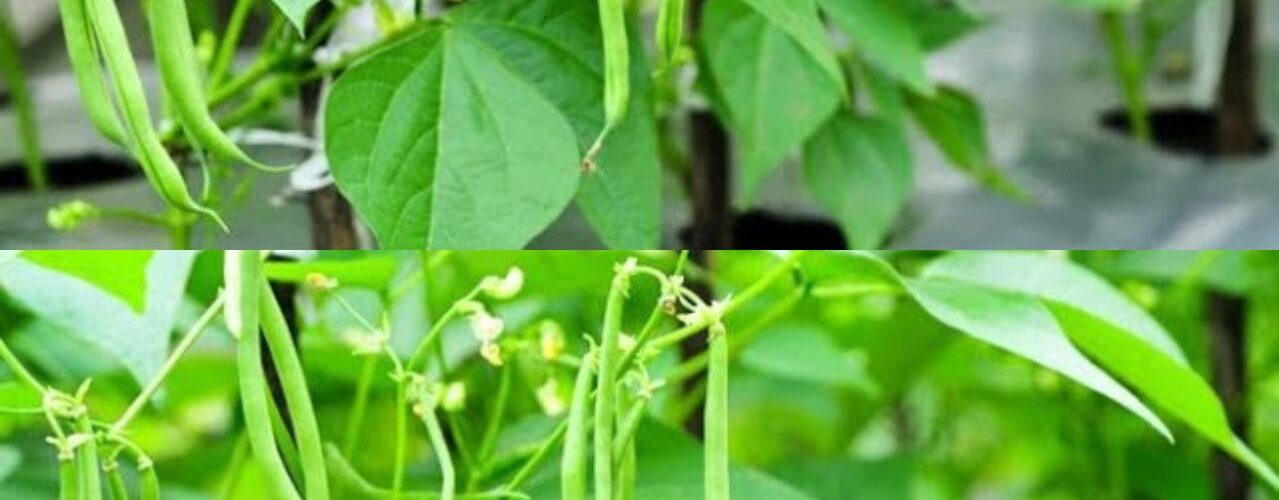

1. Choose the right variety of green beans
There are many varieties of green beans, and choosing the right one for your garden is key to a bountiful and tasty harvest.
The varieties differ mainly in size, color and shape. Among the most popular are:
- Dwarf green bean: does not require support to grow and is ideal for small spaces or container crops.
- Green climbing bean: needs support to climb and can reach several metres in height. It is generally more productive than bush bean.
- Purple green beans: have an attractive purple color and a slightly different flavor than other varieties.
- Butter Bean: It has a softer texture and a slightly sweet taste. It is also less fibrous than other varieties.
Before choosing your variety, consider how much space you have, how much time you have to care for your plants, and your flavor preferences.
2. Prepare the land for growing green beans
Green beans grow well in light, well-drained, fertile soils.
To prepare the soil, follow these steps:
- Enrich the soil: Green beans need soil rich in organic matter to grow well. Add compost or well-rotted manure to your soil a few weeks before planting.
- Ensure good drainage: If your soil is heavy and retains too much water, add sand or gravel to improve drainage.
- Test the pH: Green beans prefer slightly acidic to neutral soil, with a pH of 6 to 7. Test the pH and adjust if necessary with lime or sulfur.
- Remove weeds: Remove weeds from the planting area to prevent competition with the green beans.
3. Sow and plant green beans
Green beans need warmth to germinate, so it is important to sow them after all danger of frost.
Follow these tips to sow and plant your green beans:
- Plant at the right time: Green beans need warmth to germinate, so wait until the soil temperature reaches at least 15°C before sowing. This is usually late spring or early summer.
- Respect planting distances: plant green bean seeds at a distance of 5 to 10 cm between each seed and 40 to 60 cm between rows. For climbing beans, provide support near the seeds.
- Water regularly: Green beans need moist soil to germinate. Water regularly until germination, then reduce watering to prevent root rot.
4. Maintain and protect green bean plants
To achieve a bountiful and healthy harvest, it is important to maintain and protect your green bean plants.
Here are some tips :
- Water regularly: Green beans need water to grow, especially during the flowering and pod formation period. Water regularly, but avoid excess water which could promote disease.
- Mulch: An organic mulch, such as straw or wood chips, helps conserve moisture, regulate soil temperature and reduce weed growth. Apply a mulch about 2 inches thick around your green bean plants.
- Protect your plants from pests: Green beans can be attacked by various pests, such as aphids, slugs and snails. Monitor your plants regularly and use biological control methods or appropriate treatments in case of infestation.
- Stake Pole Beans: Pole beans need support to grow. Install stakes, trellises or netting to allow your plants to climb well and support the weight of the pods.
- Practice crop rotation: To prevent disease and depleting soil nutrients, change the location of your green beans each year and practice crop rotation with other vegetables.
5. Harvesting and storing green beans
Green beans are ready to harvest 60 to 70 days after sowing, depending on the variety and growing conditions.
Follow these tips to harvest and store your green beans:
- Harvest at the right time: Green beans are best when harvested young and before the seeds are too developed. The pods should be firm, crisp and uniform in color. Generally, green beans are ready to harvest when they are about 6 to 8 mm in diameter.
- Harvest carefully: Green beans are fragile and can be damaged during harvest. Use a knife or scissors to cut the pods from the plant rather than pulling them out by hand.
- Store your green beans: Green beans will keep in the refrigerator for about a week in a perforated plastic bag or airtight container. You can also blanch and freeze them for longer storage.
- ENJOY YOUR GREEN BEANS: Cook and enjoy your fresh green beans to enjoy their flavor, texture and nutritional benefits. They can be eaten raw, steamed, sautéed, grilled or incorporated into various recipes.
By following these secrets and growing techniques, you can successfully grow green beans in your garden and enjoy their delicious flavors and many health benefits. Feel free to experiment with different varieties and growing methods to find what works best for you and your garden. Happy growing and bon appetit!