
Identifying the Symptoms of Your Dying Orchid
First of all, it is important to recognize the signs that your orchid is not in good health.
The most common symptoms are:
- Yellow, limp or wilted leaves
- Lack of growth and new shoots.
- Premature flower drop
- Black, soft or rotten roots
Once you’ve identified the problems, it’s time to take steps to bring your orchid back to life.
Optimize lighting conditions
Orchids need indirect light to grow and bloom.
If your orchid is placed in a location that is too dark or exposed to direct sunlight, it can cause growth problems. Remedy:
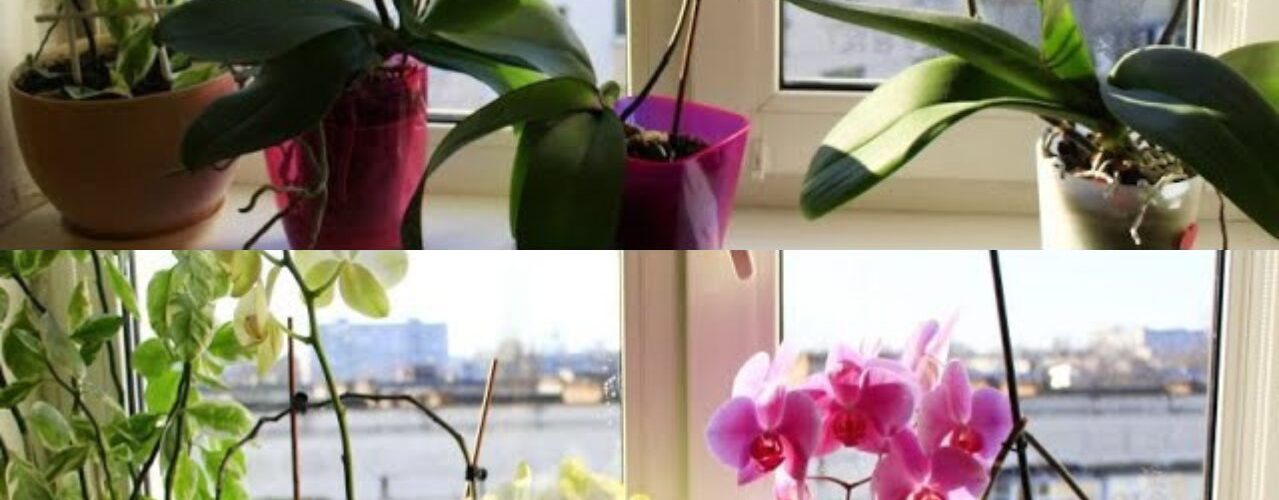
- Place your orchid near an east- or west -facing window , where it will receive indirect light for most of the day.
- Use sheers or blinds to dim the light if necessary.
- If you don’t have a suitable window, you can also use a grow light to provide artificial light.
Control irrigation and humidity
One of the most important factors for the health of your orchid is the water supply .
Orchids are sensitive to both excess and deficiency of water:
- Water your orchid about once a week by running some water into the pot and then allowing the excess water to drain out. It is essential not to let water stagnate in the pot, as this can lead to root rot.
- Do not wait until the substrate is completely dry to water again, as this can cause the plant to dehydrate.
- In addition to watering, orchids need some humidity to grow. Place a humidifier near the plant or place the pot on a tray filled with clay stones and water to increase ambient humidity.
Choose the right substrate and pot
The choice of substrate and pot is crucial for the health of your orchid:
- Choose a special orchid substrate , made of light, draining materials such as pine bark, sphagnum or perlite. Avoid conventional potting mixes, as they retain too much water and can cause root rot.
- Choose a pot appropriate to the size of your orchid. Clear plastic pots with drainage holes are recommended, as they help control the condition of the roots and the moisture of the substrate. Make sure the pot is not too large, as excess moisture can accumulate and damage the plant.
Trim and treat diseased parts
To give your orchid a second chance, it is sometimes necessary to prune and treat the damaged parts :
- Carefully remove the plant from its pot and examine the roots. Cut off any black, mushy or rotten roots with clean, disinfected pruning shears.
- If the leaves are yellowing or wilting, cut them off as well, being careful not to damage healthy tissue.
- After pruning, apply a fungicide to the cut areas to prevent the spread of disease and infection.
- Then repot your orchid in a new pot with fresh, clean soil.
Stimulate growth and flowering.
To encourage your orchid to grow and bloom again, follow these tips:
- Apply a specific orchid fertilizer every 15 days during the growing period, following the manufacturer’s instructions. Remember to reduce the frequency of fertilizer application during the dormant period, usually in winter.
- Give your orchid a rest period after flowering by moving it to a slightly cooler location and reducing watering. This will allow the plant to regenerate and prepare for the next bloom.
- Consider replacing the growing medium every two years or so, as it degrades over time and can cause drainage and nutrition problems.
Observe and react quickly
Finally, to preserve the health of your orchid, it is essential to remain vigilant and regularly observe its condition:
- Examine leaves, roots and flowers for signs of disease or distress.
- Note any changes in color, texture, or shape that may indicate a problem.
- If in doubt, do not hesitate to consult an expert or consult specialized forums to obtain advice tailored to your situation.
In conclusion, saving a dying orchid is not an impossible mission. By identifying the symptoms, optimizing the growing conditions, and caring for your plant, you can bring it back to life and enjoy its beautiful flowers for many years to come.
Remember that each orchid is unique and may require specific adjustments to thrive. Be patient and attentive, and your orchid will thank you with spectacular blooms.