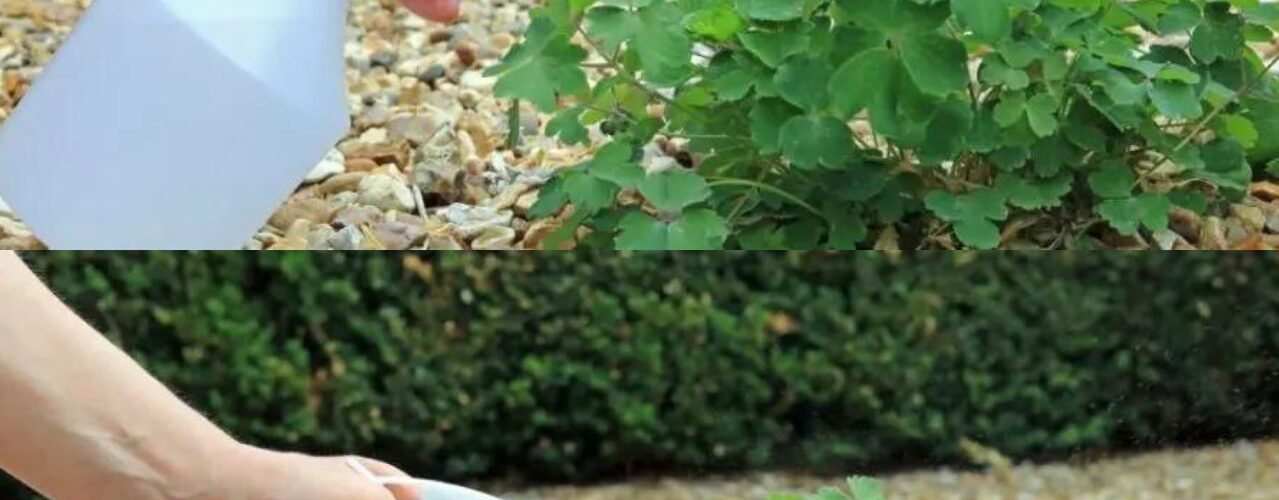
White vinegar: an ecological and economic ally
White vinegar , also called alcohol vinegar or household vinegar , is a natural product with multiple virtues.
Composed mainly of water and acetic acid, it is obtained by fermentation of ethyl alcohol contained in plant raw materials such as beetroot, corn or potatoes. White vinegar is non-toxic, biodegradable and very economical, making it an essential product for home and garden maintenance.
When it comes to weed control, white vinegar has two main advantages over chemical herbicides: it is environmentally friendly and economical . Unlike synthetic herbicides, it does not contain substances harmful to the environment and health, and it does not pollute soils and groundwater.
In addition, its cost is very low compared to that of commercial herbicides, making it an ideal solution for gardeners concerned about preserving the planet and their pocketbooks.
Homemade herbicide recipe with white vinegar
To make your homemade weed killer with white vinegar, simply follow this quick and easy recipe:
- Pour 1 liter of white vinegar (with a concentration of 10% to 14% acetic acid) into a spray bottle.
- Add 2 tablespoons of dishwashing liquid or black soap. The latter allows the vinegar to spread better over the leaves of the weeds and to adhere.
- Top up with water until you obtain a homogeneous mixture (optional, depending on the concentration of vinegar and the sensitivity of the plants to be eliminated).
- Shake the sprayer well to mix the ingredients and your white vinegar weed killer is ready to use!
You can also add a few drops of lemon, orange or mint essential oil to enhance the action of the herbicide and give it a pleasant smell.
How to use homemade herbicide with white vinegar?
For best results, follow these tips:
- Choose a sunny, windless day to apply the herbicide. The sun reinforces the action of the vinegar by accelerating the evaporation of the water, while the absence of wind prevents the product from dispersing onto neighbouring plants.
- Spray the white vinegar herbicide directly on the weeds , being careful not to touch the plants you want to keep. The vinegar works by dehydrating the leaves and destroying the plant’s cells, causing the plant to dry out and die within a few hours to a few days, depending on the plant’s resilience.
- Reapply if necessary, especially for perennial weeds or deep-rooted plants. White vinegar herbicide is more effective on young shoots and annuals than on established plants.
- Be careful when using a homemade weed killer with white vinegar, as it can also harm insects, earthworms and soil microorganisms. Be careful not to apply it near a watercourse, vegetable garden or compost, and do not use large quantities in the same area to preserve biodiversity and soil balance.
Limits and precautions for using white vinegar herbicide
Despite its undeniable advantages, homemade herbicide with white vinegar has some limitations and requires certain precautions for use:
- White vinegar is a non-selective herbicide , meaning it acts on all plants, including cultivated and ornamental plants. It must therefore be applied carefully and in a targeted manner, avoiding contact with the plants you wish to preserve.
- White vinegar is less effective than chemical herbicides on certain persistent and perennial weeds, such as quackgrass, bindweed or ragweed. In this case, it is preferable to use mechanical weeding methods (pulling, weeding) or mulching and soil cover techniques to limit their development.
- White vinegar can acidify the soil with excessive or repeated use, which can harm plant growth and the biological balance of the garden. To avoid this risk, it is advisable to limit the use of white vinegar-based herbicide to non-cultivated areas (paths, terraces, borders) and to respect the doses and frequency of application.
- Finally, although white vinegar is a natural and non-toxic product, certain precautions should be taken when using it : wear gloves to avoid skin irritation, protective glasses to avoid splashing in your eyes, and protective clothing to protect your skin. Also, be sure to keep the homemade white vinegar weed killer out of the reach of children and pets.
Homemade white vinegar weed killer is a powerful, easy-to-make, and eco-friendly solution for weed control. Its ecological and economic advantages make it an interesting alternative to chemical herbicides, as long as it is used carefully and judiciously.
Don’t hesitate to try this grandmother’s recipe and adapt the doses and methods of application according to your needs and the sensitivity of your garden. Happy wedding!