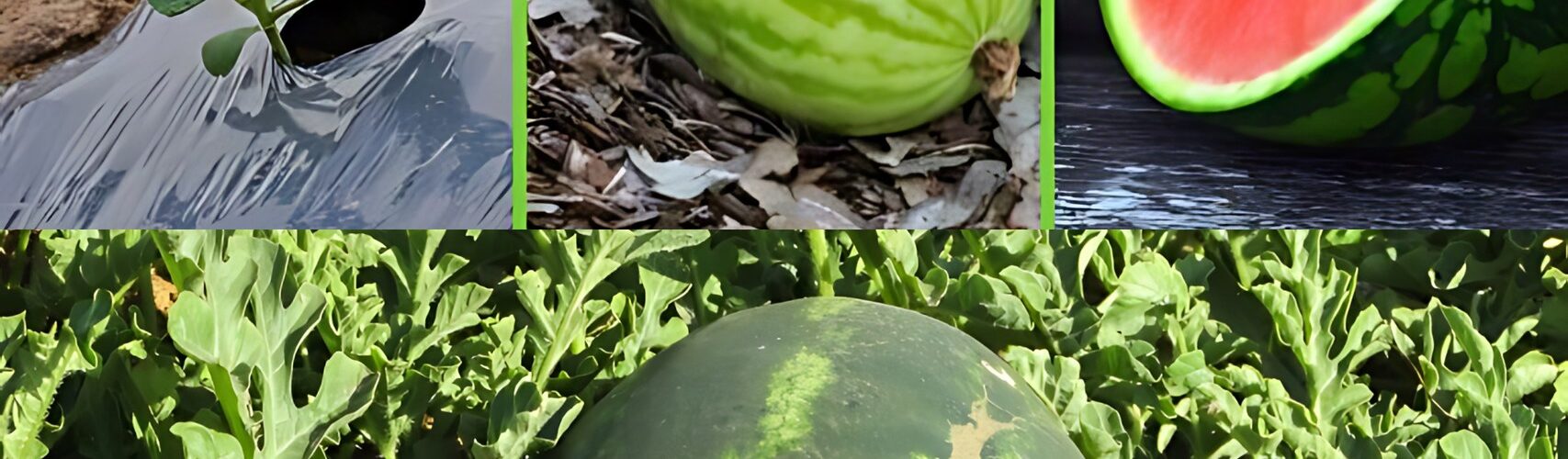
The complete guide to planting, growing and harvesting watermelons.
Watermelon Varieties: Choose a variety based on climate and your taste preferences, such as Crimson Sweet, Sugar Baby, Jubilee or Charleston Gray.
Site and Soil: Look for a sunny site and prepare a well-drained soil enriched with organic matter.
- Sow: Sow seeds indoors if you have short seasons; otherwise, sow directly in the garden after frost.
- Spacing and Planting: Leave 3 feet between plants and 6 feet between rows, planting seeds 1 inch deep.
- Watering and Fertilizing: Keep soil moist and use balanced fertilizers, avoiding excess nitrogen.
- Trellising and Pests: Consider trellising to save space and control pests such as aphids and beetles.
- Pollination and Harvesting: Attract pollinators and harvest when watermelons are ripe based on their appearance and sound when tapped.
- Extra Tips: Use mulch to warm the soil, drip irrigation to save water, and control pests naturally.
With these simple steps, you can enjoy your own fresh, delicious watermelons at home!
Watermelons (Citrullus lanatus) are an extremely refreshing and delicious fruit that thrives in warm climates. Whether you’re an experienced gardener or a beginner, successfully growing watermelons requires specific knowledge and meticulous attention. In this comprehensive guide, we’ll walk you step-by-step through the watermelon growing process, from planting to harvesting, along with important tips and tricks to ensure a bountiful and tasty yield.
1. Selection of Watermelon Varieties
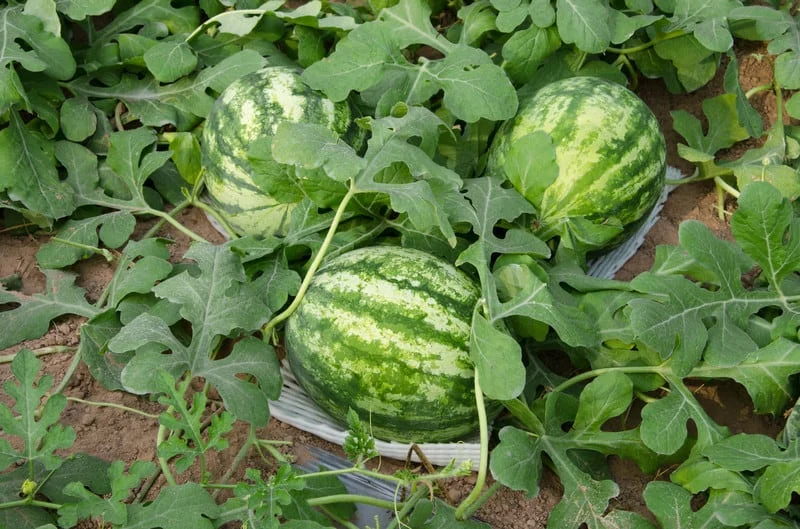
Choosing the right strain is crucial to a successful harvest. Consider factors like climate, available space, and your flavor preferences. Some popular strains include Crimson Sweet, Sugar Baby, Jubilee, and Charleston Gray. Each offers unique characteristics and flavors, so choose wisely based on your growing needs and conditions.
2. Site Selection and Soil Preparation
Watermelons thrive in full sun and well-drained soil. Choose a spot in your garden that receives at least 8 hours of sunlight daily. Prepare the soil by loosening it to a depth of 12 to 18 inches and adding organic matter to improve fertility and drainage.
3. Sowing Watermelon Seeds
In regions with short growing seasons, start watermelon seeds indoors 2 to 4 weeks before the last expected frost. Transplant seedlings outdoors once the soil has warmed and all danger of frost has passed. In warmer climates, sow seeds directly into the garden once the risk of frost has passed.
4. Spacing and Planting
Watermelon plants need room to grow. Leave at least 3 feet between each plant and space rows about 6 feet apart to allow for good air circulation and expansion of the vines. Plant seeds or seedlings about 1 inch deep in the soil.
5. Irrigation and Fertilization
Watermelons require consistent, deep watering throughout their growing season. Keep the soil evenly moist, especially during flowering and fruit development. Use balanced fertilizers before planting and when plants begin to flower, avoiding high levels of nitrogen that favor foliage over fruit.
6. Trellis and Pest Control
Although watermelons spread out on the ground, trellises can save space and keep the fruit neat. Consider simple trellises with stakes and netting or more complex vertical structures. Control pests such as aphids and cucumber beetles, using natural insecticides if necessary.
7. Pollination and Harvest
Bees and other pollinators are essential for fruit development. Avoid pesticides during flowering and encourage pollinator-friendly plants to grow nearby. Harvest watermelons when they are ripe, identified by their dull appearance, yellowing on the underside and a hollow sound when tapped gently.
8. Additional Tips
- Use black plastic mulch to warm the soil and suppress weeds.
- Consider a drip irrigation system to save water and deliver it directly to the roots.
- Apply neem oil or diatomaceous earth to control pests naturally.
- Practice crop rotation to prevent soil-based diseases.
Growing watermelons can be rewarding with proper care. Follow this guide from planting to harvesting and make the most of your gardening experience. Enjoy the sweet, juicy watermelons you’ll harvest!