It is possible to care for plants and grow them successfully, even without having a hobby of gardening. To do so, you just need to know the needs of each plant, and above all know when it is best to sow them. That said, if you want to get into gardening during this month of August, here is a non-exhaustive list of easy-care vegetables and flowering plants that you can grow in pots and keep on your balcony for your viewing pleasure.
- To fill the long summer days and if you like gardening, here is a selection of 4 plants that you can grow in pots and have on your balcony.
What can you plant in August?
The month of August is ideal for sowing winter or late vegetables such as radishes and broccoli, but also certain flowers such as pansies or cyclamen.
- Sowing broccoli in August

Broccoli – Source: spm
Broccoli is an annual or biennial evergreen vegetable plant. This vegetable is rich in vitamins, fibre and minerals. It is still easier to maintain compared to other cabbages. It likes fresh, humus-rich soils. Broccoli also needs slightly clayey, draining and fertile soil. This vegetable plant appreciates the sun, but does not tolerate drought or intense heat. Hence the importance of installing it in semi-shade, if you live in a hot region.
For pot cultivation, prefer peat pots that you will keep in a sunny room and in which you will dig a hole 2 cm deep. Then plant some seeds in it, then cover them with soil. Lightly tap the soil with your fingers to compact the soil. Then, using a spray bottle, moisten the soil but not too much, because broccoli likes good drainage. When young shoots appear, wait until they reach 15 cm in height to transplant them into the ground.
Please note that these are spring varieties that can be sown in late summer or early fall.
- Planting cyclamen in August

It is a perennial flowering plant with different colours that are very useful for decorating the balcony or terrace. Planted in July or August, cyclamen can be grown in the ground or in pots.
For pot cultivation, choose cyclamen from florists. This hybrid variety does not like direct sunlight and prefers a temperature between 12 and 15°C. During flowering, water your cyclamen, but not too much, as it could wilt. Also make sure to remove wilted flowers and fertilize your plant with a soluble fertilizer for flowering plants to be incorporated into the irrigation water.
Please note that a very humid environment can promote the development of certain diseases such as powdery mildew or grey rot. Cyclamen also fears aphids and thrips.
- Sowing radish in August.

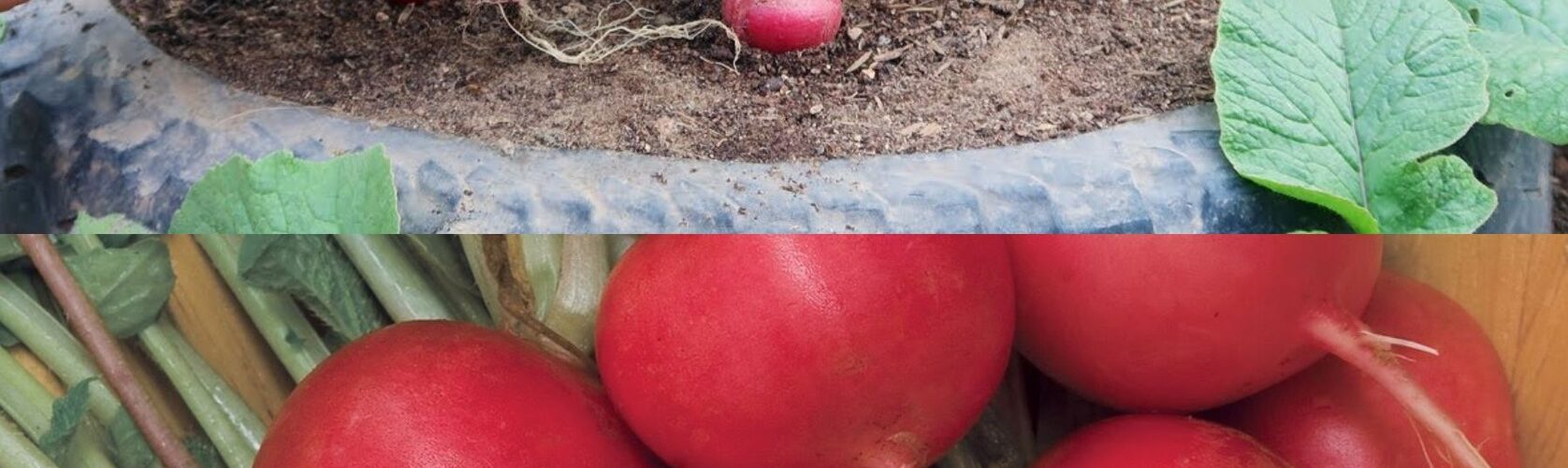
Radish is an easy-care root vegetable. It can be grown in the ground, in the vegetable garden, or in a pot, placed on the balcony or terrace. To grow about 20 radishes, you will need a pot at least 20 cm in diameter. The substrate used must be light and draining. To do this, place a layer of clay pebbles or gravel at the bottom of the pot to promote drainage and fill the pot with potting soil and sand mixed in equal parts. Then sow the seeds in the pot, spacing them 1 or 2 cm apart. Then cover the seeds with 1 cm of soil, then water after having compacted the soil. During the germination period, it is important to keep the substrate moist, but not soggy.
Radishes love the sun, but they are afraid of strong heat, hence the importance of keeping the soil always cool and moist, and not planting radishes in full sun during periods of heat waves.
- Plant the pansy in August

Also called garden violet, the pansy is a flowering plant that has the particularity of being decorative. It can be planted in August and lends itself well to cultivation in containers . To do this, simply place a layer of clay pebbles at the bottom of the pot to promote drainage. The pansy also appreciates a drained, but also rich soil. After planting, the pansy does not require much water. On the other hand, remember to water it regularly in summer, during the hot season. To promote the flowering of your plant, avoid excessive use of nitrogen fertilizers that stimulate the development of foliage to the detriment of flowers.
Pansy can be subject to attack by slugs or aphids. In case of infestation, spray your plants with black soap and alternate with nettle manure, which is a natural insecticide.