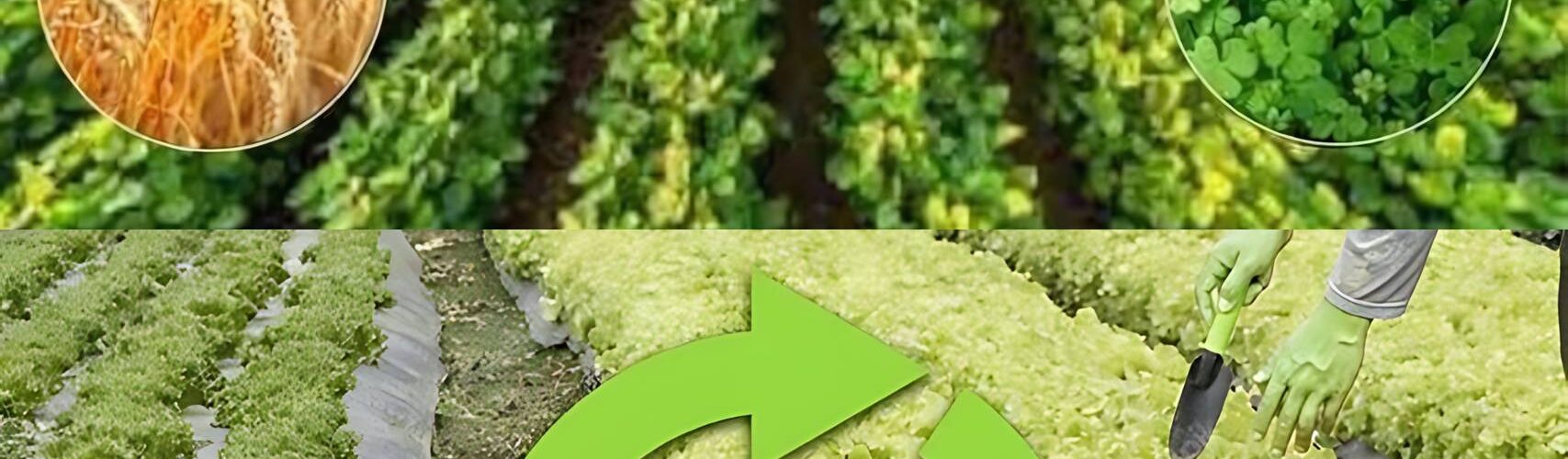
Understanding crop rotation
- In essence, it involves alternating crop species planted in an area from one season to the next to maintain a balanced and healthy ecosystem.
Benefits
- Pest and disease management: Breaks pest and disease life cycles.
- Improved soil health: Balances nutrients, maintains soil structure and diversifies microbiota.
Implementation
- Step 1: Plan crop categories such as leafy greens, fruit crops, roots and legumes.
- Step 2: Design a 3-4 year rotation cycle, avoiding frequent planting of the same category in one place.
- Step 3: Monitor and adjust for yield and soil conditions.
Crop rotation improves soil health, reduces chemical dependence and promotes resilience of the agricultural ecosystem.