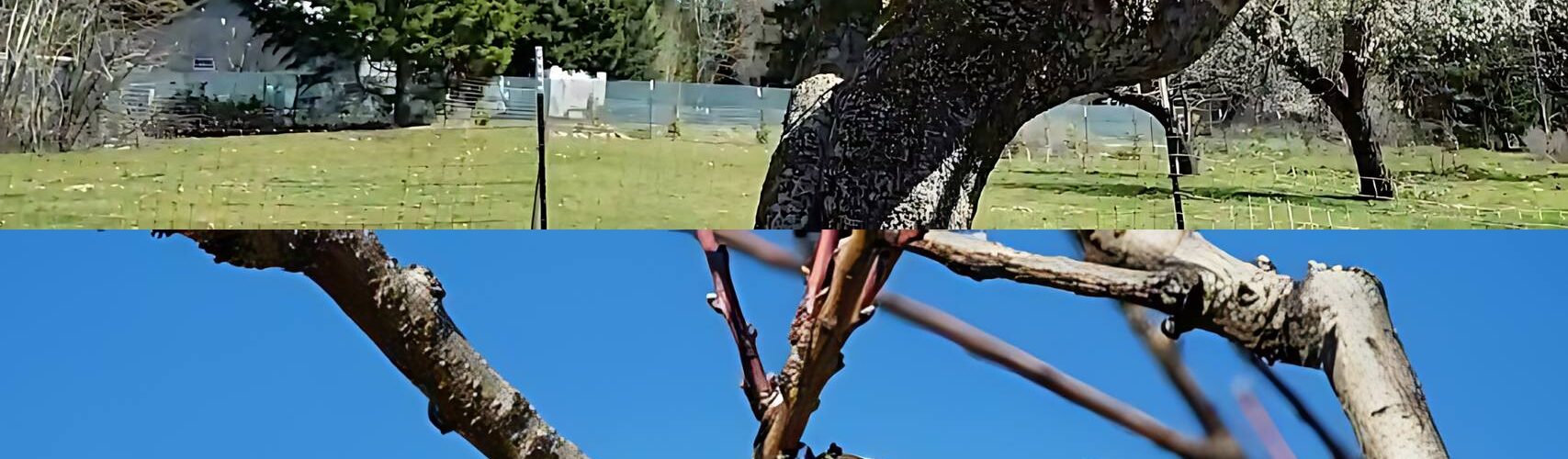
Assessing the health of the tree:
Before you begin, be sure to assess the overall health and structure of the tree. If the tree is structurally unhealthy or in a bad location, consider planting a new one in its place.
Pruning steps:
- Remove dead and diseased branches: Remove all dead, diseased and broken branches to improve the health of the tree.
Gradually reduce the height of the tree: Over 2 to 3 years, reduce the height of the tree by removing no more than one-third of its total height in one year to avoid shock.
- Branch thinning: Remove unwanted interior branches, especially those that cross or grow close together to improve light and air penetration.
- Heading and thinning cuts: Use heading cuts to shorten and stiffen branches, and thinning cuts to open the canopy without inducing excessive regrowth.
- Annual progression: Over the years, continue to shape and reduce tree height as needed to improve light and air penetration to all branches.
Additional considerations:
- Pruning Timing: Perform major pruning in late winter or early spring to encourage healthy new growth.
- Pruning Systems: Choose the appropriate pruning system for the type of fruit tree.
- Disinfection and tools: Make sure your tools are sharp and disinfected to prevent the spread of disease.
Aftercare and maintenance:
- Soil health: Improve tree recovery by removing weeds around the trunk and adding compost or manure to the soil.
- Regular care: Initiate a regular spray program with dormant oils and fungicides to keep the tree healthy.
Rehabilitating an abandoned fruit tree requires patience and care, but by following these steps you can rejuvenate the tree and improve its health and fruit production.