Every morning, it’s the same story! You wake up and see your neighbour Martine busy in her garden and vegetable patch. It’s hard for you to admit it, but her garden is a real treat for your eyes. You’ll find everything there: plants, seedlings, bulbs and even indoor seedlings – nothing escapes your inquisitive gaze. Come to think of it, why not get into it too? You don’t have a green thumb, so what? There’s a beginning for everything. In any case, Martine better be careful because she’s out to outshine her.
The winter cold is always there, but that shouldn’t be your excuse for not starting the big gardening maneuvers. You don’t know it, but February is the ideal month to let your gardening talents express themselves. Sowing very early in the year allows you to start the vegetation period early, so that your plants last as long as possible.
February is therefore the time to plant tubers and also to sow aromatic plants.
What to plant in February?
It is possible to start planting some seedlings as early as February. And the cold, you would say? Don’t panic! To protect your seedlings, simply grow them under a shelter or set up a small heated greenhouse.
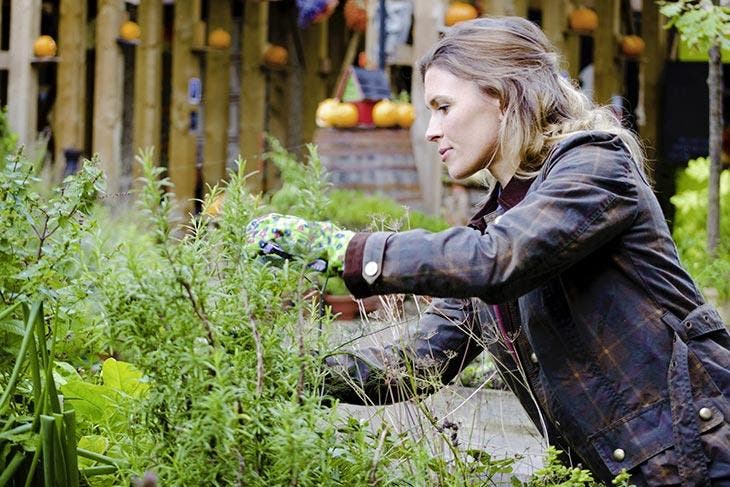
Here are some aromatic plants to plant in February:
- Parsley: This plant adapts to all soils, but prefers light and enriched soils. You can sow it from this month until September.
- Chives: Widely used in cooking, this plant likes rich, fresh soil. It only requires a small amount of water. Too much water can cause the bulbs to rot.
- Basil: This plant likes well-drained, nutrient-rich soil. To ensure its proper development, place it in a warm place, sheltered from the wind, as it prefers to be exposed to the sun.
It is also possible to plant your first seedlings from February onwards, as there is a wide variety available to you, of which here are some examples:
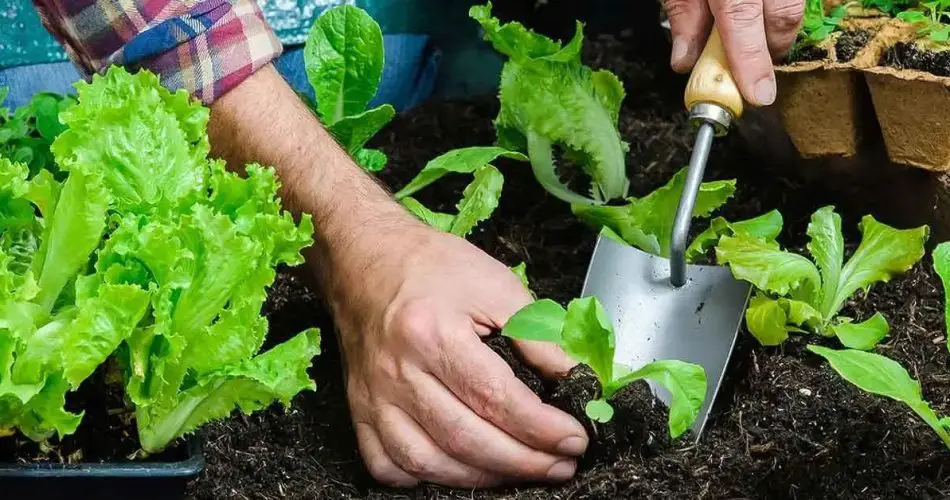
- Lettuce: You can sow several varieties of lettuce indoors or in a greenhouse, such as arugula, lettuce or watercress. Just plant the seeds one centimetre apart and cover them lightly with soil and water them. After 5 to 6 weeks, the first leaves can be cut off.
- Peas: They can be sown as long as the soil is not frozen or wet. Peas grow best in warm soil. Simply sow the seeds 4 cm deep and 8 cm apart. Water them regularly at first, then more regularly as soon as the pods with their seeds appear.
- Brussels sprouts: you can sow them between February and March indoors, planting the seeds 1 cm deep and covering them with a thin layer of compost. Finally, avoid excess water, although the substrate must remain moist. When the seedlings have 4 or 5 leaves, you can transplant them, leaving 50 cm between each foot of the plant.
What to plant in February in the garden?
In February, the winter cold gives way to milder temperatures. Not to mention that the days begin to get longer, starting this month. Good signs for starting new crops in the garden. Are you lacking ideas or inspiration?
Here are some tips that can get you on the right track:
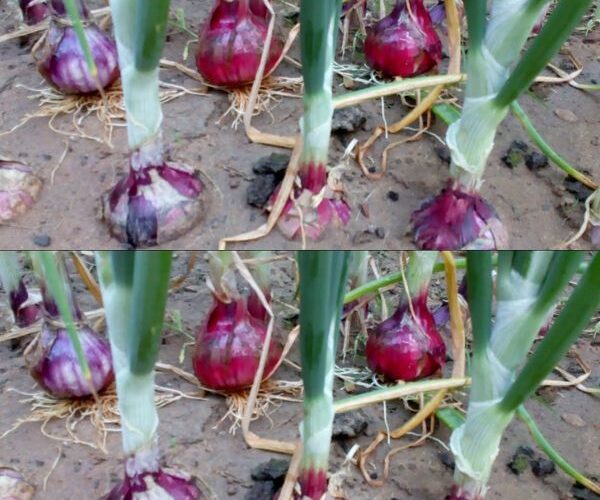
- Onions and shallots: First think about loosening your soil by turning it. Once the soil has been loosened, plant the seeds 2cm deep. Space onions 10cm apart, shallots 15cm apart and rows 30cm apart.
- Artichokes: They can reach up to 3 cm in height, remember to reserve a large space for them in the garden before planting them . Although they adapt to any type of soil, it is advisable to enrich it with compost. Once this is done, plant the tubers at a depth of 10 cm and separate them by 1 metre, then create a watering container.
- Pink garlic: you can plant it at the end of February, provided that the soil is not frozen, but heavy and moist. Plant the cloves, letting their tips appear every 15 cm, remembering to space the rows every 25 cm, then water, to finish.
What work needs to be done in your garden in February?
As we explained above, February is the ideal month to plant your vegetables and aromatic plants. It is also a good time to maintain the garden by doing some work before the arrival of good weather and spring. Are you lost? Don’t know what to do? Don’t panic, we are here to guide you!
Here is a list of tasks you should do to take care of your green space:
- Keep planted seedlings protected, frost and rain are never too far away;
- Ventilate the greenhouse to prevent plants from rotting;
- Prepare summer bulbs for planting in the ground or in a pot;
- Start summer sowing, leeks and tomatoes for example;
- Plant shrubs, perennials and plants: asters, azaleas, camellias and hydrangeas, among others.
Vitamins and minerals from vegetables planted in February
| Vegetables | Vitamins and minerals they contain |
|---|---|
| Spinach | Vitamin A, Vitamin C, Iron, Calcium, Antioxidants |
| Leek | Fiber, Potassium, Vitamin C, Vitamin K |
| Afflict | Vitamin B6, Manganese, Selenium, Potassium |
| Onion | Vitamin C, Vitamin B6, Fiber, Potassium, Antioxidants |
| Radish | Vitamin C, Antioxidants |
| chives | Vitamin C, Vitamin K, Iron, Calcium |
| Beet | Fiber, Iron, Manganese, Potassium, Vitamin C, Vitamin B9 (folic acid) |
| Carrots | Vitamin A, Vitamin K, Fiber, Potassium, Vitamin B6 |
| Kale | Vitamin C, Vitamin K, Fiber, Calcium, Iron |
| Salad | Vitamin A, Vitamin C, Vitamin K, Fiber, Potassium |
What vegetables and plants can we plant in March?
Don’t get carried away and take advantage of the month of March to plant vegetables, especially since the good weather will soon return. Your garden is ready to receive new vegetables, take advantage of this to plant different vegetables such as aubergines, peppers, potatoes, tomatoes or artichokes. The decision is yours!
March will also be an opportunity to revive your garden! So think about making it bloom. In the open field, plant cornflowers or sweet peas. In a small greenhouse, you can sow seeds of nasturtiums, petunias or blue poppies. Something to brighten up and beautify your garden . What more could you ask for?
Thanks to our advice, you will no longer have an excuse not to cultivate your vegetable garden and your garden. We bet, dear readers, that you will not fail to arouse the envy of those around you and your neighbourhood!