
Choose the right location
To ensure optimal growth of your jade tree, it is crucial to provide it with a location that suits its needs.
First of all, the plant needs a lot of natural light , so it is recommended to place it near a well-exposed window, preferably facing south or west. If natural light is lacking, you can also use specific grow lights to provide adequate lighting.
Don’t forget to turn the plant regularly so that all parts receive enough light and thus avoid an imbalance in its growth.
As for temperature, the jade tree tolerates variations well, but prefers an environment with a temperature between 18 and 24°C. During winter, it is essential to protect it from cold drafts and ensure that the temperature does not fall below 10°C.
Planting the Jade Tree: Materials and Method
Before you begin, make sure you have the necessary materials to plant your jade tree:
- A pot with drainage holes.
- A soil suitable for succulents
- Clay pebbles or gravel to facilitate drainage
- A watering can with a fine spout for precise watering
Start by filling the bottom of the pot with a layer of clay pebbles or gravel, to promote good drainage and prevent the roots from rotting if overwatered.
Next, add succulent potting mix to about a third of the pot. Carefully place your jade tree in the center of the pot, making sure the base of the trunk is just above the surface of the potting soil.
Then fill the empty spaces with potting soil, tamping down lightly to ensure good support for the plants, and water moderately to moisten the soil.
You can also add a layer of decorative gravel or sand on top for aesthetic appeal and to help retain moisture.
Water and fertilize wisely
Proper watering is essential for the proper development of the jade tree.
Since it is a succulent plant, it needs less water than most other houseplants. The frequency of watering will depend on the time of year and the ambient humidity, but in general it is advisable to water the plant once the soil is completely dry on the surface.
In summer, this may mean watering every two weeks, while in winter, monthly watering may be sufficient. When watering, be sure to moisten the entire surface of the soil without letting water pool at the bottom of the pot.
Regarding fertilization, it is recommended to apply a specific fertilizer for succulents once a month during the growth period, generally between spring and autumn.
Dilute the fertilizer according to the manufacturer’s instructions and pour it into the moist potting soil after watering to avoid burning the roots. In winter, stop fertilizing, as the plant enters a dormant period and does not need additional nutrients.
Pruning and cutting for harmonious growth
Pruning the jade tree contributes to its aesthetics and good health.
Do this in early spring, before the growing season begins. Use scissors or a clean, sharp pruner to cut back overgrown branches, paying special attention to branches that cross or grow inward.
Also, be sure to remove dead or wilted leaves to promote better air circulation and prevent disease.
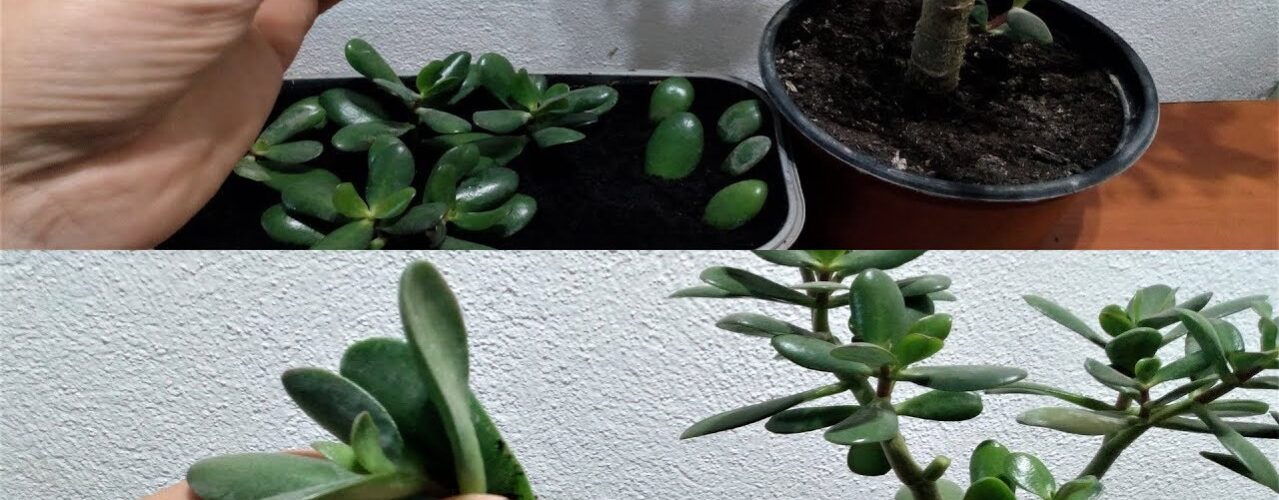
Cuttings taken during pruning can be used to propagate your jade tree. Choose healthy, vigorous stems, then let them dry for a few days to allow the cuttings to form a light scab.
Then plant the cuttings in a mixture of potting soil and sand, making sure the base is in good contact with the substrate.
Maintain light humidity and place the cuttings in a bright location, but out of direct sunlight. Roots should develop within a few weeks, and then you can transplant the new jade trees into individual pots.
Monitor and prevent common problems
The jade tree is generally not very susceptible to diseases and pests, so keep an eye on them to preserve its beauty and health.
The most common problems are usually due to improper watering or lack of light. Loose or yellowing leaves can indicate too much water, while drooping leaves or branches that stretch out disproportionately indicate a lack of light.
In these cases, adjust watering and/or move the plant to a better lit location to solve the problem.
Pests such as mealybugs, aphids and spider mites can also affect the jade tree. Regularly inspect the leaves and stems for their presence and intervene quickly in case of infestation.
You can use a cotton swab soaked in 70% alcohol to remove the parasites, or opt for a specific insecticide treatment depending on the severity of the infestation.
By following these tips and paying a little attention to your jade tree, you will be able to enjoy its beauty and good luck for many years to come.
This sturdy and elegant plant is a real asset to your home, and growing it is a rewarding experience that will allow you to connect with nature while developing your gardening skills.