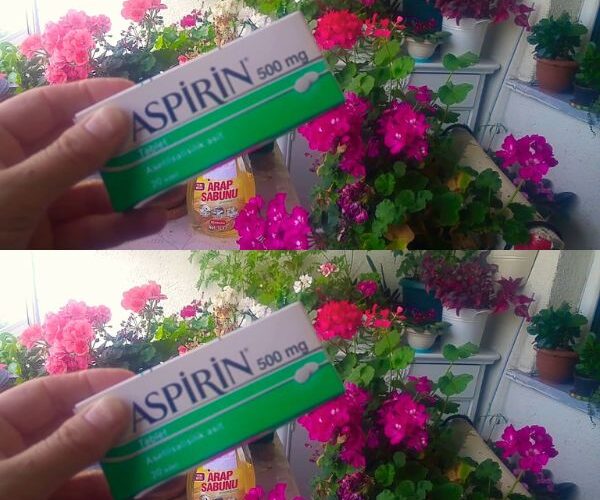

It is common to take an aspirin to reduce a fever or relieve a headache. But who could have imagined that this product would also save lives by de-stressing plants?
Plants are living beings that can also suffer from stress, climate change and inadequate care. It all depends on how you keep them and the conditions in which they grow. Do they receive enough light or, on the contrary, are they exposed to too much sun? Are they watered properly? Not to mention that they must be constantly protected from the invasion of many parasites that can bother them. Even if they seem easy to maintain, some can be vulnerable and require more attention than others. In your opinion, what would be the effect of aspirin on your plants?
Why should you use aspirin on your plants?
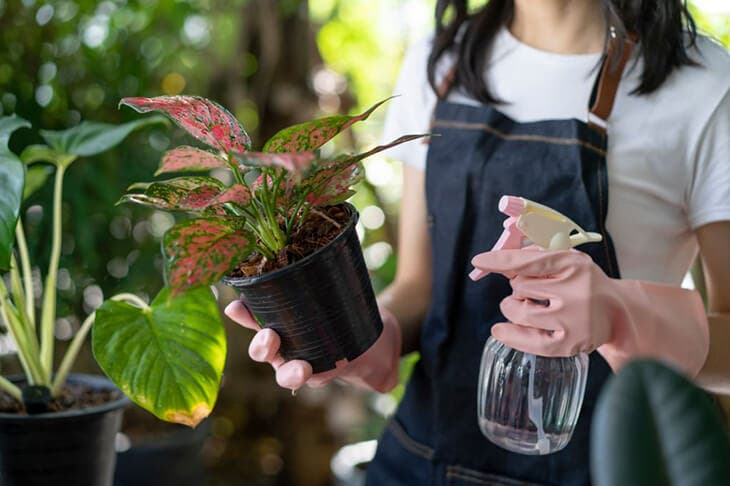
There are countless situations that can stress your plants, including when you prune them, when they face extreme temperatures, or even when your pet comes to walk on them or chew their leaves. To protect themselves, they produce salicylic acid, an active and powerful substance, commonly called “aspirin.” A drug that we usually use to relieve pain, migraines, fever, and all kinds of inflammation.
However, plants secrete it naturally in sometimes insufficient quantities. Therefore, it would be smarter to provide them with more to “calm them down.” Aspirin will not only de-stress them, but it will also protect them from microorganisms, multiple pests and thus make them more resistant to all types of diseases.
Good to know : It is advisable to dissolve one aspirin tablet (powder) for every liter of water you use to water your plants.
Other interesting uses of aspirin in your plantations
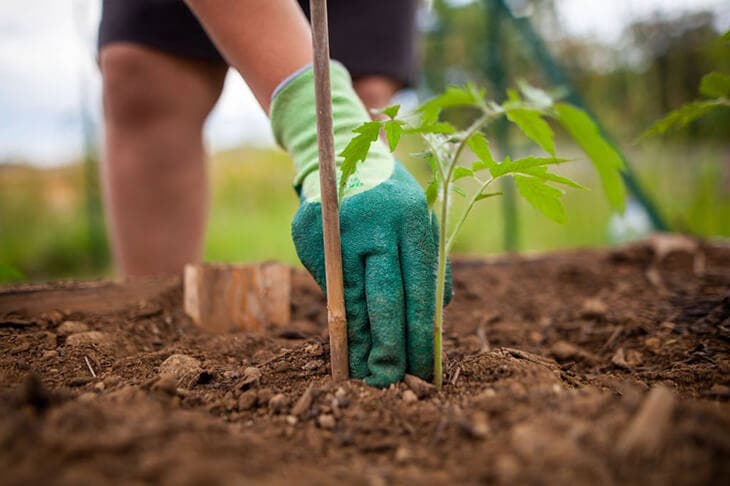
- Aspirin acts as a rooting agent: when you are going to repot your flowers or any plant, you can help them develop stronger, firmer and more resistant roots. To do this, simply spray the roots with a mixture of aspirin and water before repotting them in a larger pot or directly into the garden. Keep in mind that repotting is often a source of stress: aspirin will act to strengthen its defenses and stimulate its immune system.
- Aspirin also greatly contributes to improving seed germination. A low dose of aspirin (1 tablet in 5 liters of water) will be very favorable for cell growth.
- Aspirin stimulates plant growth. For an entire season, the University of Rhode Island experimented with this method by spraying plants with an aqueous solution of aspirin once every three weeks. In the end, the sprayed plants were much larger and showed much more fruitful flowering than their counterparts that had not benefited from this remedy.
- Have you just received a sublime bouquet and you want the flowers not to wilt too quickly? So use aspirin! This medicine also helps cut flowers stay fresh longer. Place half a tablet in the water of the vase and you will feel a clear difference!
- Growing tomatoes is never easy. To keep them healthy and well, rely on the power of aspirin. Spray your tomato plants (or soak the seeds) in a mixture of aspirin and water. This will make them more resistant to diseases and keep them in top shape.
- Likewise, to treat your fungus, this medicine is ideal as it prevents all kinds of fungal diseases. Spray your plants with a mixture of water and aspirin. As an added benefit, the same solution can help heal some burnt shoots. At the first signs of burning and suffering, immediately spray your plants with this solution, which will act very effectively.
- Finally, for those who don’t know, an aspirin paste can relieve insect stings, especially bee stings. If you have just been bitten, especially while gardening, immediately crush an aspirin tablet in water and apply it directly to the bite for instant relief.