
A star vegetable of summer, widely used in the world of gastronomy, peppers are present in various recipes, ranging from light salads to hearty stews. Very tasty and full of vitamins, they are packed with antioxidants that fight free radicals. As there are several colours, everyone can have their preference: red, green, yellow or orange. But by the way, is there any particular distinction between the characteristics of these peppers? Would the colour have an impact on the flavour, texture or nutritional qualities of each pepper? There is, in fact, a small detail that you should know!
Regardless of their color, peppers come from the same plant. It is a variety of sweet pepper from the plant species “Capsicum annuum”. However, they have different flavors, nutritional benefits and prices. We are going to illustrate a little more about these color differences so that you better understand the value of this vegetable, also considered a fruit, botanically speaking, like the avocado or the tomato.
Does the color of peppers have an impact on texture or flavor?
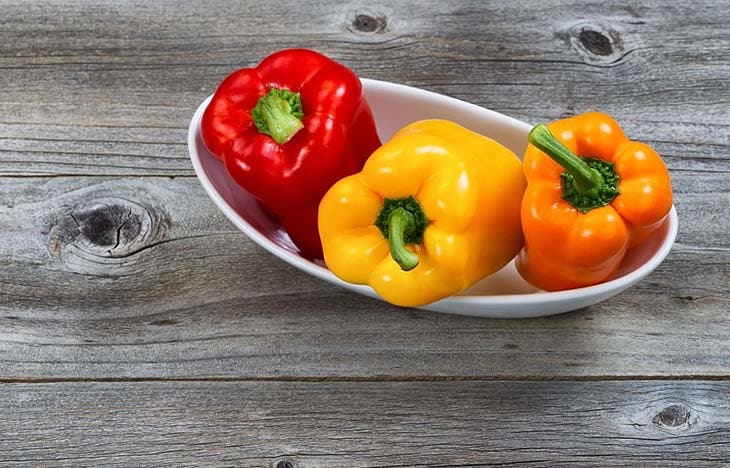
According to Mary Soco, a Mexican food specialist, chiles come from the same plant, regardless of their color. This difference in color is due to ripening: for example, green peppers are the least ripe, while red peppers are considered the ripest.
Generally speaking, green peppers are harvested first. Unlike the others, they require less time and care. Indeed, the other peppers require more resources to mature, which is why they are more expensive. Keep in mind that the ripeness of this vegetable also gives it a different flavor. The younger it is, the more bitter it is, while it becomes sweeter and more flavorful over time.
According to the specialist, each type of pepper has different nutritional benefits. The green ones contain an abundant amount of chlorophyll, while the yellow ones are packed with carotenoids, lutein and zeaxanthin, yellow-orange pigments that improve visual acuity and protect the eyes from blue light. The orange pepper is also very rich in alpha beta and gamma carotenoids.
As for the red pepper, it is considered the star of peppers. And for good reason, it is full of important nutrients: its fiber and vitamin C content is very important, enough to fight fatigue. In addition to preventing certain diseases and combating others, red pepper is widely used in cooking to prepare a multitude of dishes. It also contains lycopene and astaxanthin, essential antioxidants that give it its characteristic red color and help the body protect itself from cardiovascular diseases.
Where and how to properly store peppers?
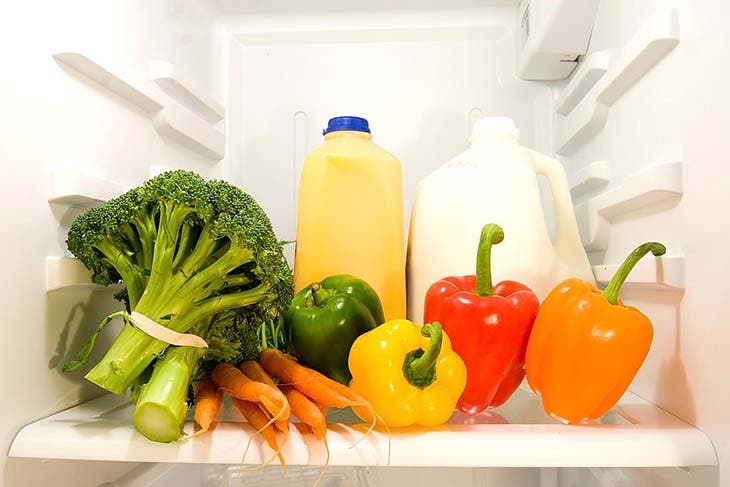
You can store them safely in the refrigerator, this will allow you to prevent them from rotting outdoors. With proper refrigeration, a healthy pepper, regardless of type, can last 3 to 5 days in the refrigerator.
Do you want to store your peppers in the freezer? In this case, you have different options:
- Place all the peppers in an airtight plastic container that you will place in the freezer.
- Use a special bag to freeze food.
- Cut them into small quantities and wrap them in plastic wrap before placing them in the container or freezer bag. This option is very practical: this way you will defrost only the quantity you will need for your recipe.