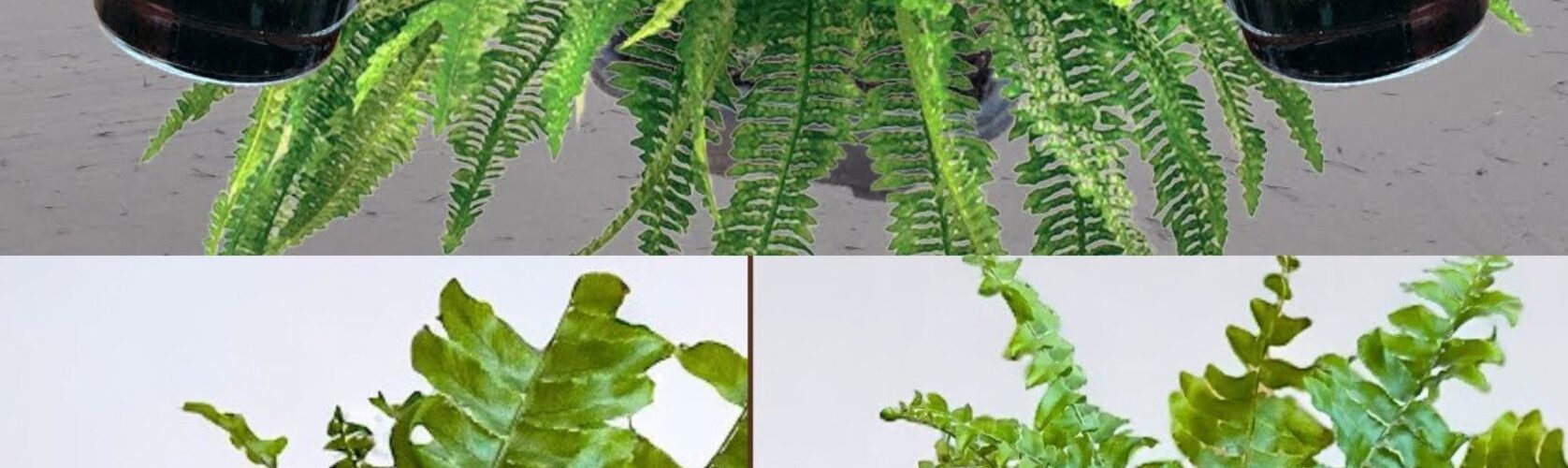
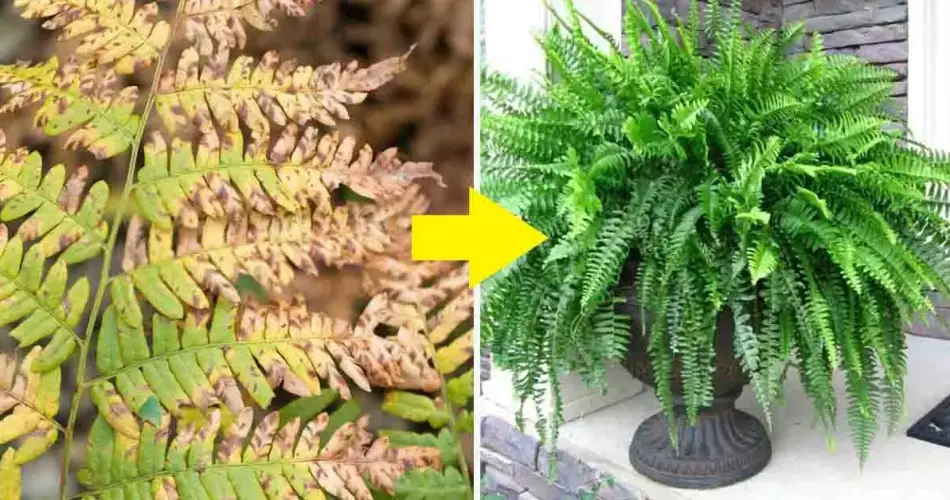
The fern is an evergreen perennial plant. It comes in different species and varieties that add a tropical touch to the garden, but they can also be indoor plants. Growing the fern is certainly easy, but it doesn’t take much for it to dry out. Find out how to revive an almost dry fern and what the conditions are for good maintenance.
When a plant begins to wilt and its foliage loses its green color, it is definitely wilting. Watering too little or too much can be fatal for your plant. If you notice signs of dryness in your fern, know that it is possible to revive it, however.
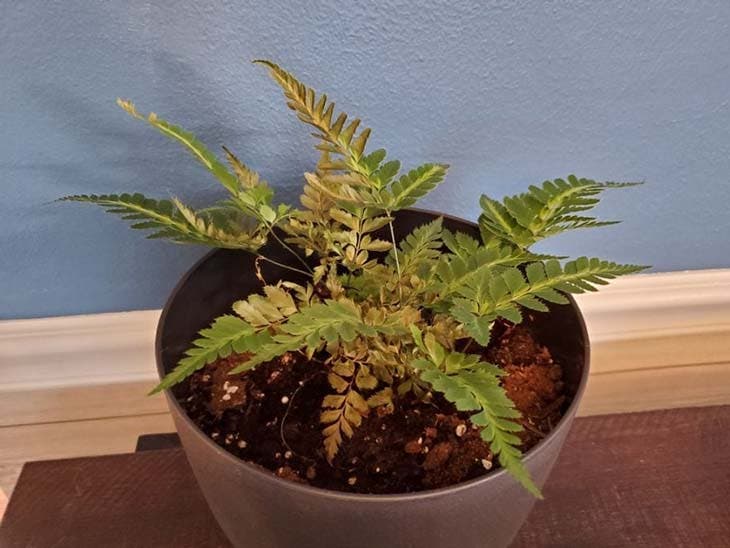
How to revive a dried fern?
Stage 1
The first thing you need to do is prune any wilted and dry leaves at the base. The cut must be lateral or at an angle.
2nd step
Soak your plant in a large container or bucket of water. Then air bubbles will begin to come out of the soil. Once all the bubbles have evacuated, remove the pot from the container for better drainage, for an hour or two.
How to maintain the indoor fern?
- Location
The fern appreciates light, but without direct exposure to sunlight . So keep your plant in a room that gives it partial shade. If you notice that your fern leaves are starting to dry out and turn brown, that means your plant is getting too much sun.
The fern is a tropical plant that appreciates heat, so the temperature of the room in which it is located should be between 16°C and 22°C.
- Irrigation
Both indoors and outdoors, ferns need heat, but also humidity. Remember to water the soil as soon as it feels dry to the touch. It should always remain moist, but not too wet. Additionally, excessive watering suffocates the roots of the fern , which also drowns.
Your plant’s pot should be draining. To do this, it must contain drainage holes, as well as a saucer that collects excess water. However, be sure to remove any standing water in the saucer, but also in the pot if you have one. Please note that the water for irrigation must be at room temperature. Cold water can cause thermal shock to your plant and damage its root system.
- Fertilizer
Adding fertilizer is beneficial for your plant, especially during the vegetative period. To do this, mix equal parts liquid houseplant fertilizer with irrigation water and pour the solution into the soil. Keep in mind that too much fertilizer can kill your plant , so once a month is enough to give your fern the minerals it needs to stay healthy.
- Transplant
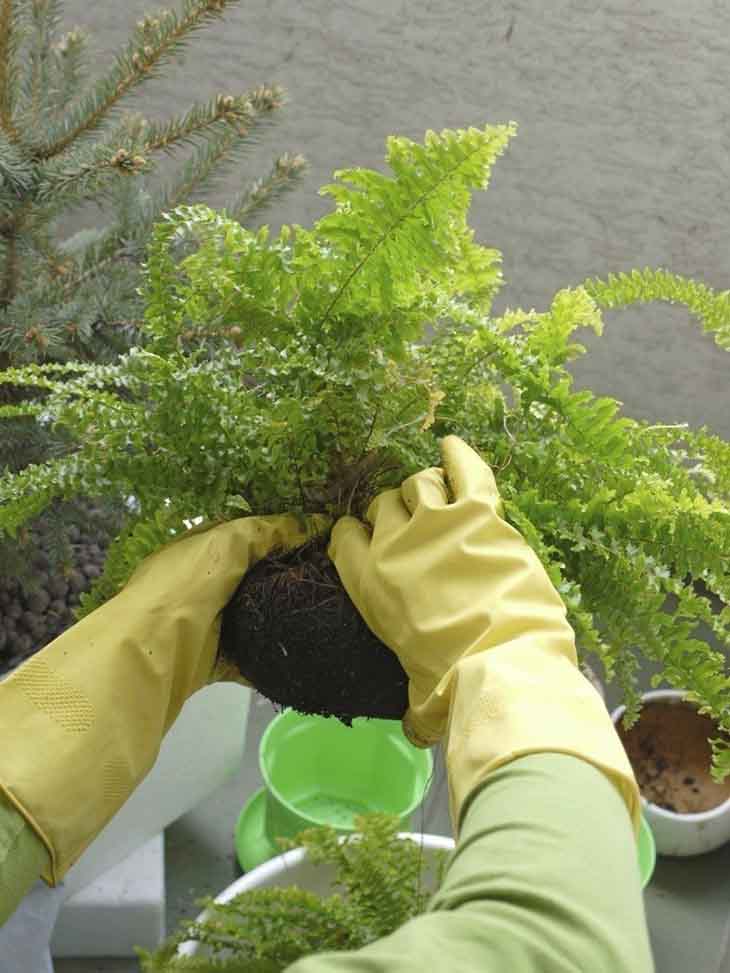
Consider repotting your fern every year or two to a larger pot than the one you have. Also provide it with fresh potting soil to provide it with new nutrients to help it grow.
Remember to place clay balls in the bottom of the pot to facilitate drainage and prevent roots from rotting.
- Infections and Parasites
Certain pests such as scale insects, moths, aphids or spider mites can enter your plant. In this case, use black soap which acts as a natural insecticide.
The fern is a vigorous plant that can resist infection . But when poorly maintained, its foliage wilts and turns brown. In this case, cut the fronds and parts that seem dry or dead with pruning shears. Fronds are simply the word for fern leaves.
How ferns multiply?
The fern reproduces through spores or cuttings.
- Reproduction by spores
Spores are the reproductive cells of ferns. These are found in the fronds of the fern. When the soil is moist enough and the temperature is warm, the spores begin to germinate. To recognize them, check the back of your plant’s leaves, you will see small dark spots. These are the spores of your fern. Note that spores are also found on other plants, such as algae and fungi.
- Reproduction by cuttings
First you have to take cuttings. To do this, simply run your fingers through the fronds to collect the spores. Store them in an airtight jar until dry. Then, plant your spores in the potting soil to germinate. It is the germination of the spores that allows us to recover cuttings , ready to be planted in soil or in a pot.
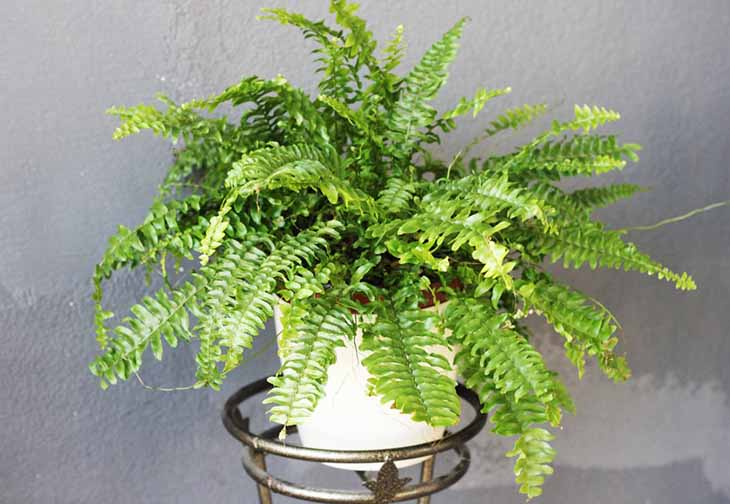
If having a green thumb is not always a condition for caring for a green indoor plant, however, it is necessary to know the living conditions of each plant to be able to care for it. To brighten up your interior even more, also think about succulents, ivy or phalaenopsis orchids.