Summer can be considered gardening season, but for some vegetables, summer is too hot. Vegetables like broccoli, spinach, and lettuce, as well as herbs like cilantro and parsley, love the short, cool days of spring and fall. In mid-summer, cool-season vegetables stop producing well or produce flowers and become bitter.
However, some of your favorite vegetables grow very well at high heat and if you haven’t planted them yet, it’s not too late!
The best vegetables that grow when it is very very hot:
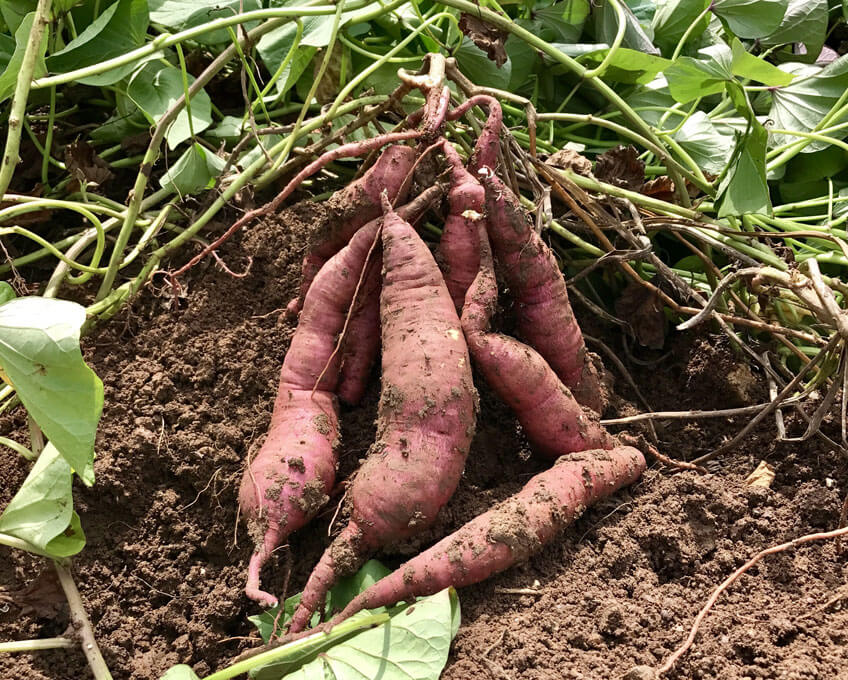
Sweet potatoes:
Sweet potatoes love warm weather, but require a long growing season. Sweet potato vines are excellent ground cover. You can even grow them in your regular garden beds. In the heat they will produce long vines, so make sure you give them enough space in the garden! If vines are growing “out of bounds,” simply cut the ends or roll them into beds to contain them.
Growing your own sweet potatoes can give you access to a wider variety than what you’ll find in the supermarket. Some are starchy, while others are very sweet, and the “finished product” comes in many colors, including orange, white, and even purple.
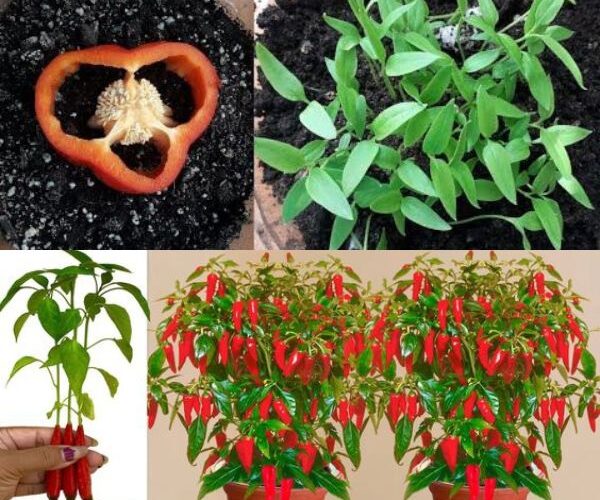
Peppers :
Certain varieties of peppers can be put on sale until July. Peppers thrive in warm temperatures and just a few plants can produce a surprising abundance of peppers perfect for pizza toppings or homemade sauce. Just two plants will give you enough peppers for anything you need. These are some of the easiest vegetables to grow.
The sunflowers:
Ideal for pollinators, these amazing flowers come in all shapes and sizes and grow well in the heat. For flowers, you can find colorful varieties like ‘Evening Sun’ that produce multiple heads. To make sunflower seeds edible, plant the “Mammoth” sunflower. The towering plants sometimes reach 3m in height and produce tons of seeds. If you don’t want to eat the seeds, leave the plants in the garden to attract birds.
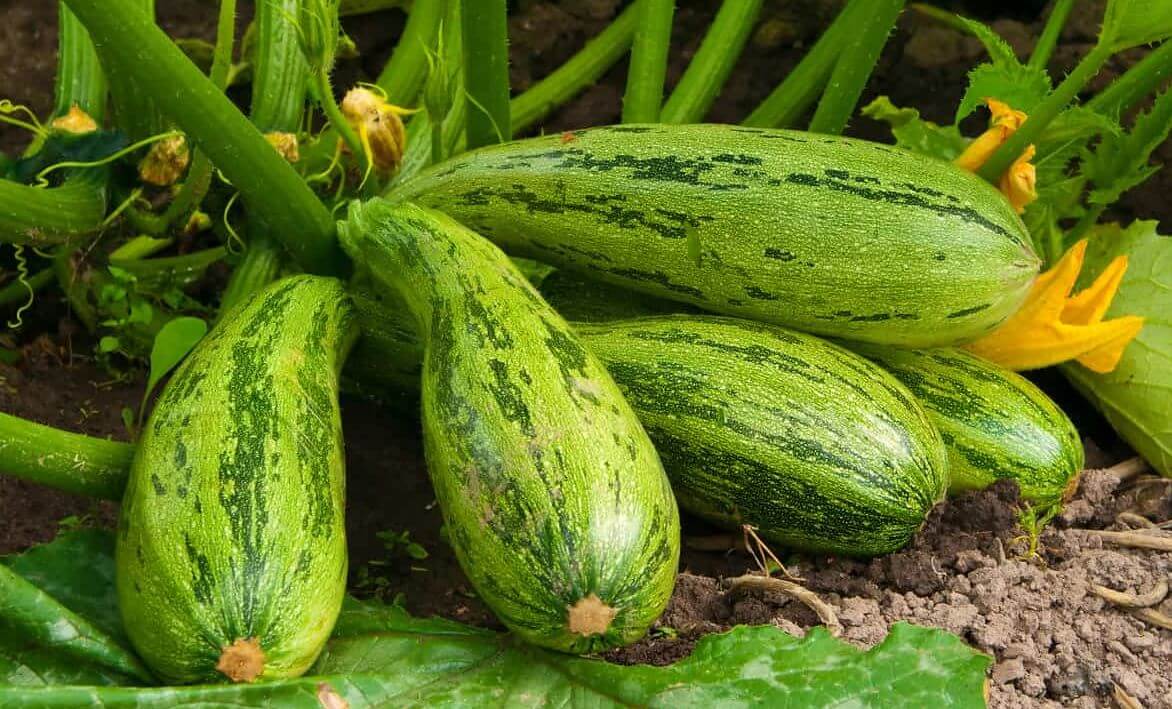
Zucchini and summer squash:
Zucchini and summer squash are some of the most productive plants you can grow and they love warm weather. Plant a few plants at a time, every few weeks during the summer, to avoid being overwhelmed by the harvest. Harvest when the fruits are still small for the best flavor.
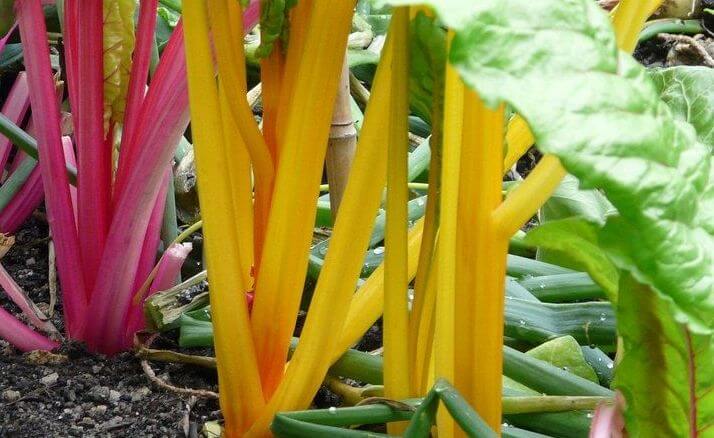
Chard:
Many greens will turn bitter and bitter when warm weather arrives, but chard will not. This sweet green vegetable can be harvested small to use in salads, eaten lightly sautéed, or used in place of spinach in various dishes. For more color, opt for ‘Rainbow’ Swiss chard, which has dark green leaves and red, pink, white, yellow and orange stems.
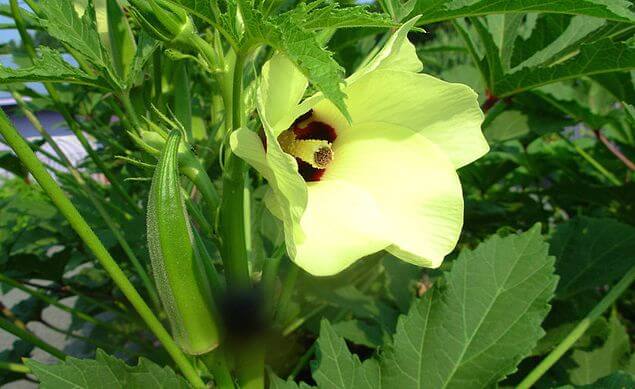
Okra:
Okra is one of those vegetables that people either love or hate. If you’re a fan of okra, this is a great option when temperatures soar. It can be direct sown until July and is ideal for making classics like fried okra or adding to your own soups and stews. Harvest the pods when they are no more than 9 cm long.
Green beans :
Green beans tolerate heat well and mature quickly, making them ideal for successive plantings. Strains like ‘Royalty Purple Pod’ are fun, especially if you have young children. If you’re short on space, look for climbing varieties to plant directly in the garden. For an edible ground cover, or to cover a trellis, plant pole bean varieties.
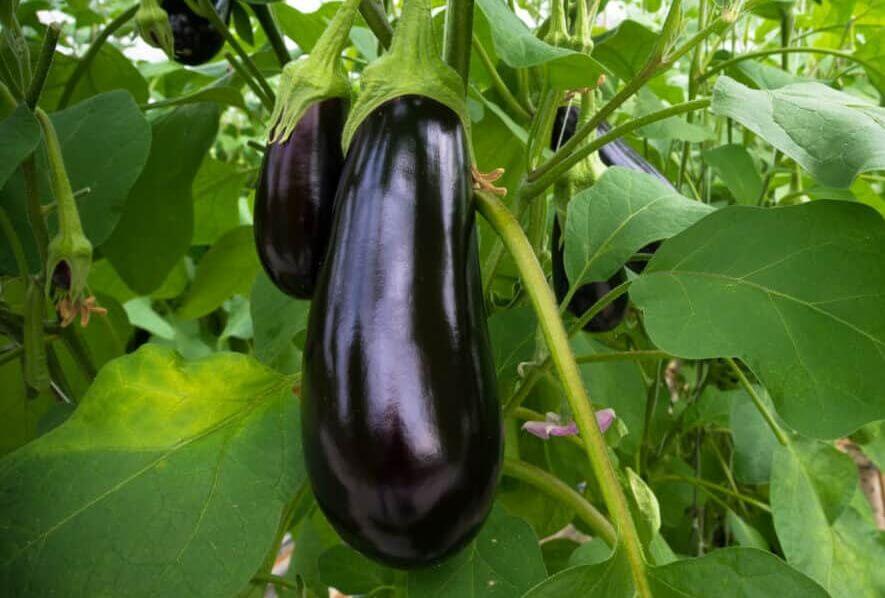
The eggplants:
If you love eggplant caviar, adding some plants to your garden can be a great option. Eggplants are actually much more productive in warm weather and are incredibly easy to grow. Provide them with full sun and also plenty of water.
the cucumbers:
Cucumbers are cool and refreshing to eat on a hot summer day and, fortunately, the plants don’t mind the heat. Plant cucumbers in your garden to eat fresh or to make your own pickles. There are climbing varieties that are perfect for container gardening and varieties that will cover a trellis or support.
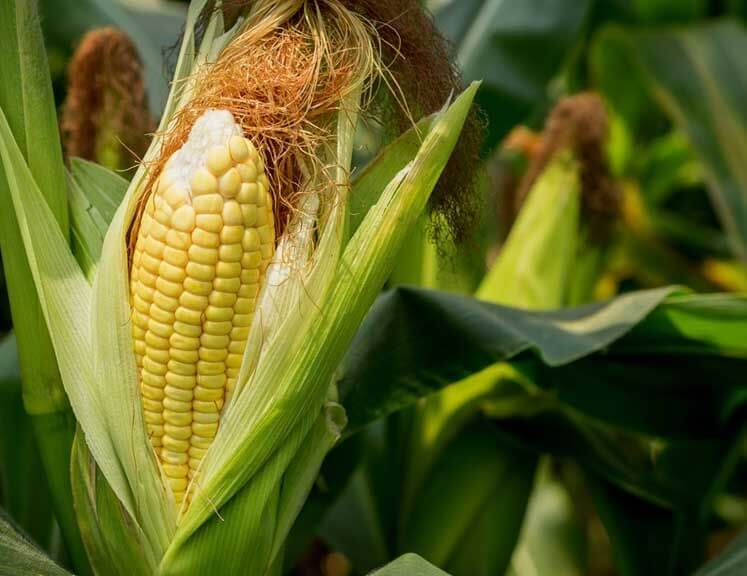
The dog :
Corn is one of the best plants to handle hot, dry weather. For thousands of years, it was a staple food for many Native American cultures, even in places like the desert southwest. Plant in squares large enough to ensure cross-pollination by the wind, or plant several rows side by side. For more enjoyment, grow a variety of “popcorn.” (It has the same growing requirements as corn, but you will harvest it later.)
Just because it’s very hot doesn’t mean you have to stop planting. Try growing some of these heat-loving vegetables to extend your harvest season.