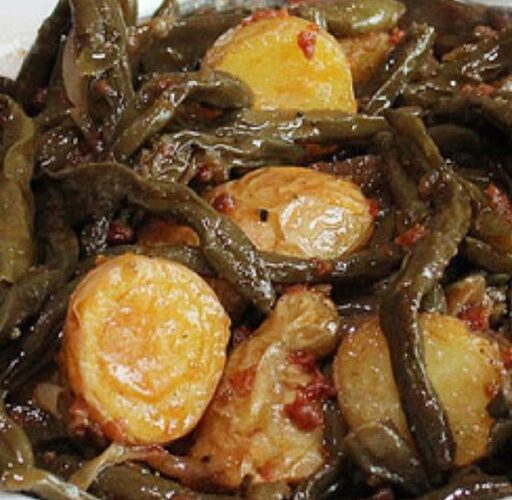
Title: The Art of Dried Beans: A Traditional German Recipe
Germany’s rich culinary history is filled with dishes that not only delight the palate but also offer insight into the cultural and regional traditions. Among these delicacies, the dried beans recipe is a true gem. Dried beans are a dish that has been prepared and enjoyed by families for generations, and their ease of preparation and rich flavors make them a favorite in German households. In this post, we take a closer look at the art of dried beans and share a traditional recipe that captures the delicious essence of this dish.
Dried beans are a dish that has its roots deep in German agriculture. Beans have long been an important part of the German diet as they are rich in protein, fiber and nutrients. Historically, drying beans was an effective way to preserve them beyond harvest time, thus securing an important source of food for the winter months. The tradition of drying beans has developed over the centuries and has become a popular culinary custom passed down from generation to generation.
The secret to dried beans lies in their ease of preparation and the few ingredients needed. The traditional recipe calls for fresh green beans that are carefully selected and prepared. The beans are washed, trimmed of stems and ends, and then carefully lined up to be dried. The drying process is crucial as it preserves the beans while retaining their flavor and nutrients.
There are several methods for drying beans, but one of the most traditional and effective is air drying. The beans are laid out in a well-ventilated area where they can slowly air dry. This process can take several days and requires patience and attention to ensure that the beans dry evenly and do not spoil.
Once the beans are dried, they are ready for the actual dish to be prepared. The traditional dried bean recipe is incredibly simple, but the resulting meal is incredibly rich in flavor and texture. The dried beans are soaked in water to rehydrate them, then cooked with onions, garlic, bacon, and spices. The slow cooking process allows the flavors to develop and meld together, resulting in a hearty and satisfying dish.
Some variations on the traditional dried bean recipe include the addition of potatoes, carrots or other vegetables, which can add additional flavors to the dish. Others prefer to garnish the dish with a sprinkling of fresh herbs such as parsley or chives to enhance the flavors and add a fresh touch.
Preparing dried beans is not only a culinary experience, but also a cultural one. The tradition of drying beans and preparing this dish is highly valued in many German families and is often associated with memories of shared meals and celebrations. Eating dried beans is not only a way to satisfy hunger, but also an opportunity to experience and appreciate Germany’s rich culinary history.
It is important to note that dried beans are not only delicious, but they also provide nutritional benefits. Beans are rich in fiber, protein, and vitamins and are an excellent source of plant-based proteins. Drying and preparing the beans preserves these nutrients, making dried beans a healthy and nutritious choice.
At a time when modern cuisine is often dominated by fast and processed foods, preparing traditional dishes like dried beans is a way to strengthen the connection to our culinary roots and promote healthy and authentic eating. By preserving and passing on the art of cooking dried beans, we are helping to keep a piece of German culture and tradition alive.
Overall, dried beans are a simple yet delicious dish that captures the essence of German cuisine. With their rich flavors, ease of preparation, and nutritional benefits, dried beans are an enrichment to any meal and a reminder of Germany’s cultural and culinary diversity.