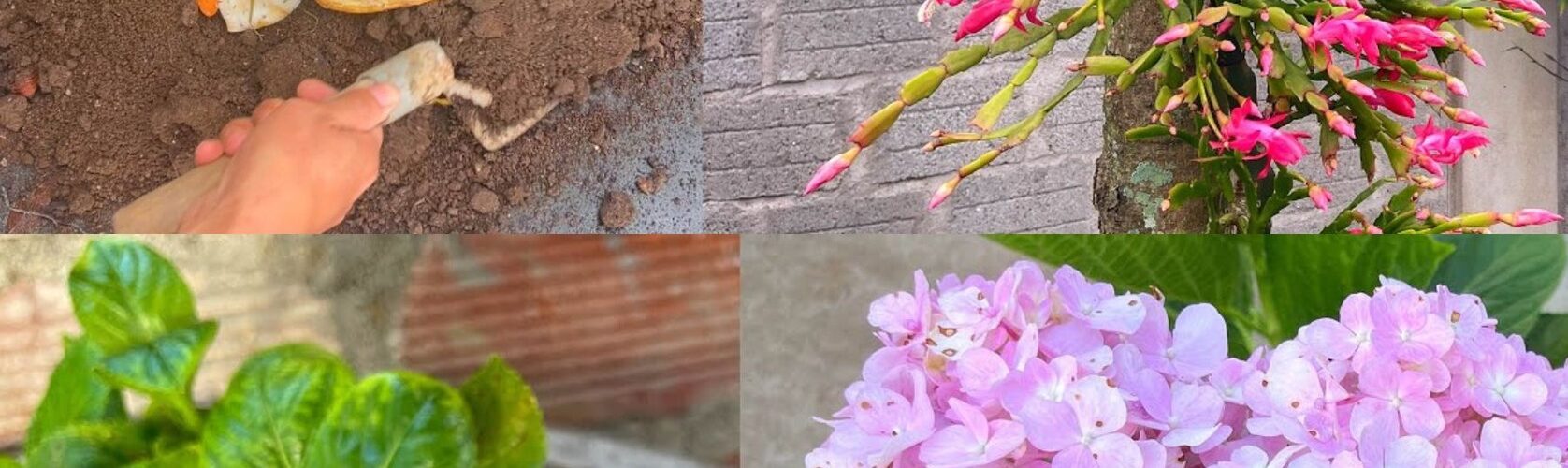

Fertilizer is a product that can be spread or mixed with the soil, in order to provide plants with the nutrients necessary for their growth. In fact, it helps fertilize plants and stimulate their flowering. Therefore, you can use chemical fertilizers or use ingredients from your kitchen.
To fertilize the soil and stimulate the growth of your plants, you can use natural and readily available ingredients that you can easily find in your kitchen.
What fertilizer nutrients does a plant need?
The main nutrients that a green plant needs are:
- Potassium: allows the plant to protect itself from external aggressions and regulate its water supply.
- Phosphorus: promotes the flowering or fruiting of a plant and stimulates the development of its roots
- Nitrogen: stimulates plant growth and allows them to produce new tissues.
These fertilizing elements can be found in different types of mineral fertilizers, such as nitrogenous or complex fertilizers, or in organic fertilizers.
What are the natural fertilizers that promote plant growth?
The kitchen is full of effective natural ingredients to stimulate plant growth.
- Natural fertilizer with coffee grounds
Coffee grounds are a natural fertilizer rich in phosphorus, magnesium, nitrogen and potassium. Its pH is slightly acidic, and it is especially indicated for acidic plants, which appreciate acidic soil, such as tomatoes or hydrangeas. Sprinkle a little ground coffee at the base of the plants or incorporate it into the soil, without excess, so as not to stimulate the development of the plants to the detriment of flowering. Note that coffee grounds can also act as a compost activator. Therefore, it can be incorporated into compost, such as nettle manure. Avoid overdose so as not to inhibit plant growth. Keep in mind that compost is also an excellent fertilizer for plants. This fertilizer is made up of plant residues and organic matter.
- Natural fertilizer with eggshells
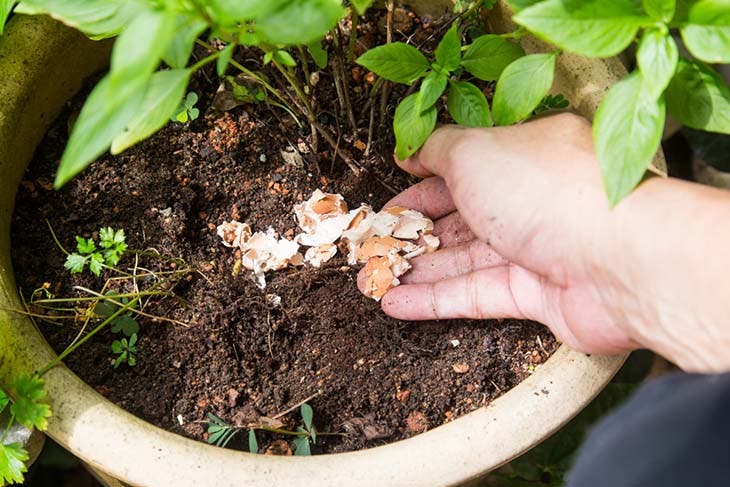
Thanks to their mineral and amino acid content, eggshells are an excellent organic fertilizer for plants. To do this, you can crush their shells with a mortar and pestle until you obtain a powder that you will spread at the foot of your plants. Scrape the soil lightly with a garden claw to better incorporate it. You can also use an infusion of eggshells as irrigation water, in order to hydrate your plants and nourish them by providing them with the nutrients necessary for their growth. Note that eggshells are also effective at keeping parasites, pests, and gastropods away. They are also used to enrich compost and balance its pH, to make it less acidic.
- Natural fertilizer with orange peel
Fruit peels can also be used to fertilize soil, especially citrus peels. We can take the example of orange peels. The latter are rich, among other things, in calcium, potassium, magnesium and nitrogen. To do this, finely cut the fresh orange peels with a knife. Then scrape the soil lightly with a garden claw and place the small pieces of orange peel into the soil. Cover them with soil and water. Another trick is to dry the orange peels first, and put them through a blender to obtain a powder that you will then spread at the foot of your plants .
- Natural fertilizer with banana peel
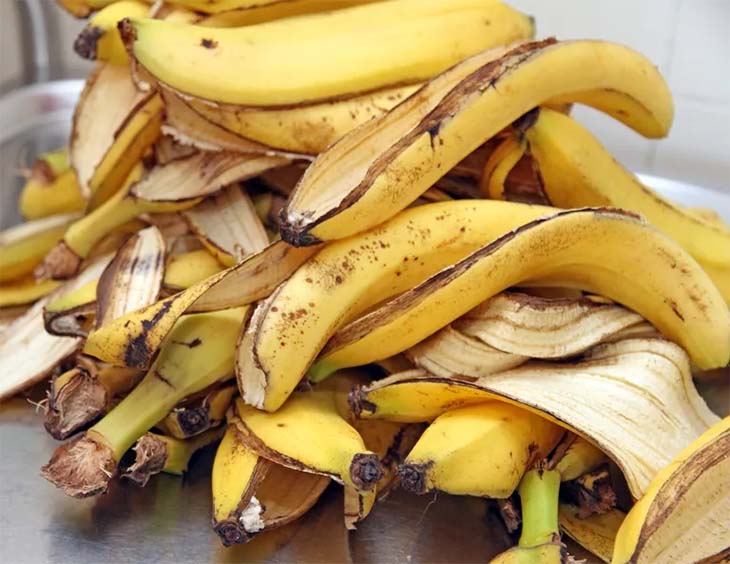
Banana peel is an organic waste that enriches the soil with its nitrogen, magnesium, phosphorus, potassium and iron content. Placed in compost, banana peel releases essential nutrients for plant development, which also stimulate rooting and make them resistant to diseases. You can choose to cover your plants with the banana peel strips or prepare a liquid fertilizer. To do this, cut the banana skins into small pieces and immerse them in a bucket of water. Let it sit for a few days, then strain the liquid and use it to water your plants. To fertilize the soil and grow your plants, you can also use epsom salt, wood ashes, or even horse manure.
Do not hesitate to use these natural fertilizers to fertilize the soil and stimulate the growth and flowering of your indoor, garden or orchard plants.