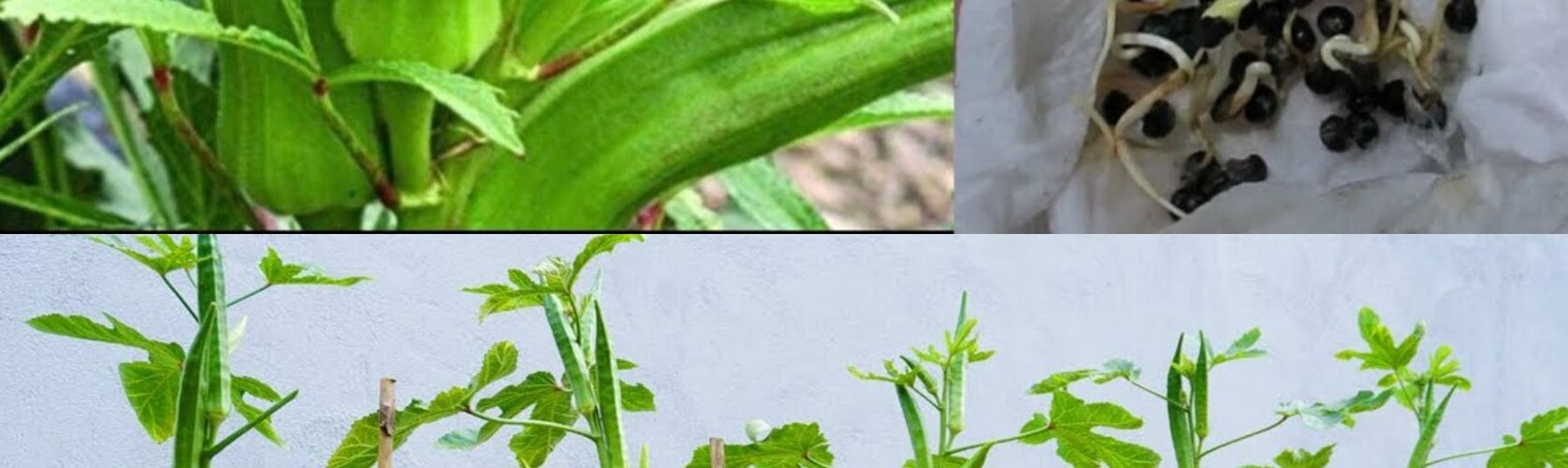
As many gardeners find they really appreciate okra (Abelmoschus esculentus), this hearty cousin of the hibiscus is also called cabo or lalo in Reunion Island or Mauritius, calou in Guyana or even okra in Louisiana. As you can see, growing okra requires warm weather, but using seedlings can shave 3 weeks or more off your usual long season. As long as okra seedlings are handled carefully as if they were eggs, they can be transplanted into the garden or into large containers when the summer season begins.
Growing Okra: Soil, Planting and Care:
Okra needs warm soil and the right weather conditions to grow well.
Okra seedlings do not like the cold. Plant well after the last spring frost when the soil and air have warmed considerably.
Choose your sunniest location for growing okra and wait until the weather is warm to prepare your seedlings. Plants appreciate when the nights are at least 15°C and the days are 30°C or more. In the north, gardeners can wait until late June to plant, as seed pods typically appear within 2 months.
If you do not live in a tropical region, it is best to germinate your okra seeds indoors knowing that the plants obtained will be fragile and that it will be worth handling them with care when you go out to your garden.
You can buy your okra (Okra) seeds online, you can find them on Amazon and then use a heated mini greenhouse to germinate them by placing them in compost or potting soil.
Okra grows best in soil with a near-neutral pH between 6.5 and 7, although it will still grow well in soil with a pH as high as 7.6. Plants will appreciate a generous amount of compost or other rich organic matter, which should be mixed well with the soil before planting. If your soil is not rich, you can use organic fertilizers or conventional slow-release fertilizers in the soil.
Okra seedlings have fragile roots that can break easily. Completely drain your seedlings an hour before planting. Gently pull the plant by the sides or use biodegradable containers, separate the seedlings and place them about 20 cm apart. Plant a little deeper (about 0.5cm) than they grew in their pots. Water small plants if it doesn’t rain, but wait a few days before laying down mulch so the soil has a chance to absorb the sun’s heat. Okra is valued for its ability to withstand drought compared to other vegetables, but for good growth and production you will need to water at least 2cm per week, as with other vegetables.
Okra is related to the hibiscus and produces flowers similar to hibiscus flowers.
Okra flowers resemble the flowers of a hibiscus, a close relative of okra. This flower is highly visited by ants.
Okra growth is usually slow, but the plants grow much faster once the summer starts to get very hot. In addition to gaining height, okra leaves expand as the plants grow and begin to produce yellow flowers followed by beautiful, tender seed pods. The plants are erect with one main stem, making them look like a shrub in the garden.
Concerns and illnesses:
Cold weather is okra’s number one enemy, and stressed plants can fall victim to soil-borne diseases that kill them. Another serious enemy is the nematode. Ants often nibble on plants to steal sips of nectar, but they rarely cause serious damage. Other pests you may encounter include beetles, stink bugs, aphids, etc.
Harvest and storage:
If you take good care of your okra plants, they will produce a bountiful summer harvest.
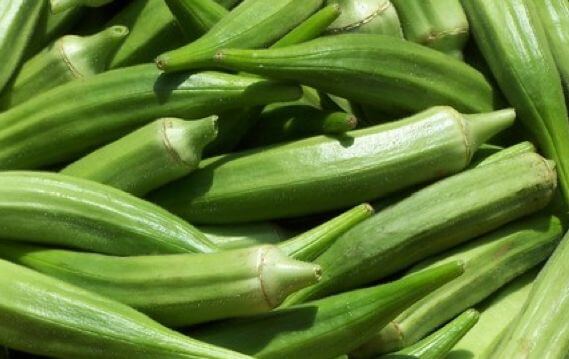
Warm weather helps the pods grow quickly, so check the plants daily once they start producing. A pod can grow from scratch to harvest size in 2-3 days. The pods appear first at the base of the plant so at the end of the season you can harvest them from the top of the plant.
The pods are ripe when they are 5 to 10 cm long. They become tough and fibrous if left on the plant for too long. Always harvest the pods as they prevent the plant from producing more.
Use scissors to cut the pods leaving a small stem end. Some people suffer an uncomfortable itch from contact with okra hairs, so you may want to wear gloves and a long-sleeved shirt when picking your pod.
By the end of the season, okra plants will be tall.
In warm climates where summer is long, standard-sized plants can reach 2m in height. In this case, many people prune in late summer by cutting back about a third of the plants. Buds along the main stem develop and produce a late harvest.