When the cold weather arrives and temperatures drop, some indoor plants require special attention. And for good reason, not everyone has the same ability to withstand the low temperatures of winter. We offer you a solution to adopt to protect your plants and prevent the cold from damaging them.
How to protect indoor plants from the cold?
The first thing you should do when temperatures start to drop is change the location of your plants. Bring home the frost-prone plants you have on your balcony or terrace. Also be careful not to place them anywhere in the house. You can keep them near a window to ensure light exposure, but be careful not to let their foliage touch the cold surface of the window. The leaves can thus wither or freeze. Note that it would be best to keep plants away from windows or bay windows if it is very cold. Also protect your plants from drafts and make sure to keep them away from any heat source, namely the radiator or fireplace. These dry out the surrounding air and therefore also risk drying out your plants.
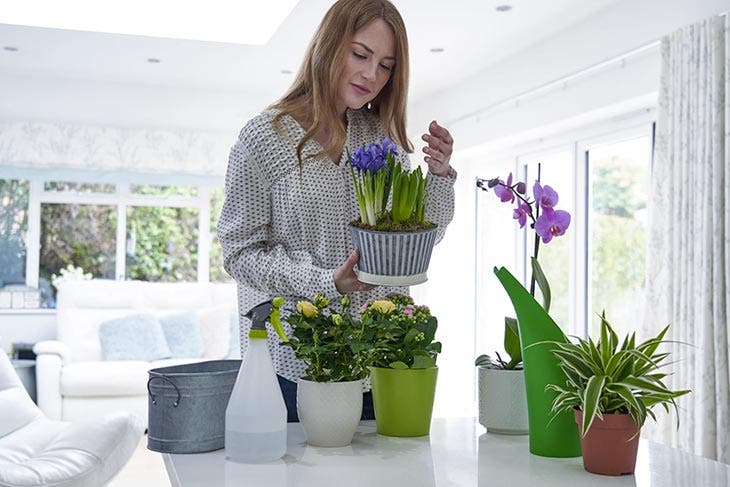
For fragile indoor plants, it is advisable to cover them to protect them from the cold. To do this, you can wrap the pots with newspaper or cover the soil of your plants with mulch, to protect their roots from the cold and limit water evaporation. You can make a mulch based on compost or grass, or choose to make a more decorative mulch with fruit peels or wood chips.
What are the other actions to take to protect houseplants during cold seasons?
To prevent drops in temperature from impacting your plants, you can provide them with the following care.
- Watering indoor plants
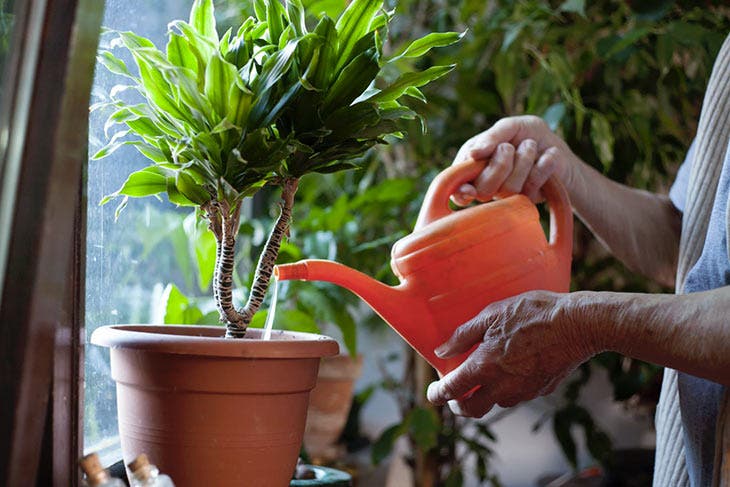
The use of heating, when temperatures drop, dries out the surrounding air. Then it becomes important to water your houseplants. To do this, choose warm water, preferably demineralized. To provide your plants, especially tropical ones, with a sufficient level of humidity, you can store them in the bathroom. Remember to also spray the foliage of the plants daily, to prevent the leaves from drying out.
- Provide plants with sufficient light.
Indoor plants need light for photosynthesis. If your house receives little light, especially in winter, it is advisable to use artificial lighting. Green plants also need 12 to 14 hours of light. Flowering plants need 14 to 16 hours of light exposure. That said, you can hang a lamp 30 cm above the plants. You can use a fluorescent bulb or a horticultural lamp. On the other hand, avoid halogen bulbs that give off a lot of heat, in addition to consuming a lot of energy. Keep in mind that if the foliage of your plants starts to turn yellow, it means they are lacking light.
It is also advisable to keep indoor plants in a bright room at room temperature. Avoid overheating your home, to ensure the survival of your plants.
Thanks to these tips, you will protect your indoor plants from the cold and help them better cope with these cold periods of the year.