
Cinnamon is an edible plant used mainly in cooking to enhance the flavor of dishes. This perennial plant, however, has other unexpected properties. In fact, it is very useful for plants. You can use it for your garden plants or for plants grown indoors. That being said, learn how to use cinnamon to keep bugs and mold away from your houseplants.
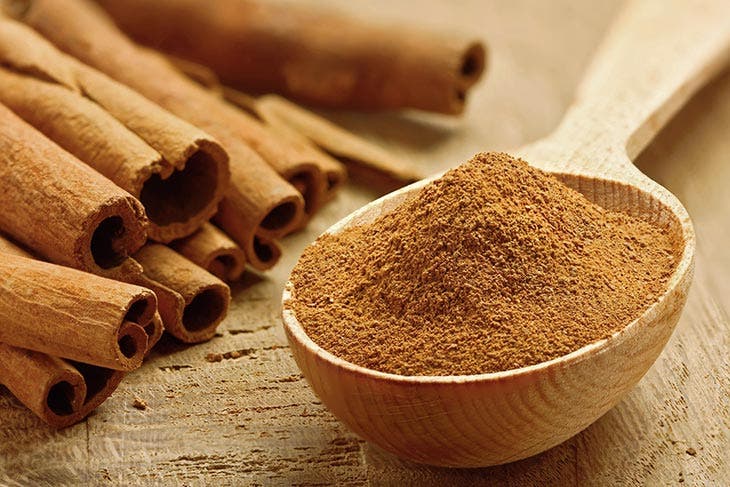
Cinnamon is very beneficial for indoor and garden plants and for good reason, it has antibacterial, antifungal and insecticidal properties. This spice can be used to protect your plants from fungi and fungal diseases, but also from insects that plague them such as mosquitoes, ants, whiteflies and red spiders. In fact, the strong smell of this plant is very effective in repelling parasites and pests. To do this, simply sprinkle cinnamon on the topsoil to prevent the development of mold and prevent pest attacks.
How to use cinnamon in the garden?
Cinnamon has several benefits for the plants in your garden.
- Cinnamon to prevent fungal diseases
For healthy plants, consider using cinnamon in your garden. This spice can be used pure, in order to prevent cryptogamic diseases. To do this, simply sprinkle a little cinnamon powder at the base of plants susceptible to downy mildew, rust or powdery mildew.
- Cinnamon to protect seedlings from mold
Due to humidity, mold spores can attack seedlings. The fungicidal action of cinnamon comes into play to protect them and facilitate their growth. To do this, mix in a bowl, half a liter of water, two tablespoons of cinnamon and an aspirin. Let sit overnight and then soak the cuttings in this solution. Aspirin stimulates root growth and cinnamon protects against mold and mildew.
- Cinnamon to prevent damping
Damping off is a cryptogamic disease that affects seeds and seedlings, preventing their growth, or causing the death of young seedlings. To fight this disease, nothing better than cinnamon. To do this, just sprinkle this spice on the soil, just after sowing the seeds. Renew the operation after the appearance of young seedlings to keep them alive.
- Cinnamon to heal plants
Cinnamon can also be used to disinfect and heal plant cut wounds . After pruning your plants, you can use cinnamon to heal wounds, to prevent the development of cryptogamic diseases caused by fungi. To do this, sprinkle a little cinnamon directly on the cut part of the plant.
- Cinnamon to keep plant pests away
To keep ants away from your plants, without using insecticide, you can sprinkle cinnamon on the ant trails. You can also use cinnamon to keep cats away from your vegetables. Indeed, these cats do not like the smell of this spice. To do this, plant cinnamon sticks in the ground.
- Cinnamon as a rooting hormone
Cuttings are a way to multiply certain plants and consist of taking a plant fragment from the mother plant, planting it and giving birth to a new plant. This part of the plant that comes off is called a cutting. That said, it is advisable to apply a rooting hormone to the cuttings, in order to promote their healing, but also their rooting. Rooting hormone also serves to protect cuttings from rot. To do this, you can use cinnamon, which acts as a natural rooting hormone. Simply dip the cuttings in cinnamon before sticking them into the soil.
Thanks to cinnamon, you will protect your indoor plants from the insects and molds that ravage their foliage. This spice is also beneficial for the plants in your garden. In fact, it can protect them from pests, but also from cryptogamous diseases.