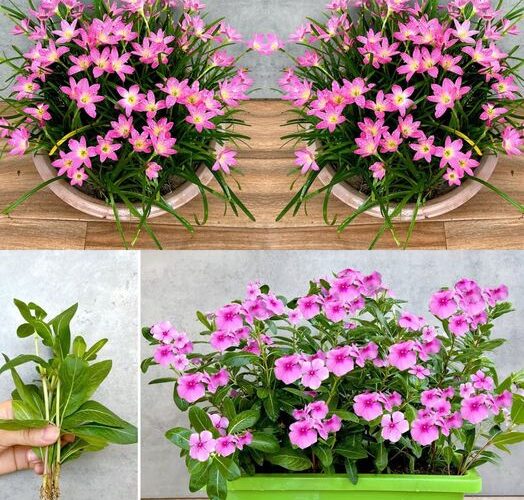
Plants need special attention to grow healthy and flourish. In fact, flowering plants can only adorn your interior or garden with beautiful colorful flowers under certain conditions. That said, if your plants aren’t flowering, check out 12 Things You’ll Need to Check for Long Blooming and Evergreen Foliage.
For a plant to flower, several elements come into play. If your plant is having trouble flowering, check if these 12 conditions are met.
What are the 12 things to check to encourage plants to flower?
These are the 12 conditions that you must verify for your plants to flourish.
Read also: The great trick to make your plants grow quickly
1. If the plants have enough light
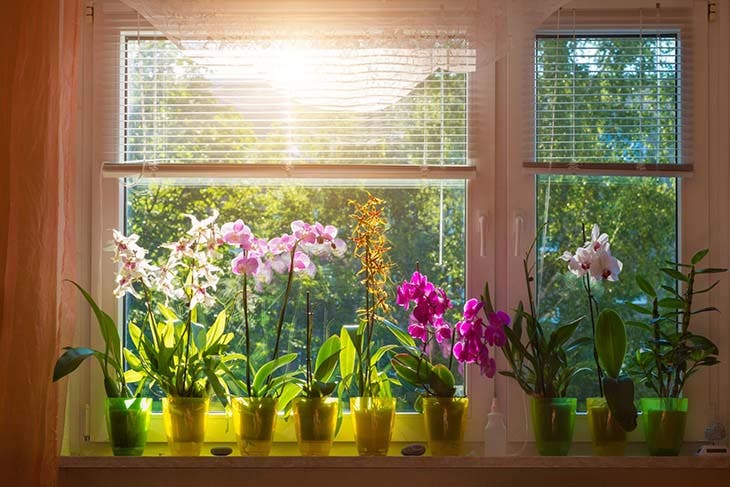
If your plants are not blooming, it is probably due to a lack of sunlight. Especially since some flowering plants need more than 6 hours of sun. In this case, be sure to ensure sufficient light exposure for your plants.
2. If the plants are in the right place
Depending on the time of day, some plants prefer direct exposure to full sun or partial shade. If we take the example of hydrangeas, azaleas and impatiens, these plants should not be placed in the sun during the afternoon. On the other hand, succulents, bougainvilleas and roses appreciate it.
3. If plants have enough nutrients
To flourish, plants need fertilizers rich in nutrients, such as phosphorus, which also stimulates plant flowering and rooting, in addition to promoting photosynthesis. That said, for abundant flowering, use a compound fertilizer containing potassium, nitrogen and phosphorus.
4. If the plants are not over fertilized
Fertilizing a plant is certainly important insofar as the fertilizer provides the plants with the nutrients they need. However, fertilizers should be used sparingly. Too much can be fatal for them. This is because when soil is overfertilized, plants find it difficult to absorb water, and this is what causes them to wilt.
5. Whether to prune plants
Trimming a plant is important. This keeps it healthy, in addition to stimulating its flowering. On the other hand, it is important to know when to prune your plant, so as not to eliminate the buds that are about to give flowers.
6. If the young shoots of the plants are not pruned
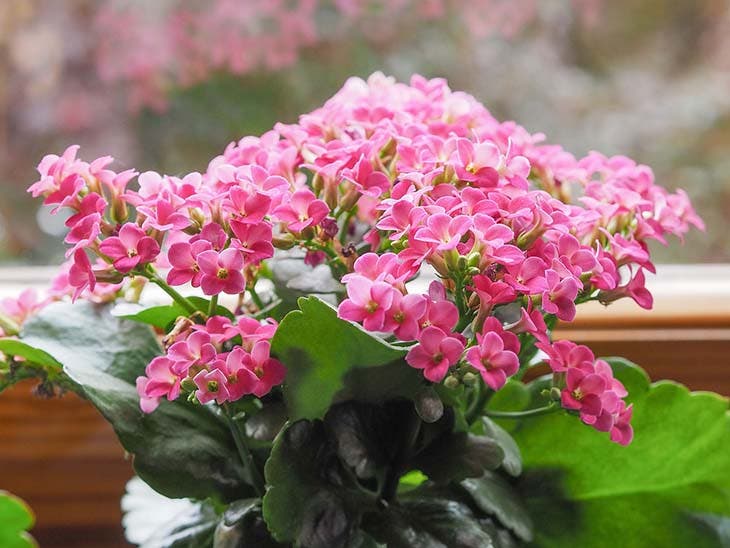
Care must be taken when pruning so as not to remove young stems that will bear new flowers. We must distinguish between new growth and old growth. Only stems that have already produced flowers can be cut.
7. If plant shoots are cut
A shoot is a sprout from a root that can be broken off and replanted elsewhere. In order not to weaken the mother plant, it is advisable to cut the shoots. This operation is called suction. The shoots have their own root system and can extract nutrients from the soil and thus compete with the mother plant. Therefore, they should be pruned as soon as they appear. However, be sure to save them when uprooting them as they can be used as cuttings or seedlings for transplanting.
8. If the plants do not have dead flowers
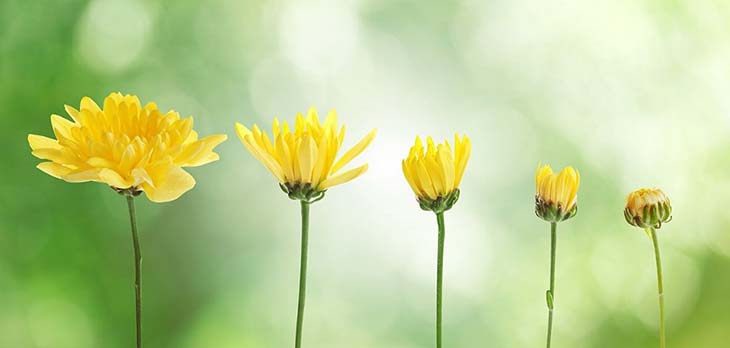
To encourage new flowering, also consider removing dead flowers and wilted or old flowers with pruning shears.
9. If the plants are not sick
If your plants are having difficulty flowering, check to see if they are infected with pests or are diseased. To do this, check if there are no spots on the leaves of your plant, and if there are no pests hiding under the buds. To get rid of the insects that plague your plants, you can use natural products such as black soap or a garlic decoction.
10. If the plants are not exposed to the cold
Cold and frost can damage the buds that produce flowers. Low temperatures can even kill buds and therefore prevent plants from flowering. Hence the need to protect your plants from the cold until the end of winter.
11. If your pots are not very big
When you grow your plants in very large pots, their roots develop more, to the detriment of the flowers. The pot should be a little larger than the root ball, so that the plant can develop its roots and also flowers.
Read also: How to make the most powerful homemade garlic insecticide to eliminate plant-destroying aphids
12. If the plants have reached the maturity period
Plants flower when they reach maturity. Some plants mature faster than others. In fact, if we take the example of the jade tree, this succulent plant only blooms at the age of 9 or 10 years. Although all the conditions necessary for its flowering are ensured, this succulent plant must be mature enough to flower.
By meeting these 12 conditions, you will encourage your plants to bloom and get beautiful flowers, even if you don’t have a green thumb.