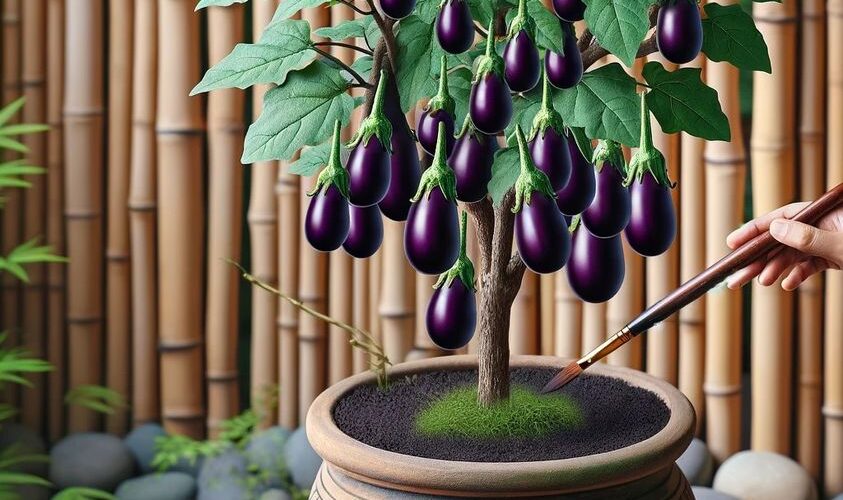
Gardeners in warm regions rejoice! Although difficult to grow in colder regions, eggplant thrives in warm climates. Learn how to grow eggplants and add this beautiful fruit (yes, eggplant is a fruit) to your garden and table.
Discover below 8 secrets that you should know to grow eggplants:
1. Choose the best place to grow eggplants
Eggplant will prefer a very sunny location with well-drained soil rich in organic matter.
It is important to alternate where you plant eggplants and other members of the nightshade family (such as potatoes and tomatoes) to help prevent and avoid soil-borne pests and diseases. Wait at least 2 years between planting crops in the nightshade family.
If pests or diseases have been a problem in the past, try growing eggplants in containers. Eggplant grows very well when grown in large pots.
2. Choose a variety of eggplant that suits your needs
Eggplant varieties differ in size, shape, color and ripening time.
Globe eggplants or American eggplants have large, traditional purple or white oval fruits. They produce best in warm climates.
Japanese eggplants have long, thin fruits that ripen quickly, making them a good choice for cooler areas.
Small-fruited eggplants (like Indian and Fairytale) are more compact and are perfect for small spaces or containers.
There are many varieties to have fun with shapes and colors.
3. Start eggplants indoors from seeds or buy grafted seedlings
Eggplant does best when planted outdoors from transplants rather than seeds. Start planting eggplant indoors 6 to 8 weeks before the last spring frost. The seeds germinate in 7-14 days. Eggplant seeds last up to 4 years. Eggplant seeds are available in many places on the Internet.
Because eggplant is susceptible to transplant shock, start seeds in containers larger than 8cm and harden off the plants before planting them in the garden.
4. Plant eggplants at the right time
Eggplant prefers warm weather, so don’t plant it until temperatures have warmed in the spring. Transplant eggplant seedlings to the garden when the soil temperature is at least 21°C (the best way to check soil temperature is with a soil thermometer), with daytime temperatures of 21°C or higher and night temperatures above at 10°C.
Place plants 45 to 60 cm apart.
5. Take care of plants throughout the season
Give the eggplants a constant supply of moisture, but don’t let the soil become soggy. If the eggplant is not watered enough, the fruit will be small and bitter.
Eggplant also needs food to produce well. Feed the plant at least once a month with fish emulsion or compost tea.
Eggplant is self-fertile but benefits greatly from bee pollination.
Remove wilted leaves and plant stakes or trellises as necessary if you see the plant bending.
6. Keep an eye out for pests
Flea beetles, aphids and potato beetles are common pests of eggplant. Use row covers to deter them until the plants are large enough to take some damage. If pests are persistent, leave row covers on during the harvest period.
7. Harvest eggplants at the right time
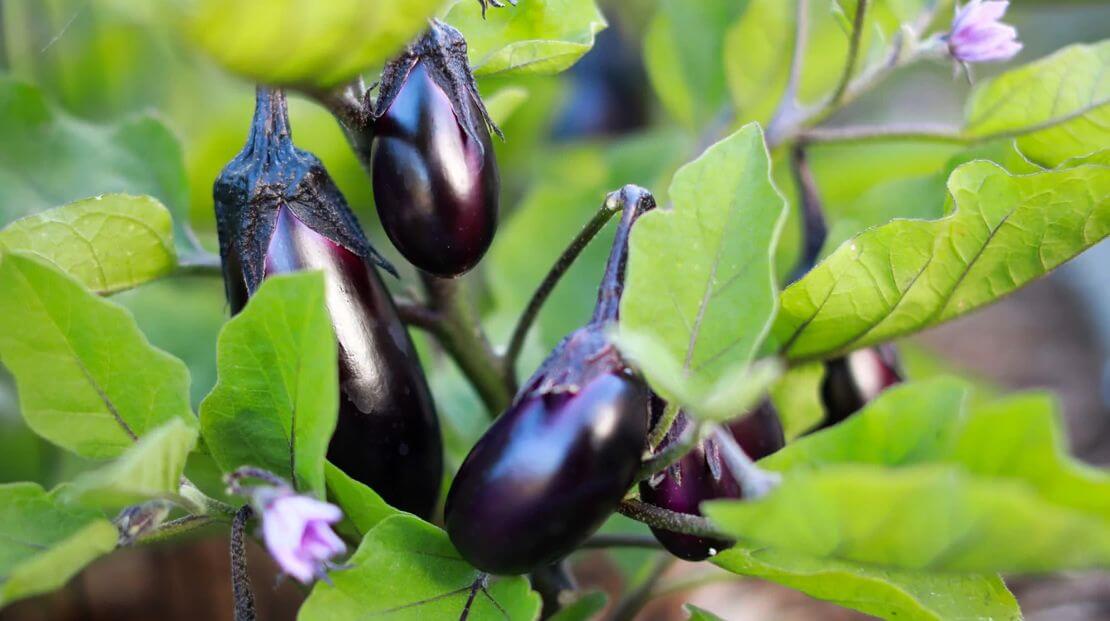
The berries taste better and frequent picking encourages greater production. Eggplant stems are brittle, so be careful. To harvest, cut the fruit with a stem still attached. Some tips to know if the fruit is ready to be harvested, if it is overripe, not ripe enough or overripe!
– If the fingerprint is not visible when pressing, the fruit is not ripe.
– If the fingerprint disappears after pressing, the skin is clear and shiny, the fruit is firm and heavy for the size, then the fruit is ripe. The fruit will be tender, with better flavor and small seeds.
– If the fingerprint remains after pressing and the skin is dull, then the fruit is overripe. The fruit will be more bitter, with large seeds and too hard skin.
8. Don’t let eggplant crops go to waste
Eggplant does not freeze or does not freeze well. Eggplant is best used within a day or two of harvesting. Do not store eggplants in the refrigerator, but in a cool, humid, well-ventilated place.
Naturally low in calories but high in fiber, eggplants can be grilled, fried, battered, roasted, baked or sautéed. Eggplant is also an excellent meat substitute and an essential part of Italian cuisine. There are several dishes where eggplant is presented. Try adding this versatile fruit to your favorite recipes or add it to omelettes or as a pizza topping.