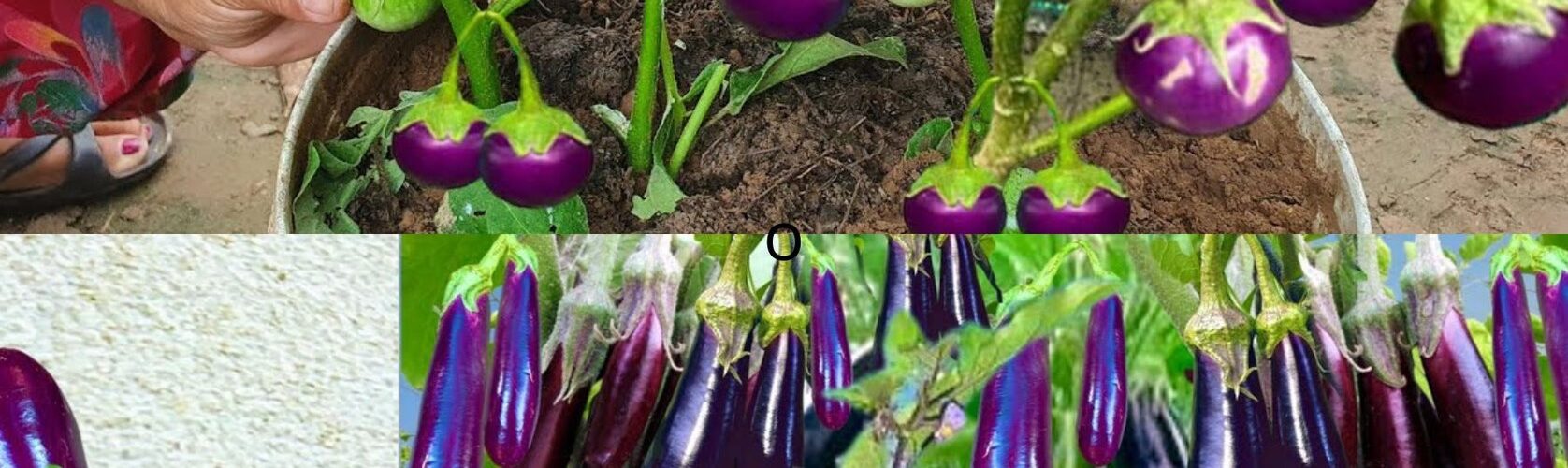
Whether you live in a hot, dry climate, during a heat wave, or are looking for ways to reduce your water consumption, these drought-tolerant vegetables are a perfect addition to your garden.
We all know that vegetables need water to grow, but what happens next when you water your garden gets complicated. You may live in a hot, dry climate where droughts are common, or you may experience heat waves every year. Or maybe you use well water and need to be careful when using a sprinkler or irrigation system regularly. Whatever the reason, choosing drought-tolerant vegetables is a great strategy when planting a water-conscious garden.
Does soil type play a role in drought conditions?
The ability of a soil to retain moisture depends on its composition. The particle size of clay, sand and silt determines the soil’s ability to retain moisture. For example, clay has a smaller particle size, which gives it a larger surface area to retain water. On the other hand, sand is a larger particle with less surface area to retain moisture. The silt falls somewhere in between with medium-sized particles. Sandy soil is more prone to drought if not amended with compost and other organic matter.
What is going on with the weather?
In terms of climate, if you live in an area that does not receive much precipitation and experiences a lot of evaporation due to higher temperatures, you may live in an area prone to drought.
If you live in an area that experiences dry periods or has drought-prone soil conditions, consider planting these ten drought-tolerant vegetables.
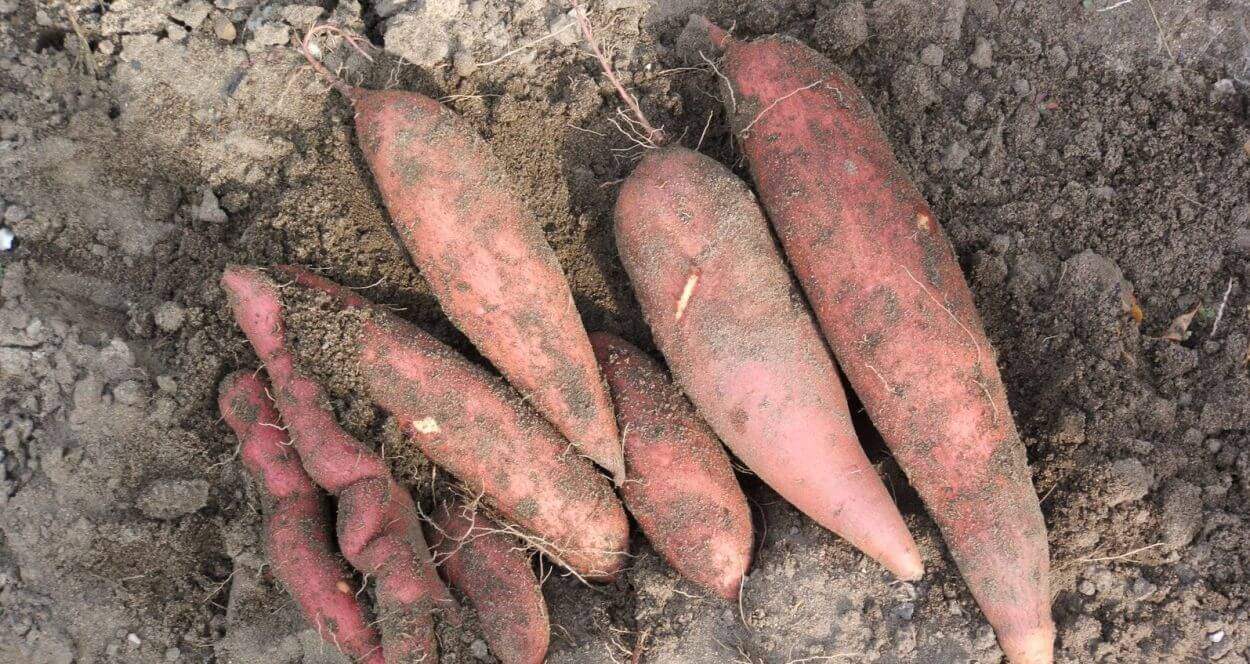
1. potato
This nutrient-dense superfood stands out for its versatility and drought tolerance. Some varieties have been bred specifically to be drought-tolerant vegetables in Africa’s sub-Saharan climate.
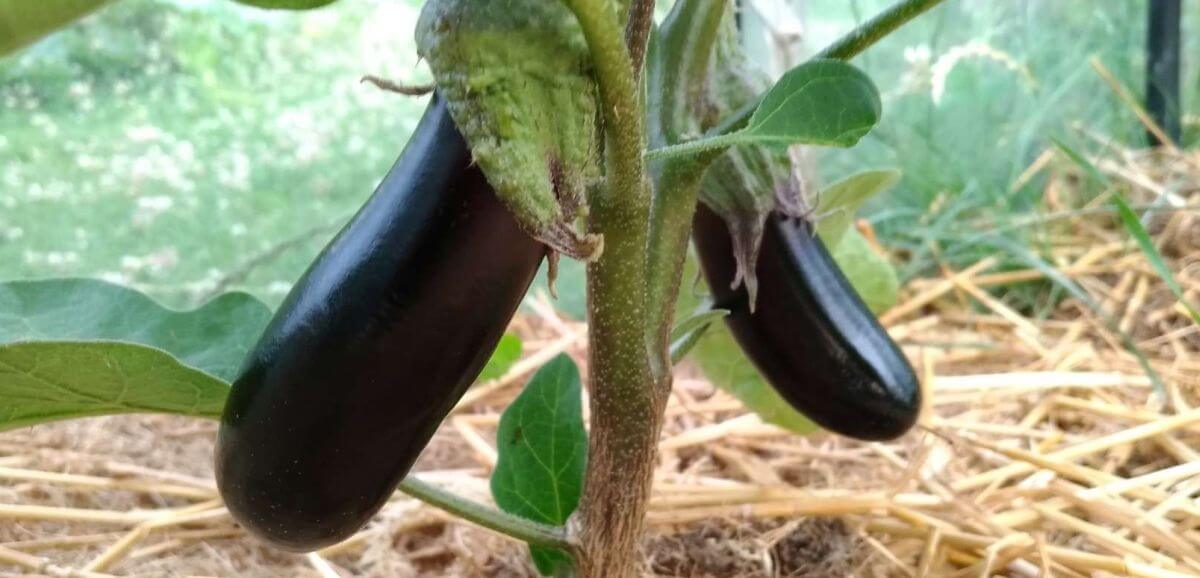
2. Eggplant
The trick to growing drought-tolerant vegetables like eggplant is to choose a variety like Ping Tung eggplant, which produces longer, thinner vegetables that require less water to produce. Other drought-tolerant varieties are Listada de Gandia and Rosa Bianca.
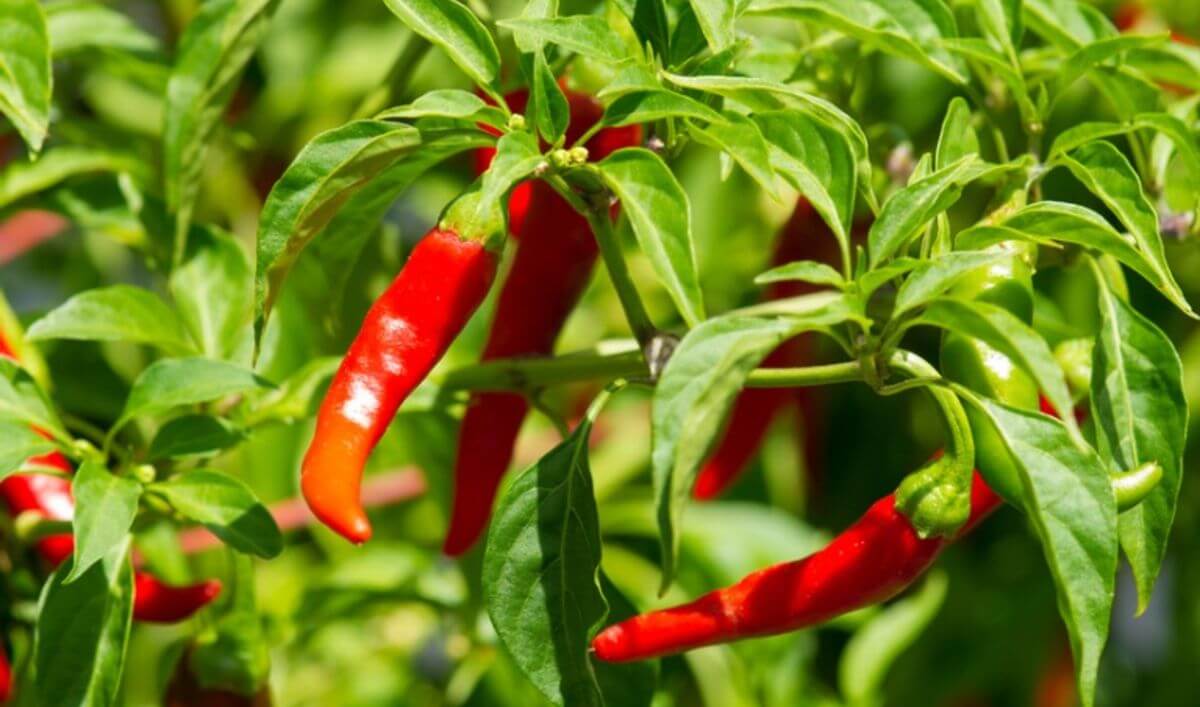
3. Peppers and chilis
Peppers, especially hot peppers, need a long, warm growing season. Hot peppers are also drought tolerant and can survive in dry conditions. It should be noted that a constant lack of moisture will result in lower yields, but using conservative irrigation methods such as drip irrigation can benefit these plants.
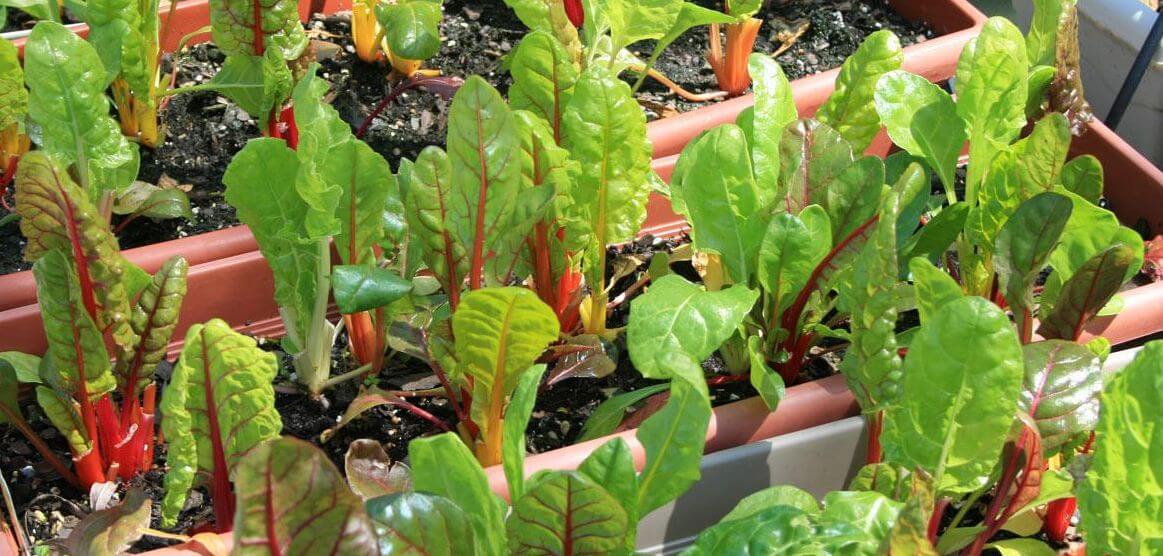
4. chard
Not only is it drought tolerant, chard is also heat tolerant. However, if chard is dried too much, it can produce a harsher flavor, so it can be one of the drought-tolerant vegetables to plant in areas with shorter drought periods.
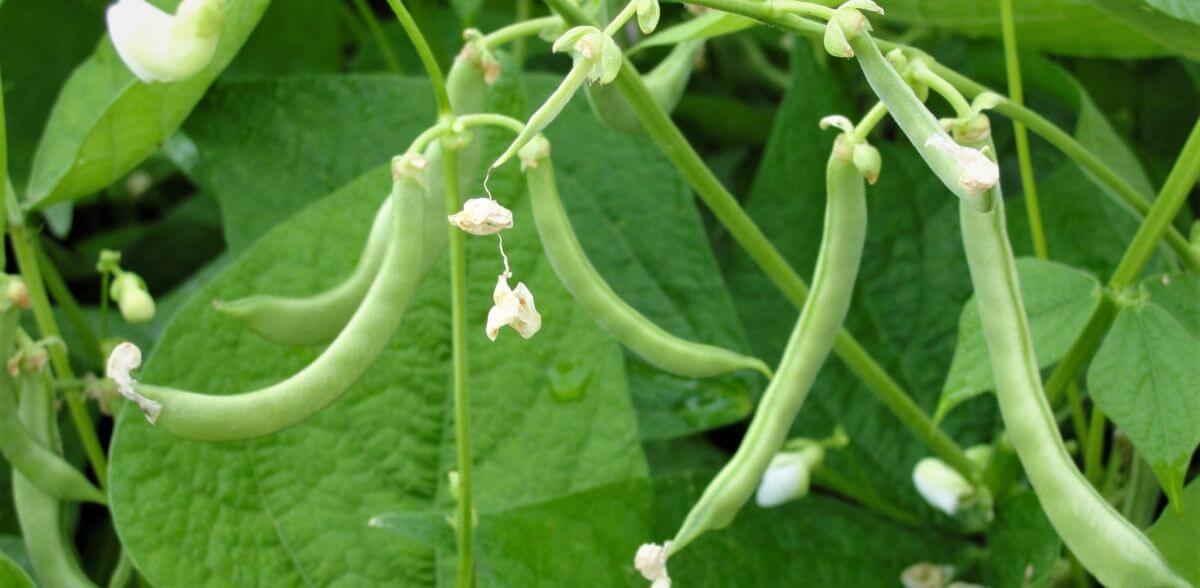
5. Green beans
Beans in general tend to be more drought tolerant. Pole beans are excellent drought-tolerant vegetables, especially varieties like rattlesnake beans that do well in sandy soils.
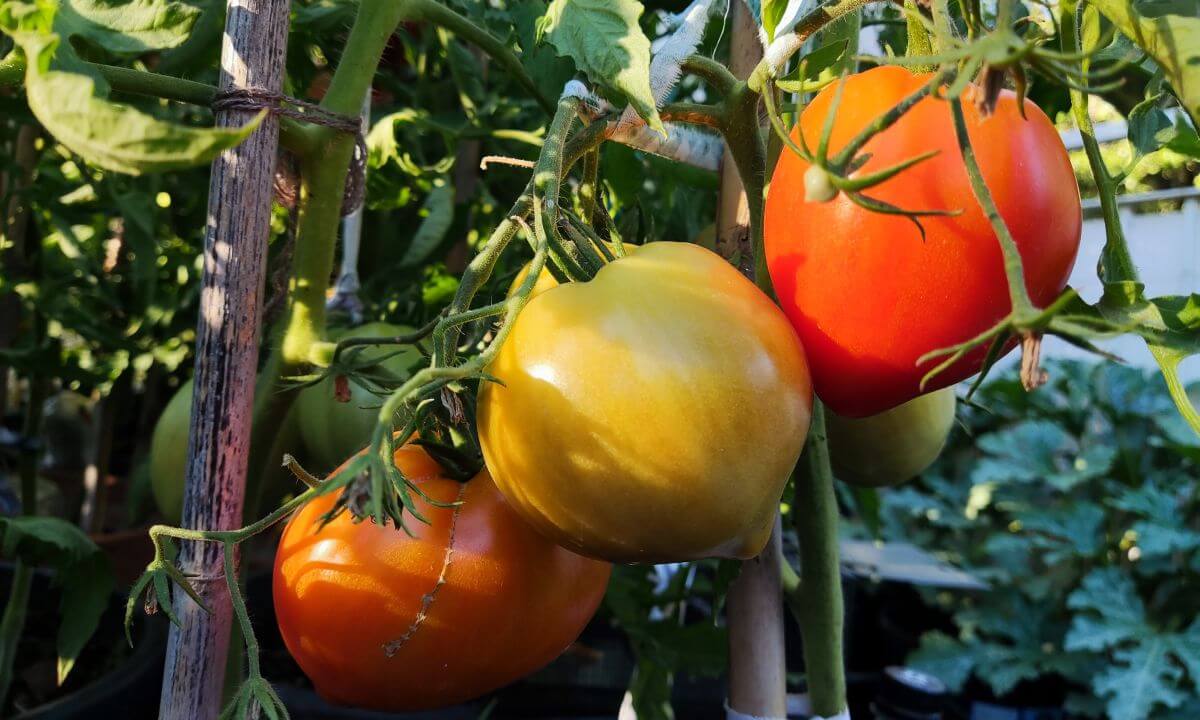
6. Tomatoes
I bet you didn’t expect to see tomatoes on a list of drought-tolerant vegetables. Believe it or not, some tomato varieties can tolerate dry periods. Small-fruited tomatoes generally grow better in drier conditions. Varieties such as Roma and Early Girl are particularly drought resistant.
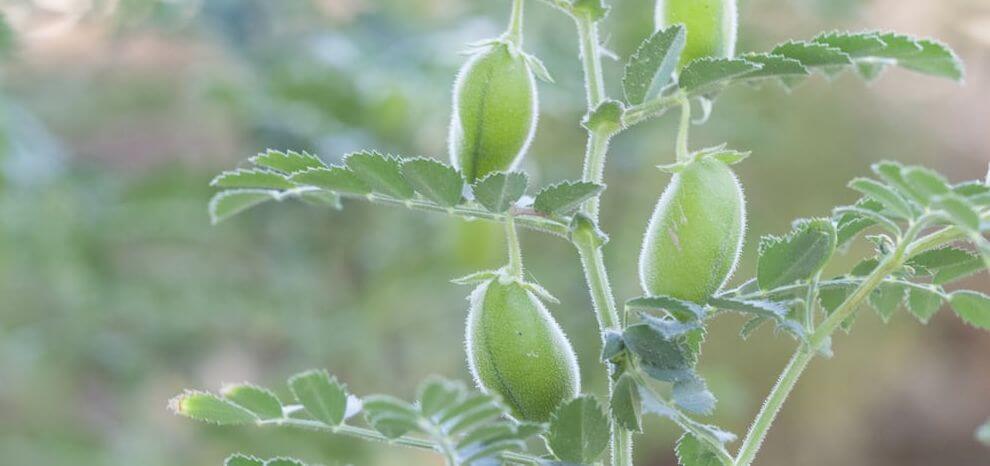
7. Chickpeas (chickpeas)
Chickpeas are regularly grown in semi-arid regions of the world, so it’s no surprise to find them on our list of drought-tolerant vegetables. Scientists are studying ways to make them even more drought-resistant, which could prove beneficial for areas of the world that experience extreme droughts.
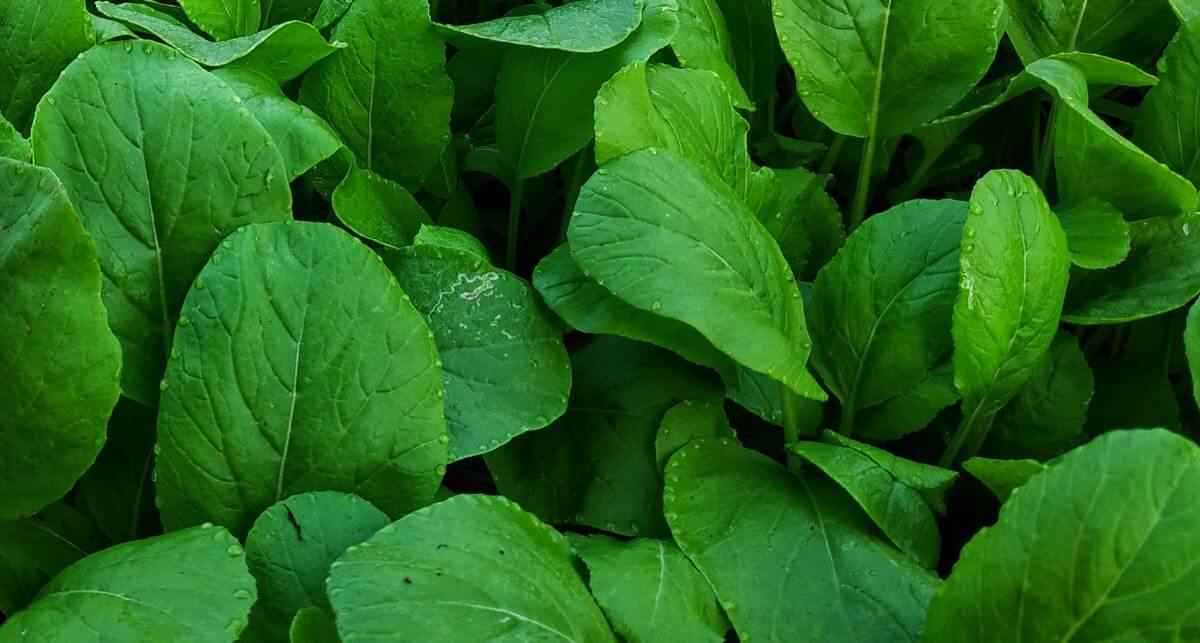
8. Mustard greens
The trick to growing drought-tolerant mustard greens is to avoid short, frequent waterings that cause the roots to become shallow. With less frequent and more thorough watering, the roots will grow deeper and, once established, can withstand periods of drought.
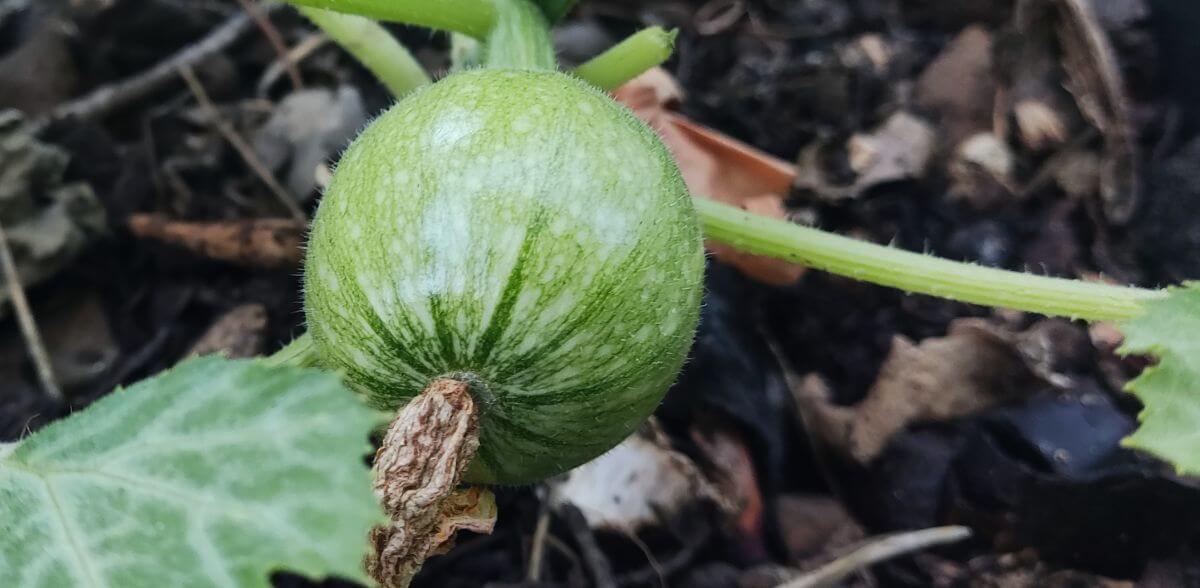
9. Zucchini
The Dark Star zucchini variety was specifically selected for its drought resistance and yield. Its roots go deep into the soil and reach the water table to compensate for any deficiency due to lack of irrigation or rain.
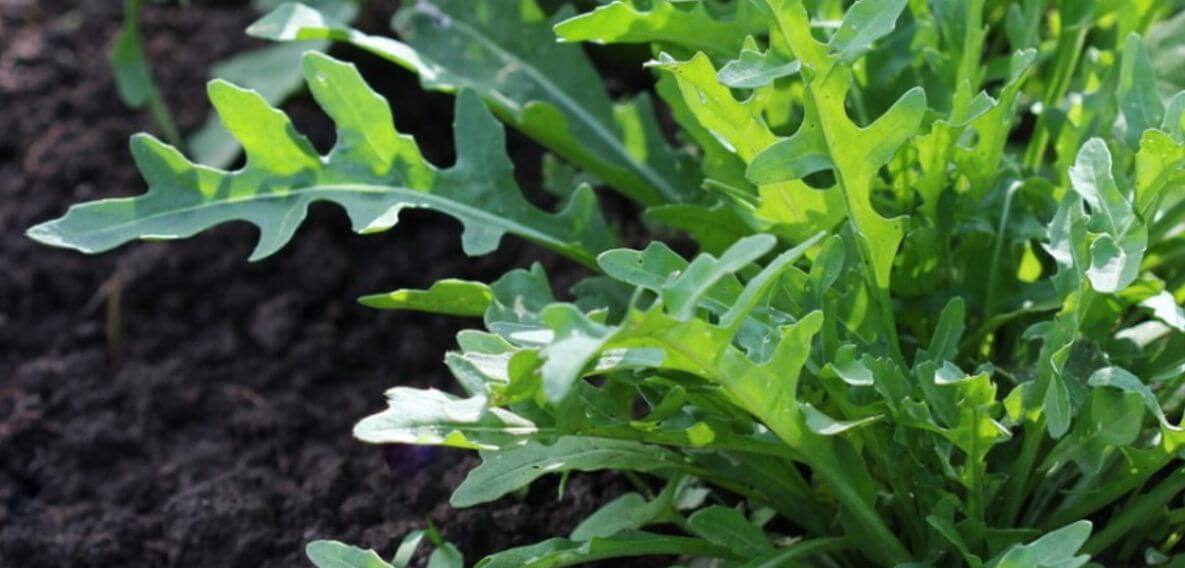
10. Arugula
Arugula is one of the best drought-tolerant vegetables because it is fairly easy to grow and can tolerate dry periods. With long periods of drought, the arugula leaves will be a little smaller and taste even spicier.
It is important to note that even drought-tolerant vegetables need a good watering when roots are establishing. So don’t skimp on your seeds and seedlings! There are many reasons to plant drought-tolerant vegetables, even if you live in a temperate climate with good soil and regular rainfall. Planting drought-tolerant vegetables helps you use less water in your garden and conserve your overall water consumption. Something we should all strive for as stewards of this planet.
Do you have any gardening tips that respect water resources? What drought-tolerant vegetables have you planted in the past and which ones will you try in the future? Let me know in the comments!