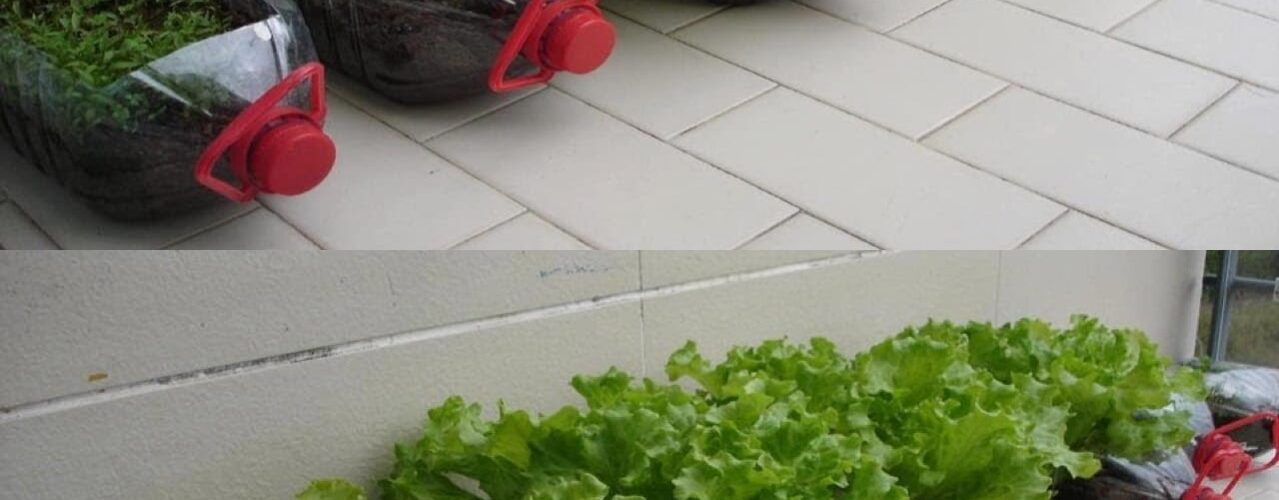
If you are new to gardening, you may feel that all plants and vegetables need a lot of sunlight to grow. Although there is some truth, not all vegetables need full sun. In fact, while most vegetables need about six hours of sunlight, many vegetables can thrive when grown in partial shade, so without much sunlight. In most cases, it can be easily assumed that vegetables grown for their leaves, stems, and shoots will do well in partial shade.
Depending on the location of your garden, you may have plots of land partially covered by tree branches or get more afternoon shade in other areas. Fortunately, there are many options to choose from if you want to grow vegetables in these shady areas. If you want to know more about these vegetables that can be grown in some shade, here are 10 vegetables that you can grow without the need for sunlight.
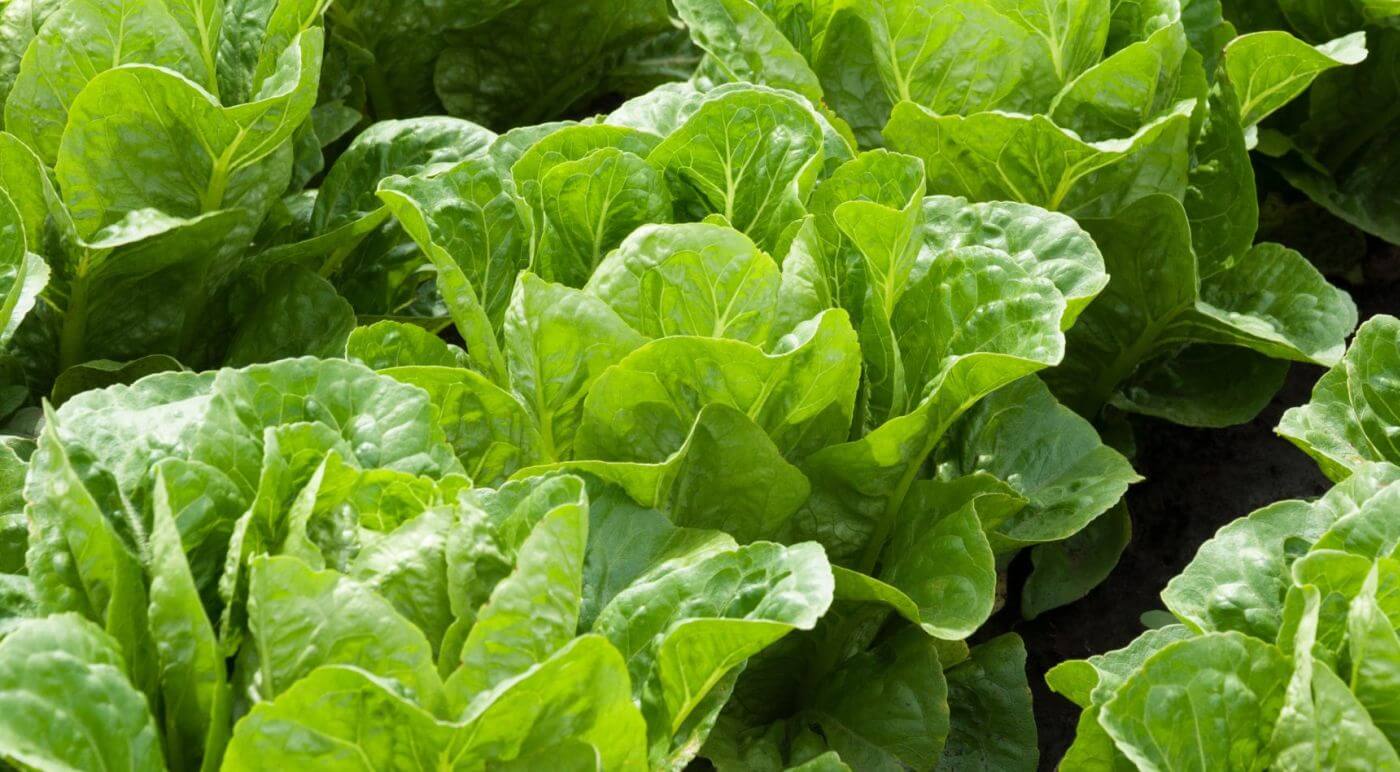
1 lettuce
Lettuce (Lactuca sativa) is known as an annual plant of the Asteraceae family. It is best known for being grown as a leafy green vegetable (often found in salads or sandwiches). It is best to plant lettuce in early spring and early fall. Many find that covering lettuce with a shade cloth or planting them in shady areas will prevent the leaves from burning. Sunburn is the worst thing that can happen when a plant like lettuce gets too much sun. Sunflowers are a great companion for lettuce, as this large flower will easily provide partial shade. Fun fact: they are both part of the Asteraceae family.
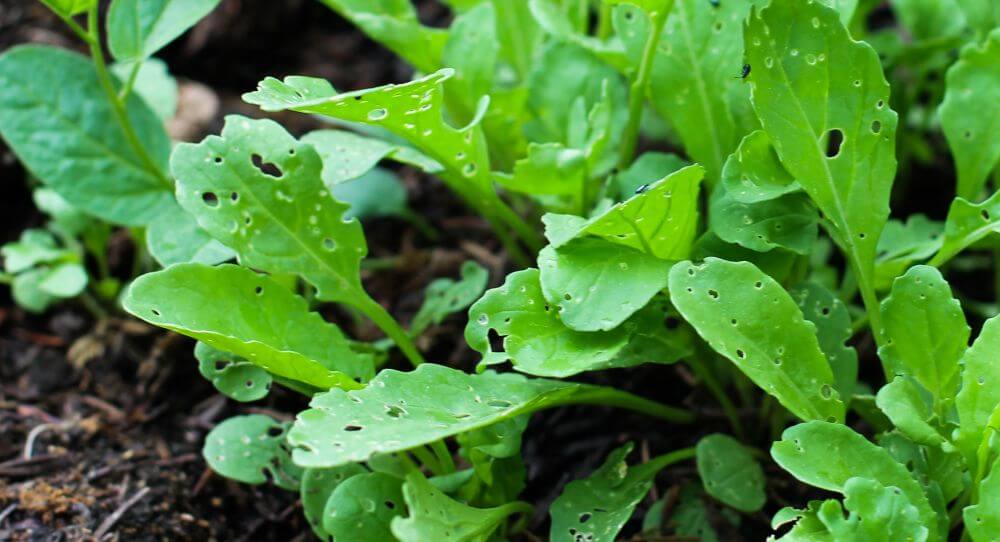
2. Arugula
Arugula (Eruca vesicaria) is an annual vegetable of the Brassicaceae family. It is known for being grown as a leafy vegetable (another salad favorite) and for its fresh but tart and bitter flavor. Arugula is best planted in early spring or late summer as it grows well in cooler temperatures. In good conditions, the rocket will push faster than expected. To ensure your arugula has the best conditions to thrive, you need to make sure it is planted in rich, well-drained soil. It can be grown in full sun, but can also grow in light shade.
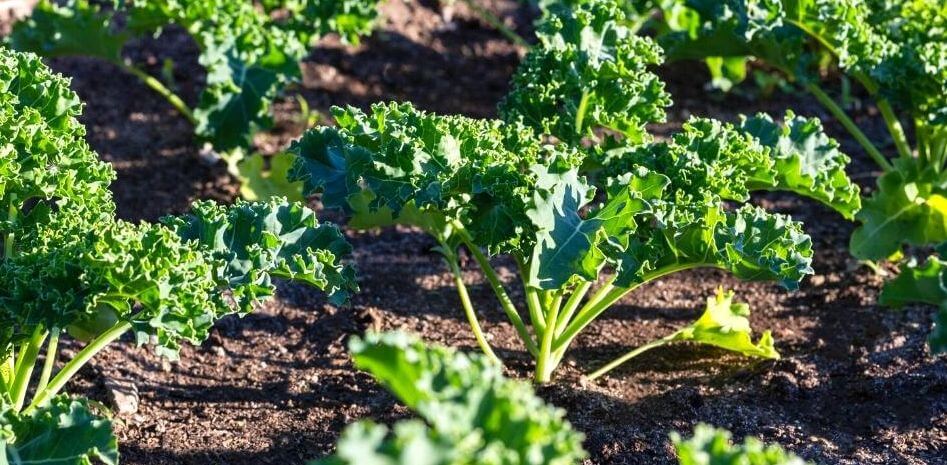
3. Kale or collard greens
Kale belongs to a group of cabbages known as Brassica oleracea. Kale is another salad green that has gained popularity in the last decade due to its highly nutritious nature. The best growing season for kale is late winter and early spring. This is because these delicious vegetables are grown in cold climates, meaning they do better when grown in colder climates. This leafy green vegetable loves wetlands and requires rich, well-drained soil. Shaded growing conditions are acceptable, especially if your soil requirements are met.
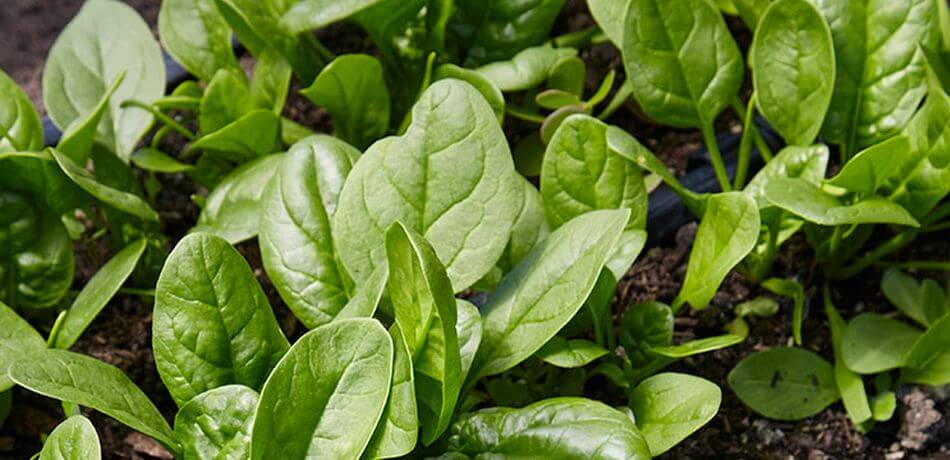
4. Spinach
As you can see, there are a variety of leafy greens that can thrive while growing without much sunlight. Spinach (Spinacia oleracea) is a flowering plant known for its rich, nutritious green leaves. Cold weather plants like spinach should be planted in late winter and early spring. Like many other cool season crops, this vegetable needs rich, well-drained soil. Partial shade areas of the garden are perfect for planting spinach because spinach does not require hours of direct sunlight.
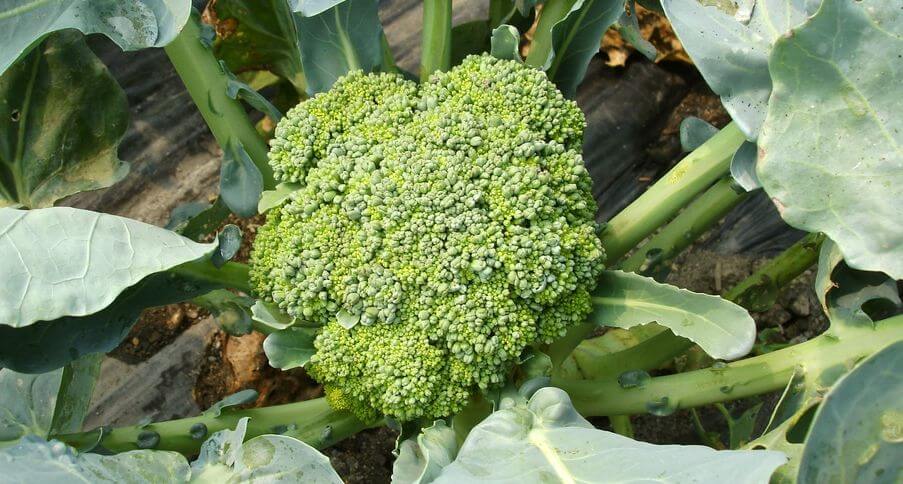
5. Broccoli
One of the best vegetables to grow in partial shade is broccoli. Broccoli (Brassica oleracea var. italica) is part of the cabbage family. These dark green edible plants are known for their large, distinct flowering head, thick stem, and high nutritional value. It is best to plant broccoli in early spring or late summer because this plant needs cool weather to mature. Partial shade vegetables like broccoli need rich but moist soil to ensure the best results as well.
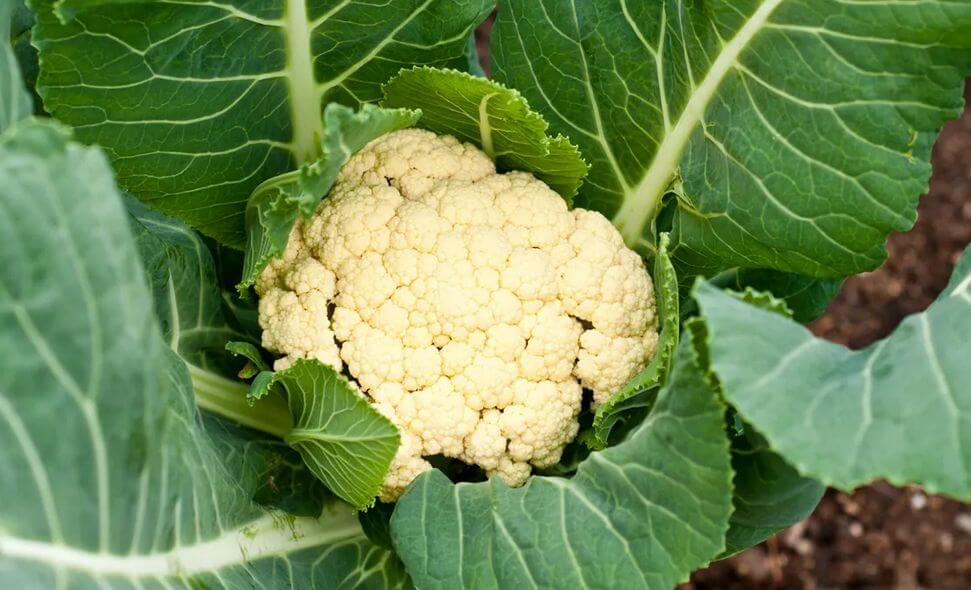
6. Cauliflower
Cauliflower is also part of the Brassica oleracea family along with broccoli, the two also plant well next to each other. Like broccoli, cauliflower is also known for its larger and more impressive flower buds. It is an annual plant known for its distinctive white color. Most varieties should be planted in early spring, such as April, as they will not do so later in the year with warm temperatures. Planting in full sun should be out of the question if the weather is too hot. This vegetable is a cool season vegetable for a reason and requires many specific conditions and attention to detail to grow smoothly.
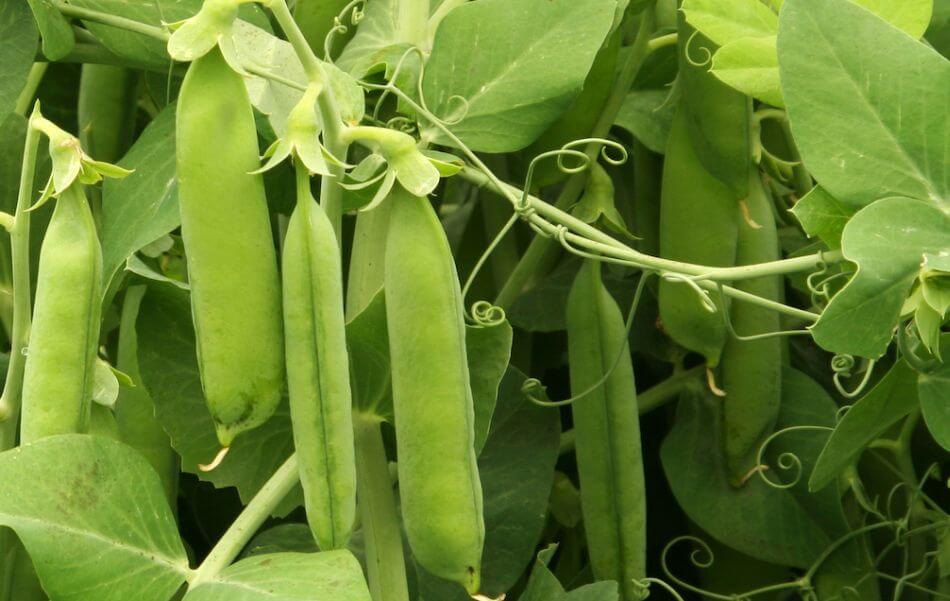
7. Peas
Peas (Pisum sativum) are annual plants known for their small, round nature, found in their pods. This is another cool season crop that is best planted in late fall or early spring, depending on location. It is essential that you do your research to get the right time in your area. You cannot grow these vegetables in too much heat or sun. Partial sun is ideal if you want to grow peas. You should also ensure that the soil is rich and retains all the moisture this plant needs for optimal progression.
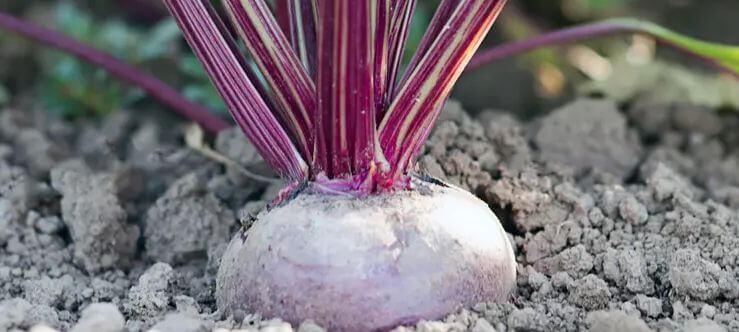
8. Beet
Beets (Beta vulgaris) are root vegetables that are one of the few of their species that can do well in partial sun. These distinctively colored vegetables are best planted in early spring and in clay soils. They are known to be an excellent source of fiber and are packed with other essential nutrients such as vitamin C, potassium, iron, etc. Fun fact: beets are related to chard and spinach!
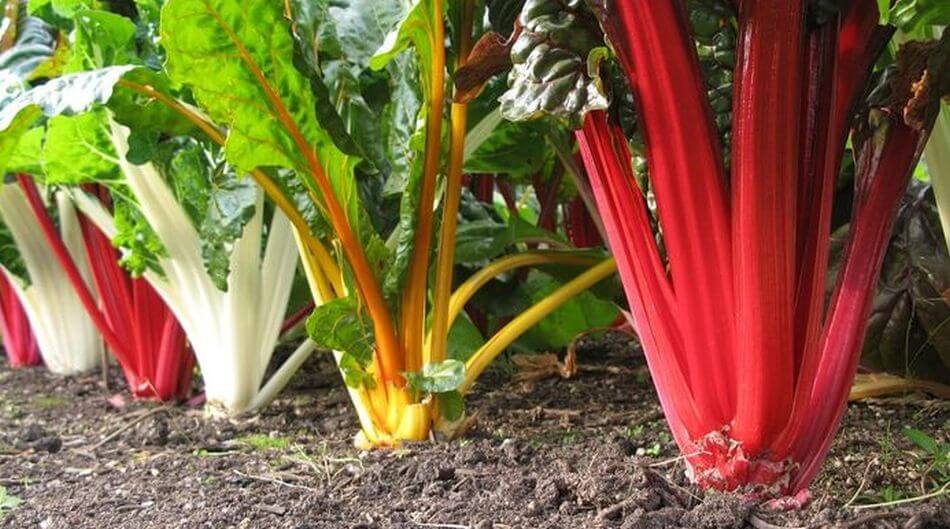
9. Swiss chard
Swiss chard (Beta vulgaris) is known for being a colorful crop whose leaves can be green and red, while the stems are often white, yellow or red. Leafy greens such as chard are often used as an ingredient in various dishes, such as salads and stir-fries. It is best to plant them in the spring, two to four weeks before the last frost date. Alternatively, you can grow it in the fall about 40 days before the first frost date in your area.
Swiss chard is not only a beautiful edible ornamental plant, but it requires relatively little maintenance. As long as it is planted in the seasons specified above, with rich, well-drained soil, you should expect to see progress. Keep in mind that it is still a good idea to give these vegetable crops plenty of sun, but they can and will tolerate shady areas as well.
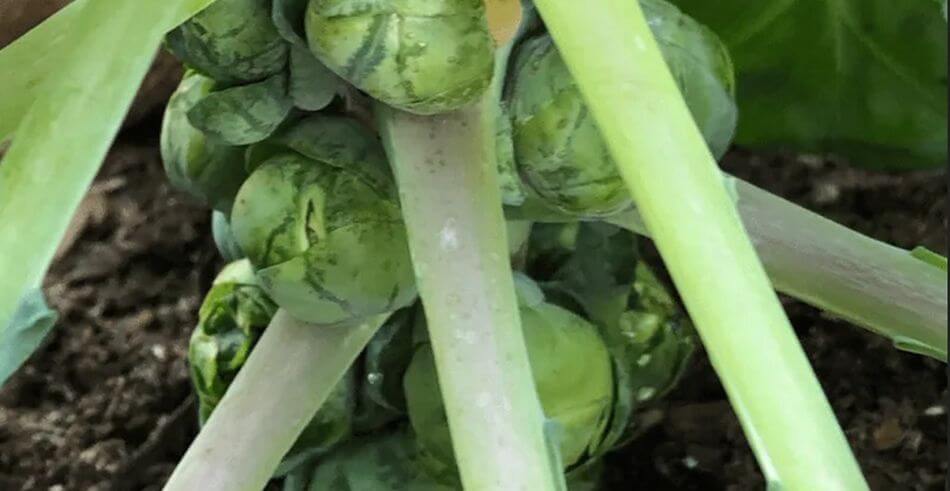
10. Brussels sprouts
Brussels sprouts are part of the Gemmifera group of cabbage cultivars known as Brassica oleracea. They are known for their edible buds and are usually very small, resembling small cabbages that can easily fit in the palm of your hand.
They are best planted in early spring or mid to late summer as they require a longer growing season (80 to 100 days). Brussels sprouts have a slower growing process than other types of vegetables, so don’t worry if you expect immediate results but don’t get them. This slow process is a good thing! Brussels sprouts do well when watered often in the heat of summer and kept cool. If you have an area that is much less sunny than others, consider this popular food crop.