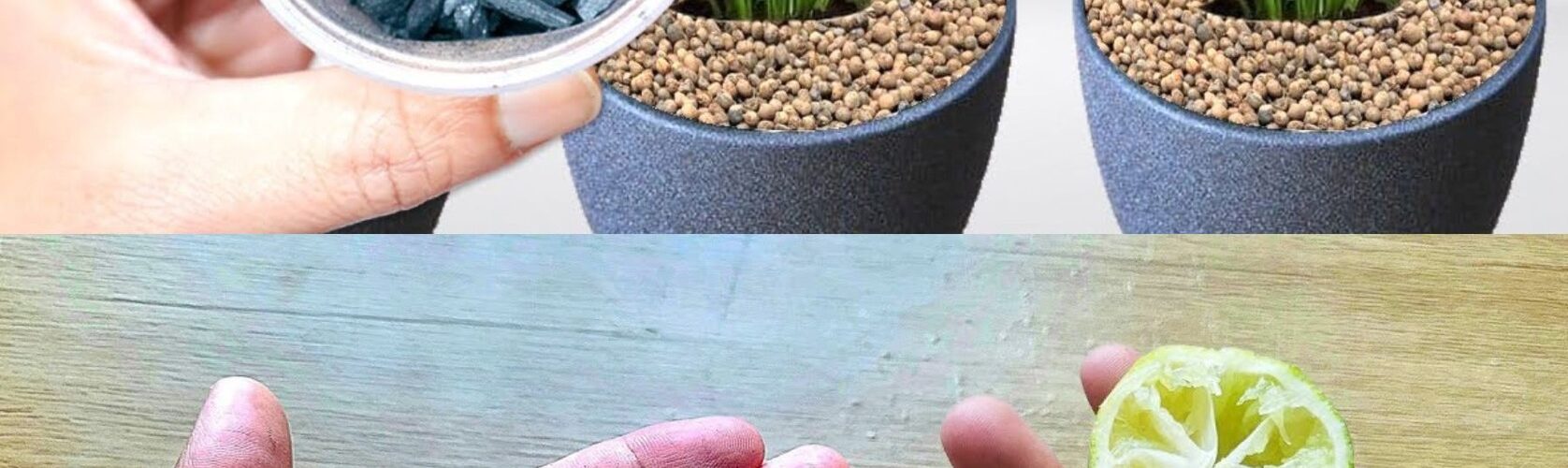
Ashes from burning wood can be recycled to care for the garden. In fact, wood ash is beneficial for the soil, but also for the plants in the garden, vegetable garden or vegetable garden. This improves the growth of your plants and maintains soil balance. Discover the 4 secrets of wood ash that you absolutely need to know.
You can recover wood ashes to reuse in the garden. In fact, they are very beneficial for the soil and plants in the garden.
What are the 4 secrets of the wood ash tree that you need to know to care for garden plants?
These are the different benefits of wood ash on your garden plants, but also in soil and compost.
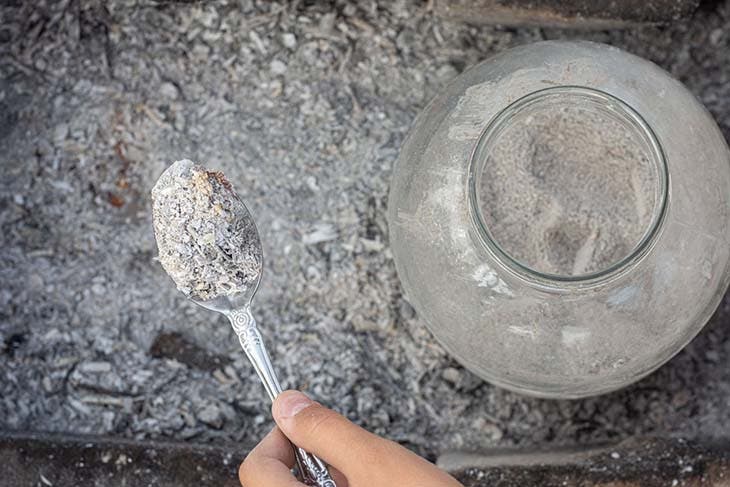
- Wood ash rebalances the pH of the compost
Compost is a natural fertilizer composed of a mixture of organic waste and mineral matter. Some waste can increase the acidity of the compost, such as citrus peels. To neutralize the acidity of the compost, it is advisable to sprinkle wood ash in small quantities. This is rich in limestone and can rebalance the pH of the compost. Of course, avoid excesses so as not to cause new imbalances or interfere with the correct aeration of the compost. Keep in mind that wood ash is also an effective natural deodorant to neutralize bad odors that are released from compost due to the fermentation of waste.
- Wood ash improves soil quality
Wood ash is effective in soil care. In fact, by neutralizing its acidity, it improves the development of the root system of plants and greatly reduces the formation of moss on the lawn. In addition to this, ash protects the soil from stagnant moisture by improving water filtration. Wood ash also has the ability to attract earthworms and microorganisms beneficial to soil health.
- Wood ash improves flowering and fruiting of plants.
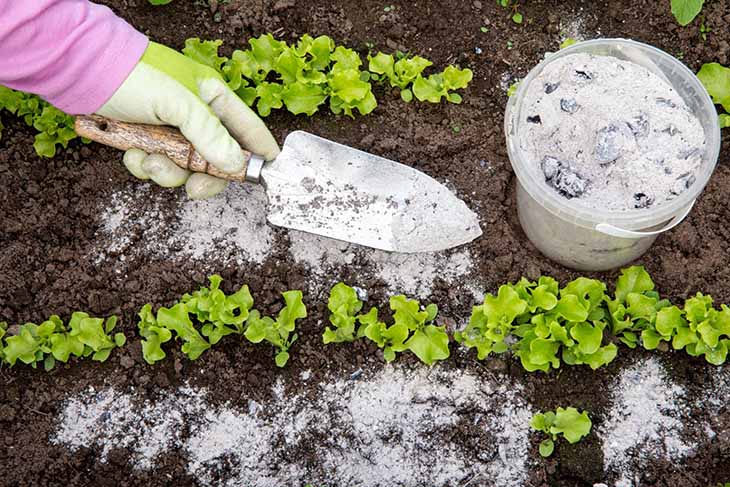
Wood ash is a fertilizer rich in minerals essential for good plant growth. This is also effective in improving the flowering and fruiting of flowering plants, fruit trees or even vegetable plants, as long as the ashes are used in small quantities. That said, spread a little wood ash on the soil to stimulate the development of bamboo and roses, but also certain plants in your garden such as cucumbers, turnips, carrots, tomatoes and eggplants. Please note that wood ash is not suitable for all plants. That said, avoid spreading ashes at the foot of acidophilic plants, that is, those that like acidity, such as rhododendron, azalea or camellia. These plants are sensitive to excess lime. Adding wood ash could discolor its foliage and cause it to turn yellow. This is called chlorosis.
- Wood ash repels certain pests
To protect young plants from snails and slugs, just spread a little wood ash around them. Repeat this operation periodically since rain and dew weaken the effect of the ashes. Note that wood ash is also a good repellent against aphids or flea beetles which particularly attack radishes and cabbage.
That said, using wood ash in the garden is good for plants. This improves their flowering and fruiting, protects them from certain parasites, in addition to balancing the acidity of the soil and compost.