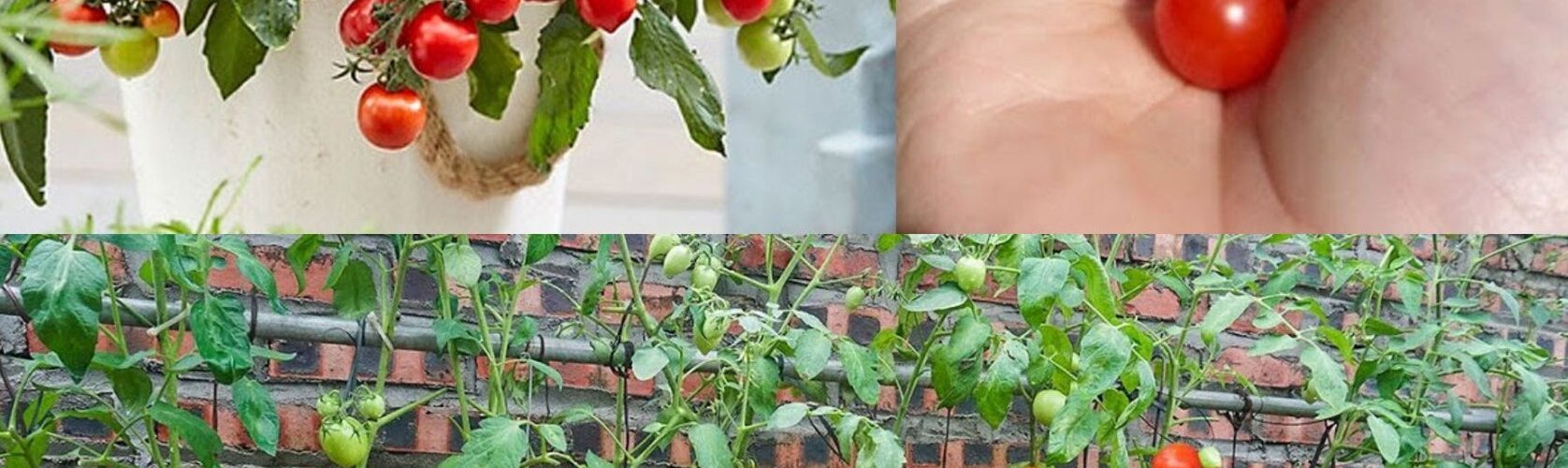
Growing tomatoes is often the impetus for starting a garden, and every tomato lover dreams of growing the best tomato: firm but juicy, sweet but tart, aromatic and blemish-free.
Unfortunately, there are few vegetables that are prone to more problems than tomatoes. The trick to growing great-tasting tomatoes is choosing the best varieties, starting the plants off right, and controlling problems before they happen. Start here with some proven tomato growing tips to ensure your tomato bragging rights this year.
About tomatoes
There’s a reason tomatoes are the #1 home garden vegetable. The taste of a tomato fresh off the vine is incomparable to the typical grocery store type.
Tomatoes are warm weather, sun-loving vegetables!
- In northern regions, tomato plants will need at least 6 hours of sunlight per day; 8 to 10 hours are preferred.
- In southern regions, light afternoon shade (natural or applied, for example, row covers) will help tomatoes survive and thrive.
How to grow tomatoes from seeds?
Sow your tomato seeds in March or April, about 6 to 8 weeks before the last frost of winter, or earlier if you are growing your tomatoes in a greenhouse. Sprinkle the seed in a thin layer over good quality seed compost. Cover with 1.5mm of compost and water lightly with a fine rose watering can.
If you are only growing a few plants, sow two seeds in a 7.5cm (3″) pot. Keep the compost moist, but be careful not to overwater, as wet conditions can encourage damping-off disease and other mold problems. At a temperature of 21 degrees Celsius, tomato seeds usually germinate in 7 to 14 days. After germination, remove the smaller plant.
Pot tomato seedlings as soon as they are large enough to handle. Hold the plants by the leaves, being careful not to touch the stems, and transplant them into 3-inch (7.5 cm) pots. Protect plants from frost, cold winds and drafts that could kill them.
How much water do tomato plants need?
Tomato plants need a lot of water and food to produce a bountiful harvest. For best results, water little and often. Some gardeners leave a few full watering cans to warm in their greenhouse so that the tap or cistern water is not too cold.
Some people claim that watering at exactly the same time every day makes a difference in the quality of the crop! Feed your tomatoes a general liquid feed until the first clump has formed, then alternate with a high potassium feed to encourage more flowers and fruit.
How to harvest and store tomatoes
- As tomatoes begin to ripen, their color changes from a vibrant medium green to a lighter shade, with a slight pink or yellow blush. These “breakers,” or ripe green tomatoes, can be chopped into sauces, pickled, or fried into a crunchy appetizer. However, tomato flavors become much more complex as the fruits ripen, so you have good reason to wait. The exact signs of ripeness vary by variety, but in general, perfectly ripe tomatoes show deep color and still feel firm when gently squeezed.
- Store picked tomatoes at room temperature indoors or in a shady location outdoors. Never refrigerate tomatoes, because temperatures below 55° cause the precious flavor compounds to break down.