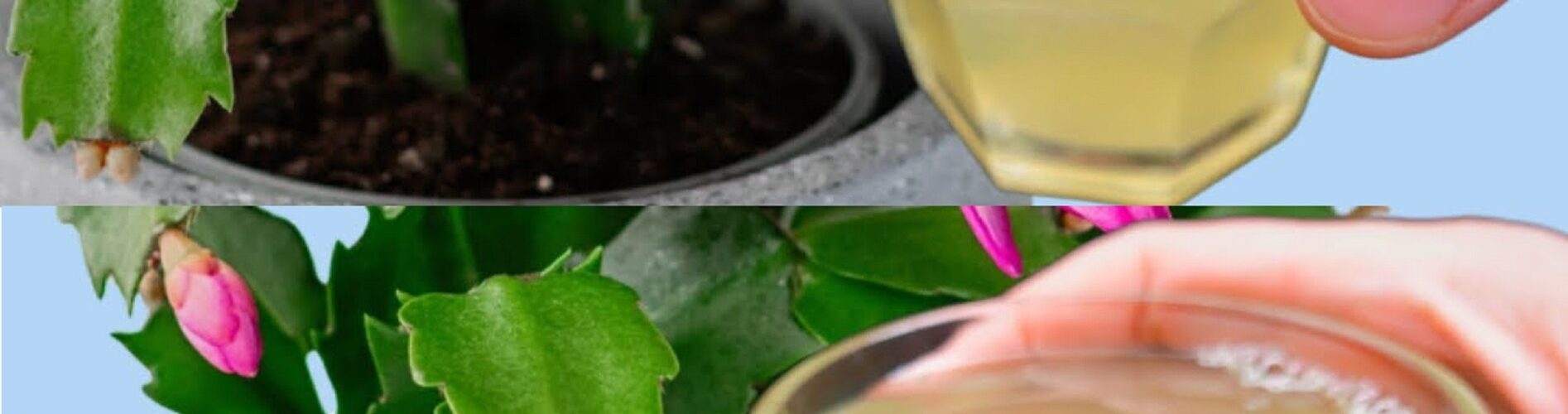
Plant irrigation is a fundamental parameter. Excess water, as well as lack of humidity, can be fatal for plants. However, many people never manage to find the right fit and often repeat the same mistakes. To prevent your plants from wilting prematurely, it is important to take into account several factors: climate, light, soil, type of plant and its water needs. Knowing that in winter the frequency of watering should decrease, here are some tips to follow.
Watering in winter: the golden rules
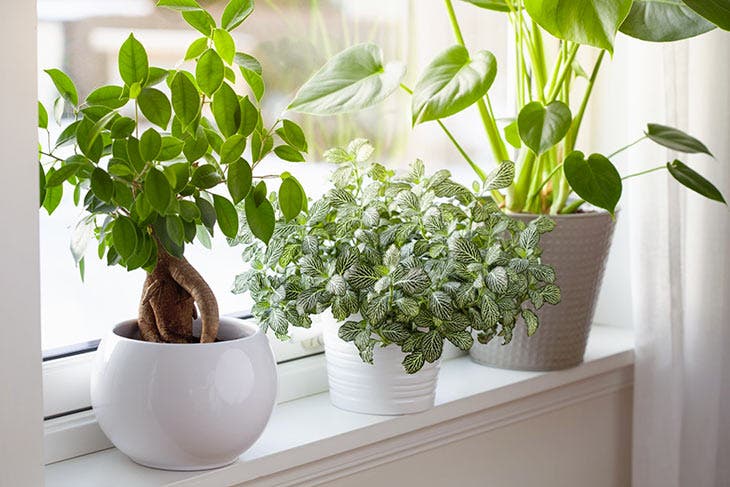
Water is essential for the survival of plants: it not only keeps them hydrated, but also promotes good nutrient absorption. All plants need water. Except the dosage varies from species to species. Therefore, it is important to have as much information as possible about each plant to determine all of its needs. However, most of the time, watering indoor plants is not well controlled. Some venture to flood their flowers according to their wishes, others establish rituals by choosing a specific time to spray their plants. No, there is no specific time to do it, experts say.
Naturally, the frequency of watering varies with the seasons. Note, in particular, that in the winter period, indoor plants go into vegetative rest: it usually begins in late autumn or early winter. This is a restoration period after the hot season in which your plants have received enough resources for abundant flowering. Keep in mind that during this resting phase they consume less energy and prepare to give birth to new spring shoots. Therefore, each plant has its own preferences and needs when it comes to watering. Furthermore, to keep them healthy and beautiful, it is absolutely necessary to take into account all the aspects that will keep them healthy.
During this vegetative dormancy phase, your plants do not need much water, unless they flower precisely during this period. Watering should be done once every two weeks for some and even not at all for others.
Here are the watering frequencies for the most popular houseplants:
- Begonias: do not water them in winter.
- Cactus: you can water it once every three weeks, in small quantities.
- Azaleas, ivy, geraniums or eucalyptus: water very rarely or not at all.
- Ficus, dracaena and other tropical plants: water twice a week maximum.
- Orchids : water them once every two weeks, preferably in the morning, with water at room temperature.
Factors to take into account before watering
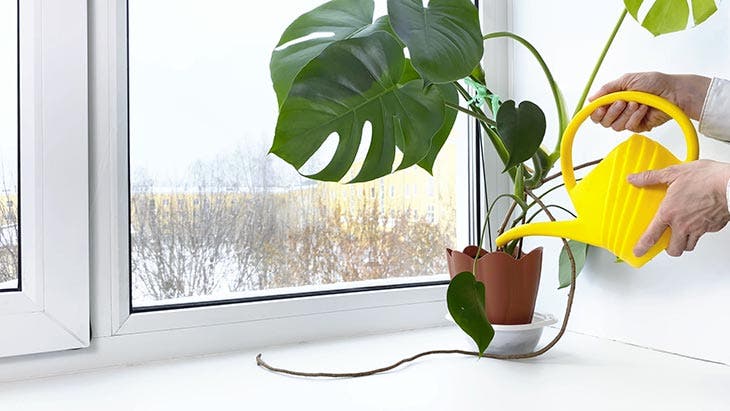
- Type of plant: As noted above, the amount of water needed varies depending on the species. Some plants like humidity and others prefer drought. So be sure to identify the water needs of each of your plants. This way you can have a more precise idea of the watering frequency.
- Always check the dryness of the soil: to do this, use a wooden stick. If it slides easily on the floor, moisture is still present. If it sticks to the surface, the soil is not hydrated. Therefore, watering must be carried out (depending on the type of plant, of course).
- Test the weight of the pot: This is another effective way to check how much water is left in the soil. If it is dry, it is necessarily lighter than moist soil. Therefore, you will notice a significant difference in weight between a watered plant and a dried plant.
- Another tip for checking the soil: Use your fingertips to feel the potting soil in the pot through the drainage holes. This will allow you to evaluate the degree of dryness of the soil to determine whether or not it is necessary to water.