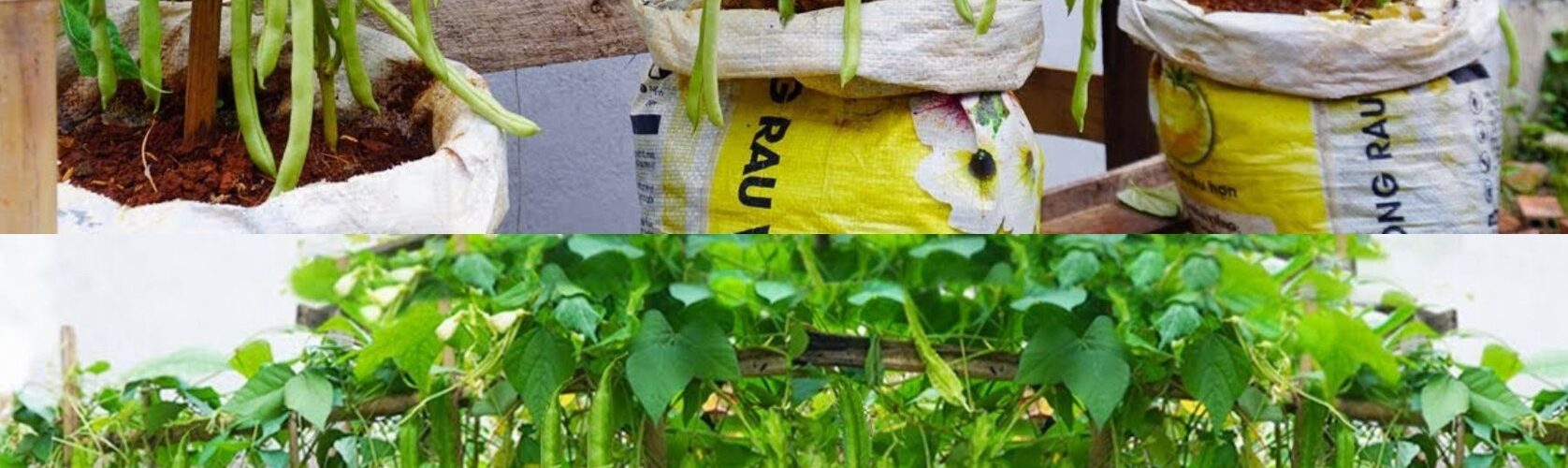
Often referred to simply as kidney beans or green beans, the common garden bean can be stringless and in colors other than green. But it is the “green” bean that everyone recognizes as one of the most commonly prepared vegetables. Hot, cold, even raw, beans are versatile in the kitchen and very prolific plants in the garden. Green beans are also easy to grow, so today I’ll show you some tips for growing these tasty beans in your garden.
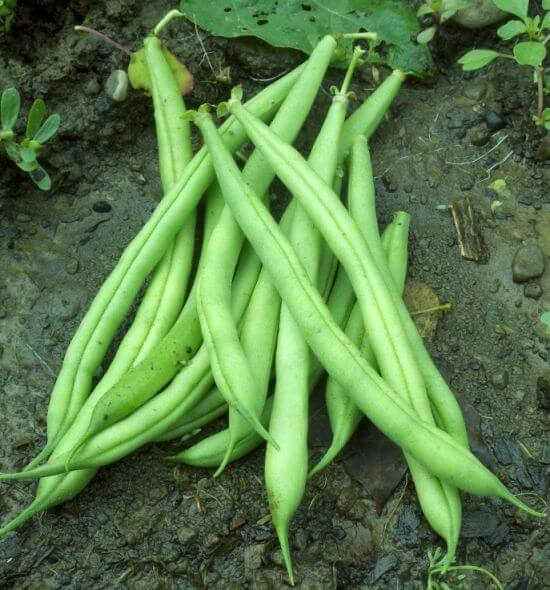
Green bean plants are varieties that grow tall and need support, or dwarf or low-growing bean varieties. Most varieties are green, but you will also find purple, red, yellow, and striped varieties. Green beans are several centimeters long and round or flattened. They are picked young and tender, before the seeds inside have fully developed. The most popular varieties were bred to have stringless pods, but many gardeners prefer the taste of old-school varieties.
Green beans, like most vegetables in our gardens, are grown as annuals.
What exposure to choose for green beans:
You will get the best yield if you plant your beans in full sun. Beans tend to stop flowering in the extreme heat of summer and partial shade may seem like a good idea, but watering them properly should be enough for them.
Full sun also helps keep plants dry and less susceptible to disease.
Tips for growing green beans
Plant your beans every 2 weeks, this will allow you to harvest longer during the season.
Beans require moderately rich soil with a slightly acidic pH of around 6.0 to 6.2.
Because they are legumes, they can produce their own nitrogen and do not require additional fertilizer, but you should always improve the soil with organic matter.
Sow bean seeds:
Beans are usually sown directly into the garden, although small bean plants can be transplanted. The most important point about growing green beans is not to plant the seeds too early. They will dry in cool, moist soil. To get started sooner, you can drop black plastic, warm the soil, or use an inoculant. So plant after all danger of frost has passed.
Plant the seeds 3cm deep and be sure to water the soil immediately after planting and regularly until they sprout.
Beans can be planted in a single row or by scattering seeds in wide rows with about 10-15cm spacing between plants.
Plant care:
Beans may require some initial help lifting them.
Water bean plants well or they will stop flowering. Beans have shallow roots and mulch will help keep them cool and moist.
Although beans can feed themselves, beans produce over such a long period of time that they will benefit from feeding compost or composted manure midway through their growing season.
Harvest :
Again, this varies depending on the variety of bean. Generally, it takes a maximum of 60 days. Check the pod to be sure of your choice.
Bean harvest
Harvesting green beans is an ongoing task and the longer you wait, the more beans will be in your place. You can start harvesting any time after the beans form, but gardeners usually wait until the beans begin to firm up and can be broken open, but before you can see the seeds inside the pod. They are usually as thick as a pencil, at this point.
Don’t wait too long, because the beans may become too large and tough overnight. Harvest by gently pulling on each bean.
Green bean pests and diseases
Many insects love beans as much as you do, including beetles.
Fungal diseases can be a problem in humid conditions.